Jharkhand CMO: New generation must close tribal development gap
Synopsis
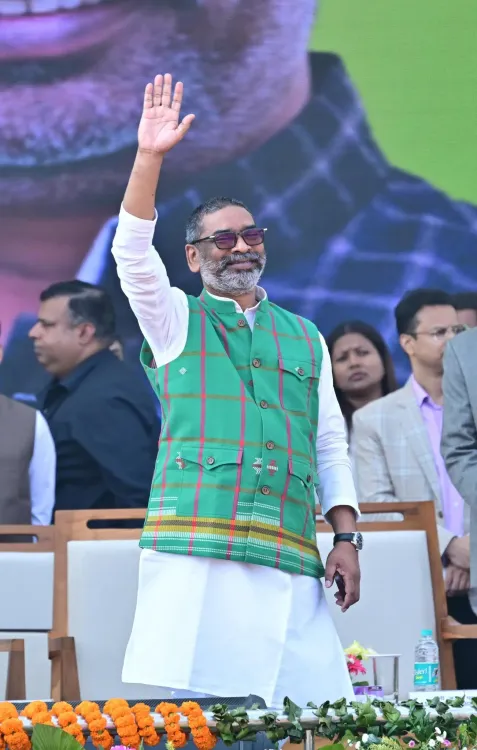
The Jharkhand Chief Minister's Office on 28 November 2026 shared Hemant Soren's remark that the mineral-rich state enriched India while Adivasi and original inhabitants lagged in rights and development, urging the new generation to close that gap.
Key Takeaways
The Chief Minister's Office of Jharkhand on Saturday, 28 November 2026, shared a statement attributed to Chief Minister Hemant Soren.
Soren said Jharkhand enriched the country and the world through mineral wealth, but Adivasi and original inhabitants lagged in rights and development.
He called on the new generation to remove that backwardness and place Jharkhand among leading states.
Jharkhand was carved from Bihar in November 2000 after agitation over tribal aspiration and underdevelopment in the Chota Nagpur region.
The Forest Rights Act 2006 sought to restore land and resource rights to Scheduled Tribes and other traditional forest dwellers, including in Jharkhand.
No new royalty formula, tribal sub-plan or legislation was announced in the post itself.
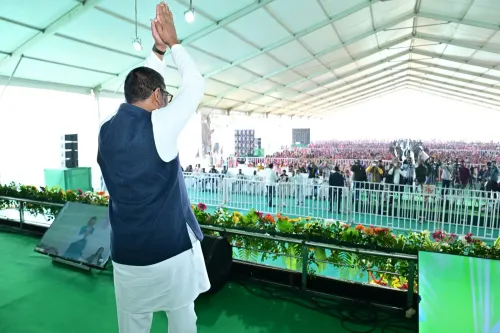
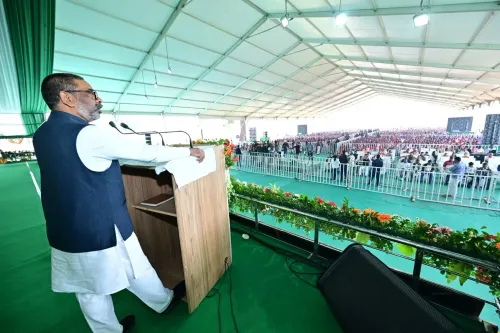
The Chief Minister's Office of Jharkhand on Saturday, 28 November 2026, put a hard paradox at the centre of the state's politics. Jharkhand has enriched India and the world with coal, iron ore and other minerals, Chief Minister Hemant Soren said, yet the state's Adivasi and original inhabitants have stayed behind in rights and in the race for development. The new generation, he argued, must now resolve to close that lag and stand the state among India's leaders.
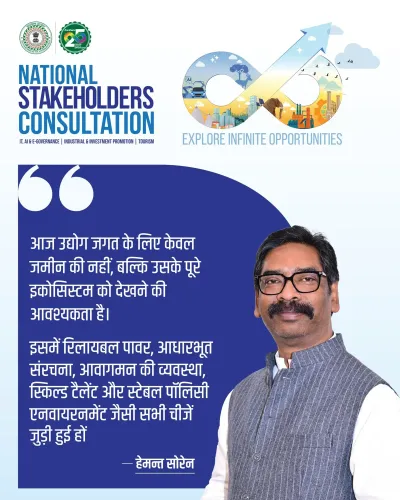
The CMO account quoted Soren in Hindi. Jharkhand had made the country and the world prosperous through mineral wealth, he said, but tribals and original inhabitants — Adivasi aur moolvasi — had unfortunately lagged in hak-adhikar (rights) and development. 'Now the new generation must take a resolve to remove this backwardness and place Jharkhand among the leading states,' the post attributed to Hemant Soren read.
A mineral powerhouse that left its first peoples behind
The tension is as old as the state itself. Carved from Bihar in November 2000 after decades of agitation in the Chota Nagpur plateau, Jharkhand was meant to answer tribal aspiration and chronic underdevelopment. It also holds major reserves of coal and iron ore that feed power plants and steel mills across India.
Eastern mineral belts have long shown the same split: high economic contribution from mining, persistent human-development gaps for local tribal communities, and friction over displacement, consent and revenue sharing. Soren's line — wealth extracted, rights deferred — restates that split without new numbers or a new scheme.
Statehood, forest rights and an unfinished bargain
The Jharkhand Mukti Morcha, the regional party Soren leads, grew from the statehood movement and still organises around Adivasi and regional claims. The Forest Rights Act 2006 later sought to restore land and forest resource rights to Scheduled Tribes and other traditional forest dwellers, including in Jharkhand. How those titles are recognised, and how mining projects treat local consent, remains contested ground.
This post did not unveil a royalty formula or a fresh tribal sub-plan. It issued a political charge: treat historical backwardness as a task for the young, not an inheritance.
Royalty, tribal sub-plans and Ranchi's next tests
The practical tests sit in Ranchi. State-level decisions on mineral royalty distribution, updates to tribal sub-plans, and any legislative move on resource rights in coming assembly sessions will show whether the resolve becomes policy. Those instruments, not the phrasing of a Saturday post, will decide if villages around the mines share the returns the rest of the country already draws from Jharkhand's pits.
Jharkhand was created so that the people who lived on the ore would not remain last in line. Twenty-six years on, the CMO is still asking a new generation to finish that work. The pits will keep yielding. The open question is who finally rises with them.
Point of View
Soren keeps the grievance politically alive without tying himself to a fiscal or legislative deadline. The test will be whether royalty sharing, tribal sub-plans and land-rights enforcement actually move in the next assembly cycle.
NationPress
28 Nov 2026
Frequently Asked Questions
What did Hemant Soren say about Jharkhand's mineral wealth?
He said Jharkhand has enriched the country and the world through mineral resources, but the state's tribals and original inhabitants have lagged in rights and development. The Chief Minister's Office of Jharkhand shared that remark on 28 November 2026, adding that a new generation must resolve to close the gap.
Why was Jharkhand created as a separate state?
Jharkhand was carved out of Bihar in November 2000 after decades of agitation in the Chota Nagpur region. The demand was meant to address underdevelopment and tribal aspirations in a mineral-rich belt.
Who are the Adivasi and moolvasi communities Soren referred to?
Adivasi refers to Scheduled Tribe communities, and moolvasi to original or indigenous inhabitants of the region. Soren said these groups have remained behind in rights and in the race for development despite Jharkhand's mineral contribution.
What is the Forest Rights Act 2006 and how does it relate to Jharkhand?
The Forest Rights Act 2006 sought to restore land and forest resource rights to Scheduled Tribes and other traditional forest dwellers. Jharkhand is one of the states where recognition of those rights sits alongside mining, displacement and local-consent disputes.
Did the Jharkhand CMO announce a new scheme with this post?
No. The post relayed Soren's political charge that the new generation must end historical backwardness. Watchers will look instead to later moves on mineral royalty distribution, tribal sub-plans and resource-rights legislation.