Jharkhand CMO: State earned by struggle, not charity
Synopsis
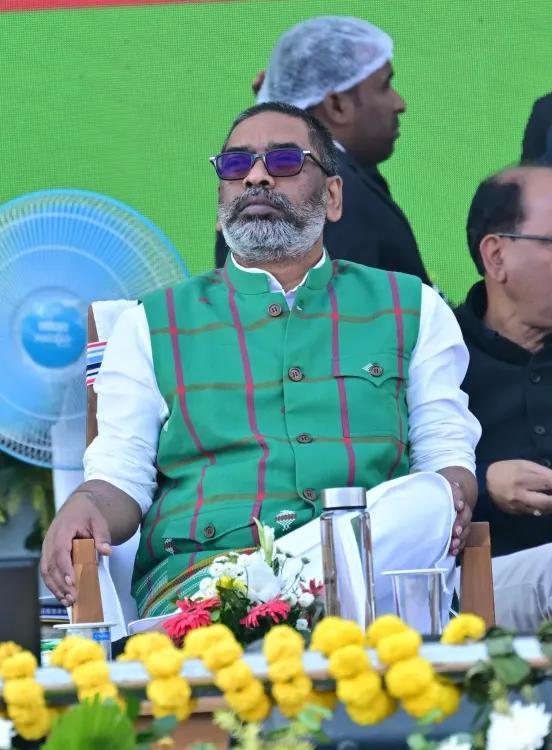
The Jharkhand CMO on 28 November 2026 quoted CM Hemant Soren on youth potential in sports, arts, culture and education, and on an Abua government working with honest thinking. Soren said the state was nourished by blood and sweat, not received as alms, and is capable of every legal and political struggle for its rights.
Key Takeaways
The Chief Minister's Office of Jharkhand posted Hemant Soren's remarks on 28 November 2026 .
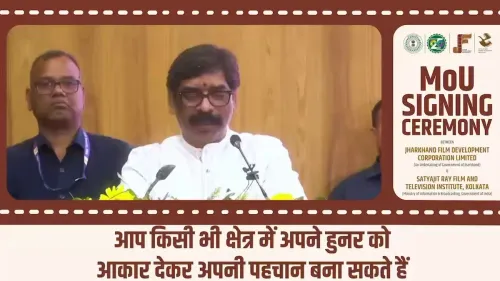
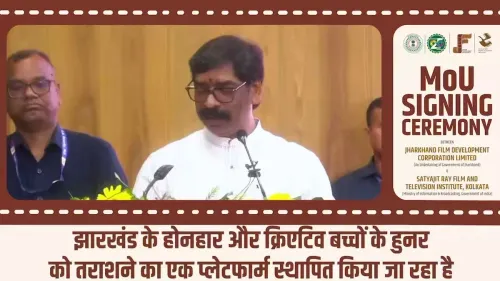
Soren said youth have immense potential in sports, arts, culture and education.
He said the Abua government is working continuously with honest thinking.
He said Jharkhand was nourished with blood and sweat, not received as alms.
He said the state is capable of every legal and political struggle for its rights.
Jharkhand was formed in November 2000 ; Soren is CM and JMM national president.
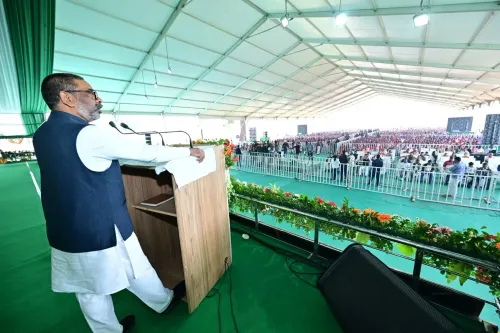
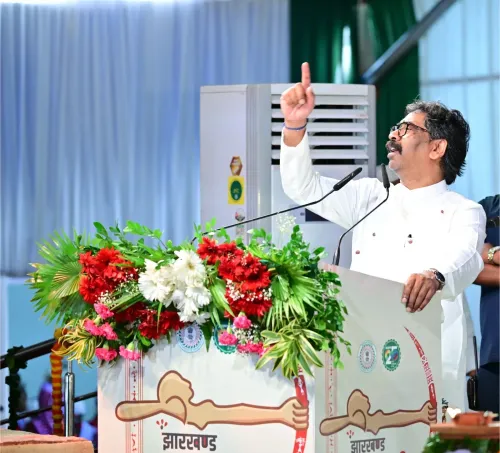
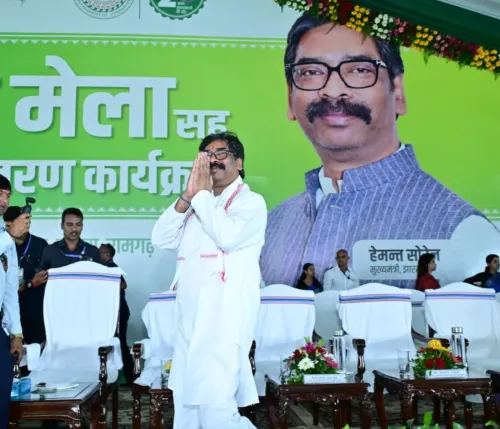
Blood and sweat, not alms. That was the line the Chief Minister's Office of Jharkhand put on the record on Saturday, 28 November 2026, quoting Chief Minister Hemant Soren as he tied youth potential in sport, art, culture and education to a harder claim: the state will fight, legally and politically, for every right it asserts.
The CMO quoted Soren in Hindi. Youth have immense potential in sports, arts, culture and education, he said. With honest thinking, the Abua government is working continuously. Then the historical turn. Yeh rajya khoon-paseene se seencha gaya hai, bheekh mein nahi mila hai (this state has been nourished with blood and sweat, it was not received as alms). And Jharkhand, he added, is capable of every legal and political struggle for its rights.
Youth named in sport, art and classrooms
The first half of the message is a development pitch aimed at the young. Four fields — sport, art, culture, education — are listed as the space where Jharkhand's next generation can expand. The CMO tied that work to what it called the Abua government, the branding Soren's administration uses for its own tenure, and to honest thinking as the method.
No scheme, budget line or target was named in the post. In this political grammar, such lines are usually read as a cue to watch the actual rollout of state youth programmes in those same domains.
The blood-and-sweat origin story
Jharkhand was formed as a separate state in November 2000 after a prolonged agitation for tribal self-governance and a greater say over land and minerals. That history is not colour in Ranchi politics. It is the founding claim the Jharkhand Mukti Morcha still campaigns on.
Soren, who is Chief Minister and JMM national president, compressed that lineage into one image: blood and sweat, not begging. He placed that origin claim next to a pledge that Jharkhand can wage every legal and political struggle for its rights.
Every legal and political struggle
The closing clause is the operational one. In the state's political grammar it usually points toward land, forests, mining revenue and the terms of federal funding — the recurring arguments that have followed JMM-led governments for years.
The November 2026 post does not name a specific case, bill or dispute. What it does is keep both halves of the message live: youth on one side, a reminder that the state will contest its claims on the other.
For a mineral-rich state still bargaining over land, forests and the ground beneath it, the CMO post read less like a programme note than a boundary stone. Youth first. Rights on the table.
Point of View
Amplified by the CMO, is classic JMM statecraft: pair a youth-and-culture pitch with a reminder of the 2000 formation struggle. The blood-and-sweat line is a claim of ownership over land, minerals and federal bargaining power, not a history lesson. In a state where mining revenue, forest rights and tribal autonomy remain live disputes, the legal-and-political-struggle clause keeps mobilisation vocabulary in circulation even when no specific case is named. The test is whether the youth half is matched by scheme delivery and whether the rights half is followed by actual legal or political moves.
NationPress
28 Nov 2026
Frequently Asked Questions
What did Hemant Soren say in the Jharkhand CMO post?
He said youth have immense potential in sports, arts, culture and education, that the Abua government is working with honest thinking, and that Jharkhand was earned through blood and sweat, not received as alms, and is capable of every legal and political struggle for its rights.
What is the Abua government mentioned by the Jharkhand CMO?
In the CMO post it is the name used for Hemant Soren's state government. The 28 November 2026 message did not define the term further.
When was Jharkhand formed as a separate state?
Jharkhand was formed as a separate Indian state in November 2000 after a long agitation for tribal self-governance and resource control.
Who is Hemant Soren?
Hemant Soren is the Chief Minister of Jharkhand and the national president of the Jharkhand Mukti Morcha (JMM).
Why does Jharkhand politics talk about rights struggles?
JMM-led politics has long tied development messaging to the state's formation struggle and to claims over land, forests, mining revenues and federal funding.