CM Hemant Soren: Jharkhand youth won't need protests to reach govt
Synopsis
Chief Minister Hemant Soren has pledged to create a direct communication channel for Jharkhand's youth and students, stating they should not need to depend on agitations to have their voices heard by the government.
Key Takeaways
Chief Minister Hemant Soren made the pledge on August 9, 2026 via the official Jharkhand CMO account.
He stated the government is 'sensitive towards every youth and student' in the state.
Soren announced a new 'medium' to allow youth to reach the government directly, bypassing the need for street protests.
The specific platform or mechanism has not yet been named or detailed publicly.
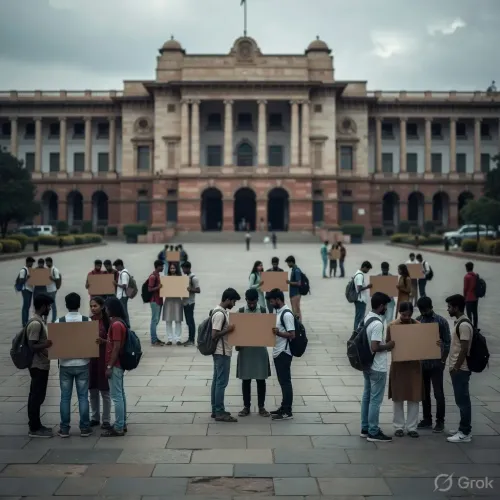
Jharkhand has a history of youth agitations around employment, education, and reservation issues.
Jharkhand Mukti Morcha (JMM) , which Soren leads, has long positioned itself as a party of social justice and regional welfare.
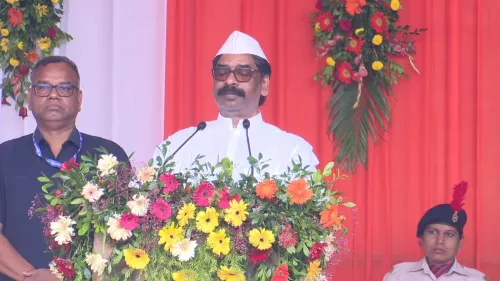
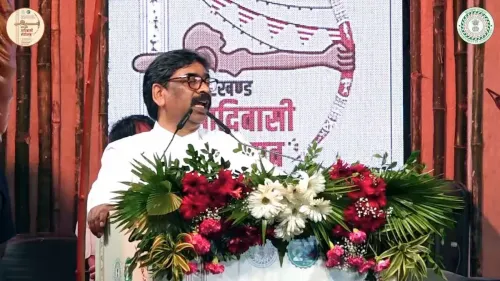
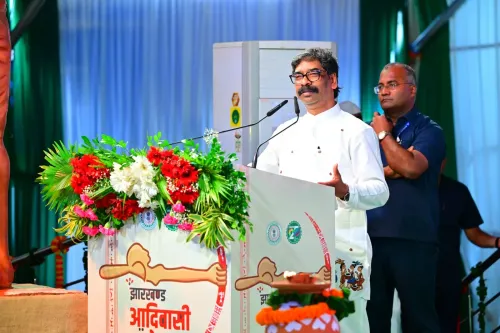
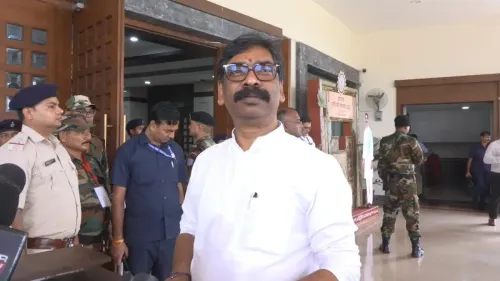
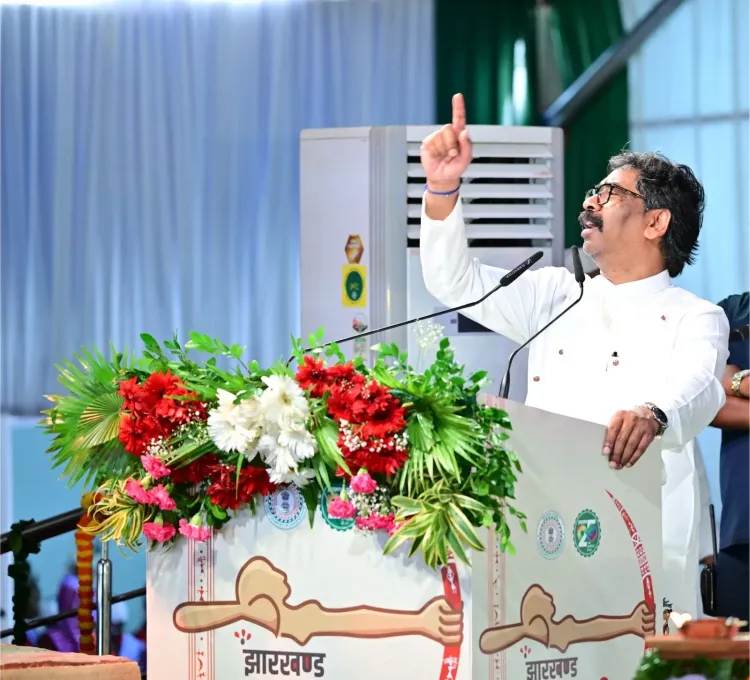
A government that listens before the streets fill up — that is the promise Chief Minister Hemant Soren put on record on Sunday, August 9, 2026, as the Chief Minister's Office of Jharkhand shared his direct assurance to the state's students and young people.
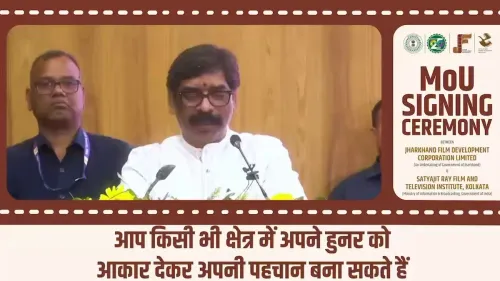
Speaking in Hindi, Soren stated: 'Our government is sensitive towards every youth and student of the state. Youth do not need to depend only on agitations to make their voices heard — we are building a medium through which every young person's voice reaches the government directly.'
Why the pledge matters in Jharkhand
Jharkhand's youth have historically channelled frustration over employment, education access, and reservation policies into street protests and agitations. The state's political landscape — shaped in large part by Jharkhand Mukti Morcha (JMM), the regional party Soren leads as national president — has long centred on social justice and the rights of marginalised communities, including tribal populations who form a significant share of the state's young demographic. Soren's administration has consistently sought to position itself as one that responds to citizen feedback through governance channels rather than waiting for agitation to force its hand. Sunday's statement doubles down on that posture, framing the government not as a distant authority but as an active listener.The 'medium' Soren is building — and what it still needs to be
The Chief Minister did not name a specific platform, app, or institutional mechanism in the post. What he signalled is intent: a structured, direct line between individual young citizens and the government machinery. Whether that takes the form of a digital grievance portal, a dedicated youth helpline, or a formal advisory council remains to be seen from subsequent announcements. For Jharkhand's students and job-seekers, the credibility of the pledge will rest entirely on the specifics that follow — the reach, the response time, and whether concerns submitted through the channel translate into visible policy action. A government that builds the bridge before the march begins is the proposition on the table. Jharkhand's youth will be watching for the blueprint.Point of View
The administration is trying to shift the political frame from protest-response to proactive dialogue. For a state where student and youth agitations have repeatedly forced policy retreats, institutionalising direct feedback could reduce the political cost of unrest. However, the pledge carries real credibility risk: without a named platform, a timeline, and a transparent response mechanism, it risks being read as rhetoric ahead of political mobilisation. The broader test is whether JMM's social-justice brand translates into functional administrative infrastructure for the state's young demographic.
NationPress
24 Sept 2026
Frequently Asked Questions
What did CM Hemant Soren say about Jharkhand youth?
On August 9, 2026, CM Hemant Soren said his government is building a direct communication channel so that youth and students in Jharkhand can reach the government without depending on protests or agitations.
What is the new platform for Jharkhand youth to contact the government?
CM Soren announced the intent to create such a medium but has not yet named a specific platform, app, or portal. Details are expected in subsequent government announcements.
Why do Jharkhand youth rely on agitations to be heard?
Jharkhand students and youth have historically used street protests to raise concerns around employment, education access, and reservation policies, often because formal grievance channels were seen as inaccessible or unresponsive.
Who is Hemant Soren?
Hemant Soren is the Chief Minister of Jharkhand and the national president of Jharkhand Mukti Morcha (JMM), a regional party founded in 1972 with a focus on tribal rights and social justice.
What issues do Jharkhand youth typically raise with the government?
Key concerns among Jharkhand's youth include employment opportunities, access to quality education, and reservation policies — issues that have driven recurring agitations in the state.