Did BNP MPs Take Oath After Their Stunning Victory?
Synopsis
In a stunning electoral win, the BNP is taking the reins of power. However, the newly sworn-in MPs have opted out of the Constitution Reform Council. What does this mean for Bangladesh's political landscape?
Key Takeaways
BNP's decisive win in the 13th parliamentary elections.
BNP MPs were sworn in, but skipped the Constitution Reform Council oath .
Party leader Tarique Rahman directed this decision.
The Constitution Reform Council needs formal incorporation into the Constitution.
Speculation exists on the strategy of the 11-party alliance regarding parliamentary oaths.
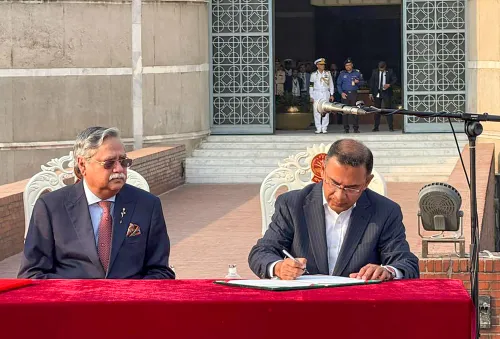
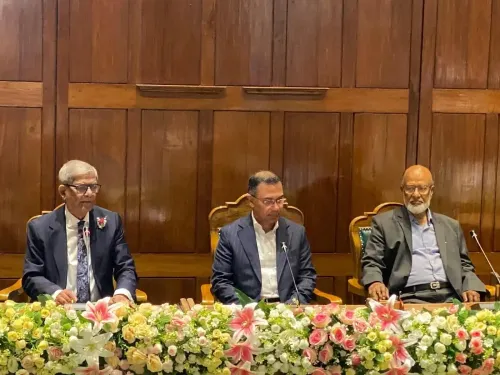
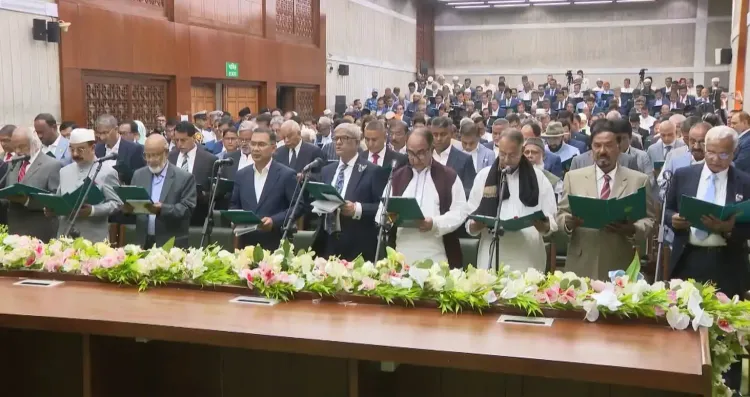
Dhaka, Feb 17 (NationPress) Following a decisive triumph in the 13th parliamentary elections, the Bangladesh Nationalist Party (BNP) is poised to establish the government. On Tuesday, the party's newly elected Members of Parliament took their oaths at the South Plaza of the National Parliament in Dhaka, according to local media.
The oath was administered by Chief Election Commissioner AMM Nasir Uddin in the morning, adhering to the nation's Constitution, as the positions of Speaker and Deputy Speaker from the 12th Parliament remain unfilled.
The ceremony was overseen by Parliament Secretariat Secretary Kaniz Moula.
Reports indicate that the BNP MPs opted not to take the oath in their capacity as members of the Constitution Reform Council.
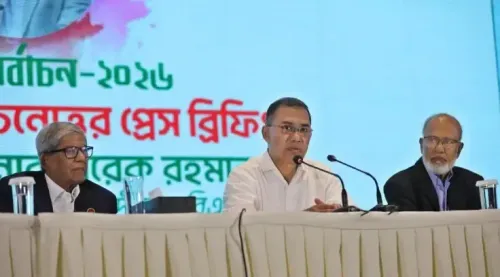
During the ceremony, BNP leader Salauddin Ahmed stated that following directives from party chief Tarique Rahman, all newly elected BNP MPs were instructed to refrain from signing the Constitution Reform Council form, as they were not elected to be part of the council, as reported by The Daily Star.
Salauddin further explained that the Constitution Reform Council does not currently exist within the Constitution and must first be integrated following the results of the referendum.
He pointed out that there are also procedural requirements and specific guidelines regarding who would administer the oaths to the members of the Constitution Reform Council.
The 13th parliamentary election coincided with the referendum on the July National Charter on February 12, covering 299 out of 300 constituencies in the country.
In this election cycle, the BNP secured 209 parliamentary seats, while the radical Islamist party Jamaat-e-Islami won 68 seats.
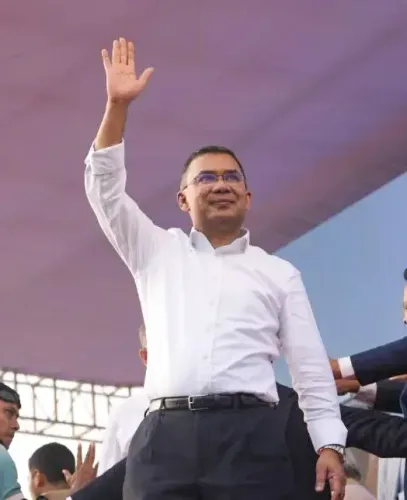
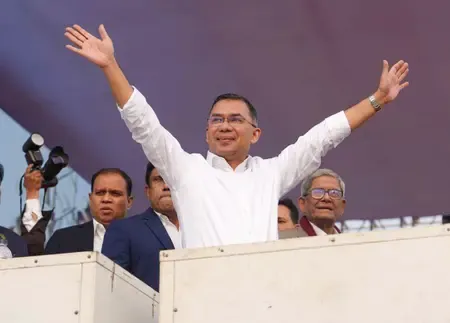
BNP Chairman Tarique, who won from two constituencies, has since vacated the Bogura-6 seat for a by-election and has taken the oath as a member from the Dhaka-17 constituency.
Additionally, a report from the prominent Bangladeshi daily Prothom Alo suggests that newly elected MPs from the 11-party alliance, including Jamaat-e-Islami and the National Citizen Party (NCP), are contemplating not taking their parliamentary oaths.
This decision appears to be a reaction to the BNP's choice to abstain from the constitutional reform council oath.
IANS
scor/sd/
Point of View
It is essential to recognize the implications of the BNP's significant victory in the 13th parliamentary elections. The decision of its MPs to abstain from the Constitution Reform Council oath reflects a complex political strategy. It will be critical to observe how this decision influences governance and constitutional reform efforts in Bangladesh.
NationPress
19 Sept 2026
Frequently Asked Questions
What happened during the oath-taking ceremony?
The BNP MPs took their oaths at the National Parliament in Dhaka, led by the Chief Election Commissioner, but opted out of the Constitution Reform Council.
Why did BNP MPs skip the Constitution Reform Council oath?
The party leadership instructed MPs not to participate, arguing the council is not yet part of the Constitution.