How Did Tarique Rahman Become Leader of the BNP Parliamentary Party and Prime Minister of Bangladesh?
Synopsis
On February 17, Tarique Rahman was elected as the Leader of the BNP Parliamentary Party, making him the Prime Minister of Bangladesh. This significant political shift comes as the country faces challenges including unrest and extremism. Discover the details behind this pivotal moment in Bangladeshi politics.
Key Takeaways
Tarique Rahman has been elected Leader of the BNP Parliamentary Party.
He is set to become the Prime Minister of Bangladesh.
The BNP secured 209 parliamentary seats in the elections.
Major challenges include unrest and extremism .
The election took place on February 12 .
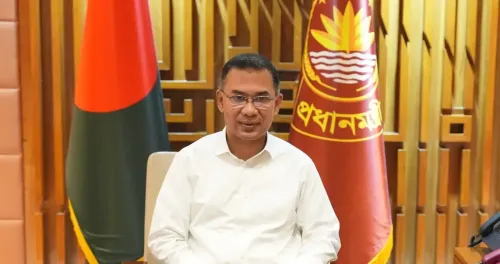
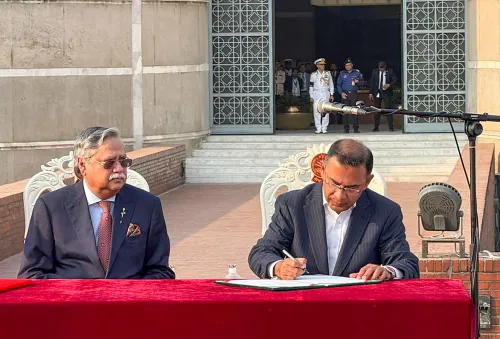
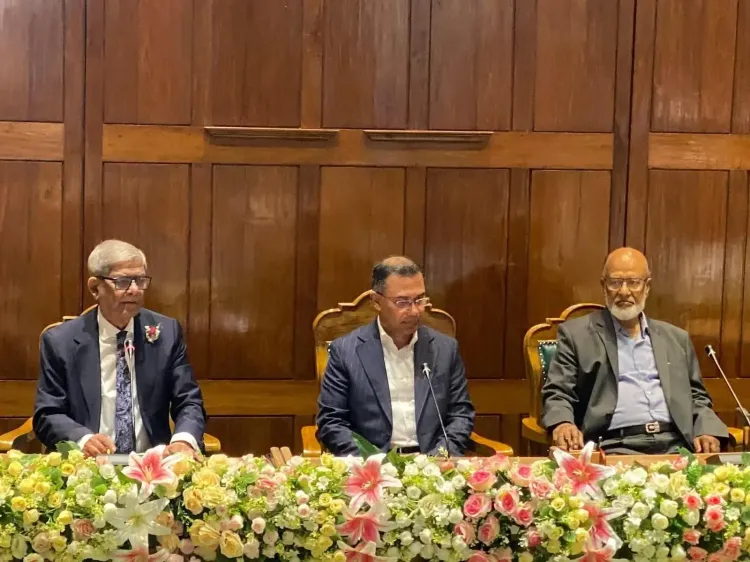
Dhaka, Feb 17 (NationPress) The BNP Parliamentary Party has appointed Tarique Rahman as its Leader, paving the way for him to assume the role of Leader of the House and take the oath as the Prime Minister of Bangladesh later in the day, as reported by local media.
With the majority of seats, the BNP convened the Parliamentary Party and held its inaugural session, presided over by Tarique Rahman, after its 208 MPs took their oaths at the Jatiya Sangsad Bhaban earlier in the day.
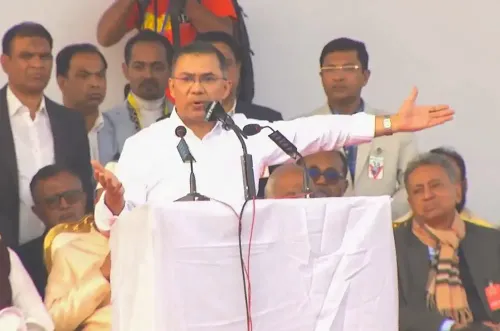
During this session, the Parliamentary Party elected Tarique, the Chairman of the BNP, as its Leader and the sole nominee for the prime ministerial position, as noted in a post on BNP's official Facebook page.
After the swearing-in ceremony, BNP Secretary General Mirza Fakhrul Islam Alamgir confirmed that Tarique, who has proposed new strategies and a vision for a “new Bangladesh”, has been entrusted by the party's MPs to lead them in the Jatiya Sangsad, according to reports from The Business Standard.
In the meantime, Chief Election Commissioner AMM Nasir Uddin administered the oath to the newly elected MPs, following the constitutional requirements, as the positions of Speaker and Deputy Speaker of the 12th Parliament remain unfilled.
Reports indicate that BNP MPs refrained from taking the oath as members of the Constitution Reform Council.
At the beginning of the oath-taking ceremony, BNP leader Salauddin Ahmed stated that under the directive of party chief Tarique Rahman, all newly elected BNP MPs have been instructed not to sign the Constitution Reform Council form, as they were not elected as its members, as reported by The Daily Star.
Salauddin emphasized that the Constitution Reform Council is not recognized in the Constitution and must first be integrated through a referendum outcome.
He also mentioned that comprehensive procedures are needed, including clear guidelines on who would administer the oath to members of the Constitution Reform Council.
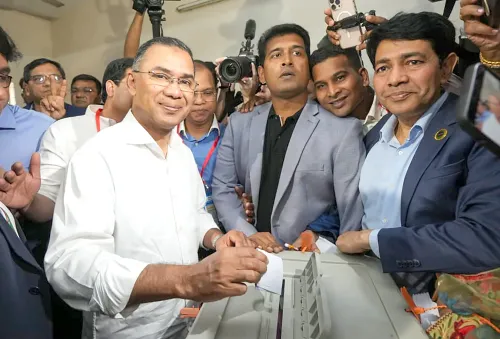
The 13th parliamentary election coincided with the referendum on the July National Charter on February 12, covering 299 of the country’s 300 constituencies.
In these elections, the BNP secured 209 parliamentary seats, while the radical Islamist party Jamaat-e-Islami won 68 seats.
Tarique, who won from two constituencies, chose to vacate the Bogura-6 seat for a by-election and took the oath as a member of Parliament representing the Dhaka-17 constituency.
As Tarique is poised to lead Bangladesh, a nation that hasn’t seen a male Prime Minister in nearly 35 years, experts caution that the country must tackle substantial challenges, including unrest and escalating Islamist extremism witnessed during the 18-month tenure of the interim government led by Mohammad Yunus.
IANS
scor/sd/
Point of View
I believe that the election of Tarique Rahman as the Leader of the BNP Parliamentary Party and potential Prime Minister signifies a pivotal moment in Bangladeshi politics. His leadership comes at a time when the nation faces pressing challenges. It is crucial to observe how his governance will address issues of unrest and extremism while fostering political stability.
NationPress
14 Oct 2026
Frequently Asked Questions
Who was elected as the Leader of the BNP Parliamentary Party?
Tarique Rahman was elected as the Leader of the BNP Parliamentary Party.
What position is Tarique Rahman expected to take?
He is expected to take the oath as the Prime Minister of Bangladesh.
How many parliamentary seats did the BNP win?
The BNP won 209 parliamentary seats in the recent elections.
What challenges does Bangladesh face under Tarique Rahman's leadership?
Bangladesh faces challenges including unrest and rising Islamist extremism.
When was the 13th parliamentary election held?
The 13th parliamentary election was held on February 12.