Will Tarique Rahman Ensure Law and Order in Bangladesh?
Synopsis
In a pivotal moment for Bangladesh, BNP's Tarique Rahman calls for unity in maintaining law and order after a decisive election win. His call to action emphasizes the importance of cooperation and justice for the nation’s stability. Can this new leadership navigate the challenges ahead?
Key Takeaways
Tarique Rahman calls for cooperation to maintain law and order.
BNP secured 209 out of 297 parliamentary seats.
Emphasis on justice and protection for all citizens.
Challenges ahead include unrest and extremism.
Election viewed as a victory for the people.
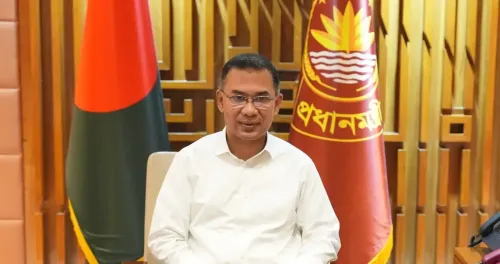
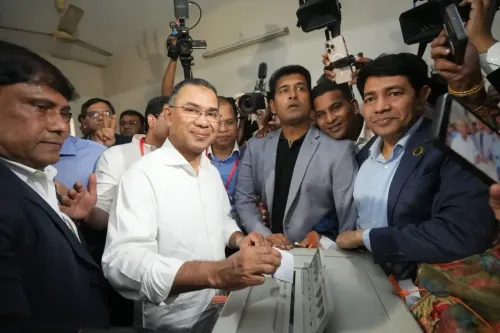
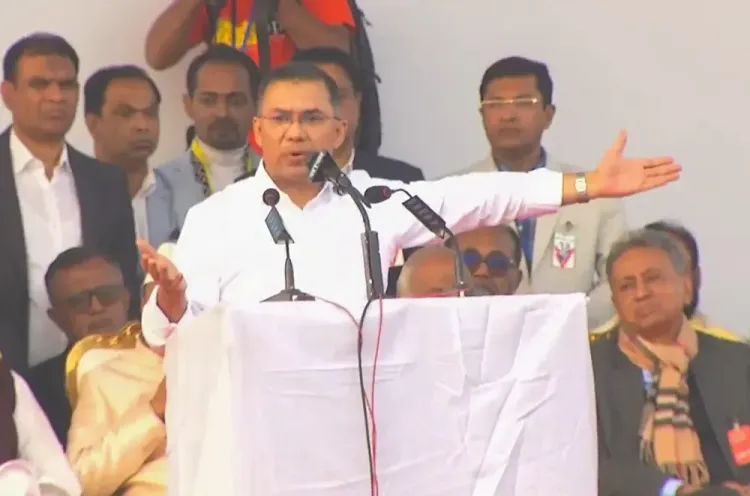
Dhaka, Feb 14 (NationPress) Following the Bangladesh Nationalist Party (BNP)'s significant triumph in the 13th Parliamentary election, the party chairman Tarique Rahman emphasized the utmost importance of preserving law and order "at any cost" and called for collective efforts to foster a secure and humane society, as reported by local media.
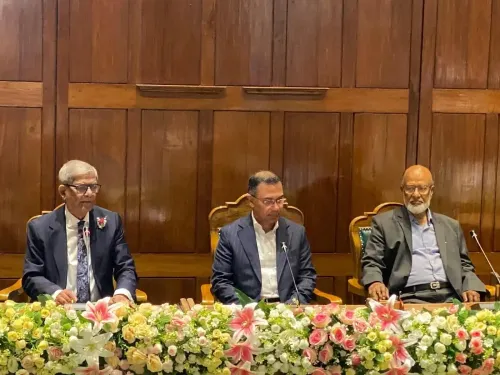
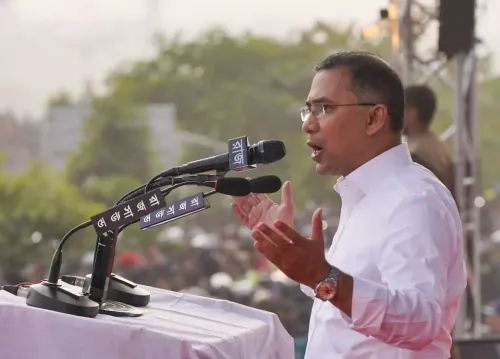
Rahman, poised to become the next Prime Minister of Bangladesh after his party achieved a commanding majority in the election, spoke during a press briefing on Saturday afternoon in Dhaka.
“We require the cooperation of all to establish a safe and humane Bangladesh. This time, each individual must adopt a responsible role in the nation's reconstruction. No one should face injustice under any pretext. Law and order must be upheld at any cost,” quoted Rahman from Bangladesh’s leading newspaper Dhaka Tribune.
Reiterating the significance of maintaining law and order, Rahman cautioned that any acts of violence, vengeance, or incitement would be unacceptable.
He stated, "My position is unequivocal; peace and order must be preserved at any cost. No injustice or unlawful actions will be tolerated. Regardless of political affiliations, faith, race, or differing views — no justification will be valid for the strong to oppress the weak."
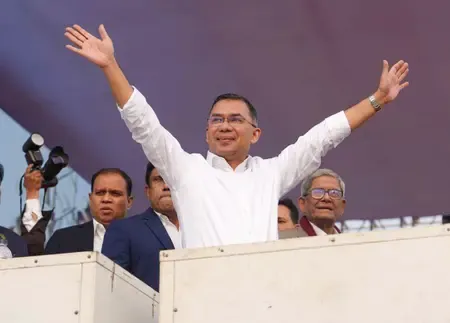
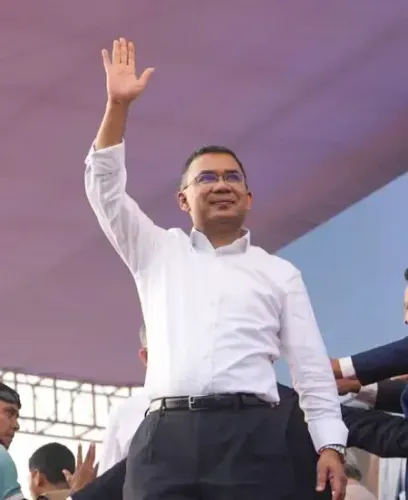
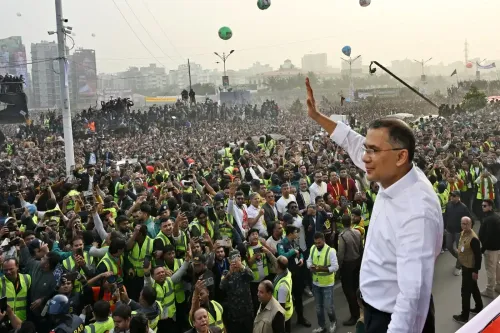
The BNP chairman characterized the election result as “the victory of the people,” asserting that the freedom-loving populace of the nation had empowered the BNP.
BNP secured 209 out of 297 seats in the February 12 election, with candidates leading in two constituencies, including Chattogram-2 and 4, where results are still pending. Their allies claimed three seats.
Conversely, Jamaat-e-Islami captured 68 seats, while its partners in the Jamaat-led 11-party alliance obtained nine seats. Islami Andolan Bangladesh (IAB) achieved one seat, and independent candidates secured victories in seven constituencies, according to Prothom Alo.
As Tarique Rahman is set to guide Bangladesh — a country that hasn't had a male Prime Minister in nearly 35 years — experts warn of the substantial challenges ahead, particularly regarding the unrest and escalating Islamist extremism that characterized the 18-month tenure of the Muhammad Yunus-led interim government.
Point of View
It is imperative to approach this development with a focus on the implications for Bangladesh's future. The call for law and order by Tarique Rahman is significant and highlights the need for unity and responsibility among citizens. The BNP's victory, while celebrated by supporters, presents challenges that require careful navigation to ensure peace and stability in the country.
NationPress
22 Sept 2026
Frequently Asked Questions
What did Tarique Rahman emphasize after the BNP election victory?
Tarique Rahman emphasized the need to maintain law and order 'at any cost' and called for collective efforts to build a safe and humane Bangladesh.
How many seats did the BNP win in the recent elections?
The BNP won 209 out of 297 seats in the February 12 election.
What is the potential challenge facing Tarique Rahman's leadership?
Experts warn of significant challenges, including unrest and rising Islamist extremism, that may arise during his tenure.
What did Rahman say about injustice?
Rahman stated that no injustice should be done under any pretext, and law and order must be upheld.
What does the election outcome signify for the people of Bangladesh?
Rahman described the election outcome as 'the victory of the people,' indicating a strong mandate from the populace.