Boeing 737 MAX software glitch may disable autopilot after missed landing
Synopsis
A software defect in the Boeing 737 MAX disables a key autopilot function after a missed approach — the exact moment crews need it most. The FAA is investigating, Southwest and United are refusing new deliveries with the flawed code, and a permanent fix is not due until early 2028. For India, where Akasa Air flies an all-MAX fleet, the story is still developing.
Key Takeaways
A Boeing 737 MAX software glitch can disable automated navigation after a missed approach , increasing crew workload at low altitude.
The FAA has launched a formal investigation; findings could delay approval of the MAX 7 and MAX 10 variants.
Southwest Airlines and United Airlines are refusing new 737 MAX deliveries carrying the affected software.
Boeing said a permanent fix is targeted for early 2028 but is working to accelerate the timeline.
Boeing first learned of the issue from an operator in November 2024 ; a formal safety review began only this month.
Akasa Air operates an all- 737 MAX fleet in India; no Indian carrier has been identified as carrying the flawed software.
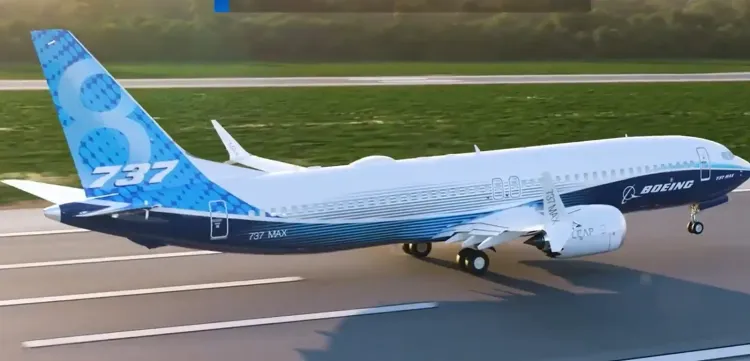
A newly discovered software defect in the Boeing 737 MAX can disable an automated navigation feature following a missed approach, raising fresh airworthiness concerns for a jet type operated extensively by Indian carriers, according to a report by The Wall Street Journal. The flaw originated in a cockpit software update and has prompted a formal investigation by the US Federal Aviation Administration (FAA).
What the Glitch Does
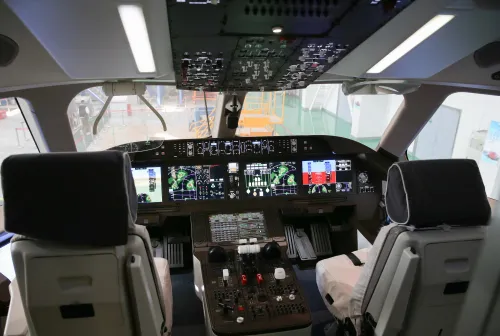
The problem emerges when pilots alter their planned flight path after abandoning a landing attempt, known in aviation as a missed approach. In such a scenario, the automated navigation feature can become unavailable, leaving crews to fly the aircraft manually without certain autopilot functions. Industry officials, cited by the Journal, noted this could significantly raise crew workload at a critical phase of flight — when the jet is at low altitude and potentially in adverse weather.
The flaw does not occur during routine operations, but the combination of factors required to trigger it — a missed approach followed by a flight-path change — is not an uncommon situation in commercial aviation.
Boeing's Response and Timeline
Boeing acknowledged the defect but maintained it does not pose a safety risk. The company notified 737 MAX operators in late August, according to a company document cited by the Journal. 'We shared information with operators that reinforced existing pilot procedures for safely handling such cases,' Boeing said in a statement. 'Our engineers are working on a software update to permanently address the issue.'
Boeing told operators in August it expected to issue further guidance by November and deliver a permanent fix by early 2028. The company is now reportedly trying to accelerate both timelines. It is also developing an interim procedure that would allow pilots to manually restore the automated navigation feature if it drops out. Boeing said it first became aware of the problem from a MAX operator in November 2024; the issue did not initially meet its internal threshold for a safety review. A formal review began only this month after additional operator feedback was received and findings were shared with the FAA.
Airlines Push Back on New Deliveries
Southwest Airlines and United Airlines have informed Boeing they will not accept new 737 MAX deliveries carrying the affected software, requesting an earlier, unaffected version instead, according to industry officials cited by the Journal. Boeing confirmed airlines can revert to the prior software release.
Southwest faces particular pressure: it has waited years for the smaller MAX 7 — which the FAA approved for passenger service last month — and plans to put it into service next year. Delta, United, American, and Alaska Airlines all have MAX 10 aircraft on order. Boeing Chief Executive Kelly Ortberg has said he expects the MAX 10 to receive regulatory approval soon, but the FAA's ongoing review of the glitch could complicate that timeline if regulators determine it creates an unsafe condition.
Notably, Alaska, American, Southwest, and United have each stated that none of their currently flying aircraft carries the flawed software. It is not publicly known how many aircraft operating worldwide are affected; Boeing said it is seeking an accurate count because airlines are not required to notify the manufacturer when they install a software update. According to aviation data firm Cirium, there are 2,422 MAX 8 and MAX 9 aircraft flying globally.
Regulatory Scrutiny and Industry Views
A senior FAA official told the Journal the agency is investigating and will act if necessary. Canadian carrier WestJet offered a more sanguine assessment: 'This is not considered a safety issue, we have standard operating procedures and training to mitigate this type of event,' the airline said. GE Aerospace, which developed the software, confirmed it is supporting the FAA's evaluation.
Relevance for Indian Carriers
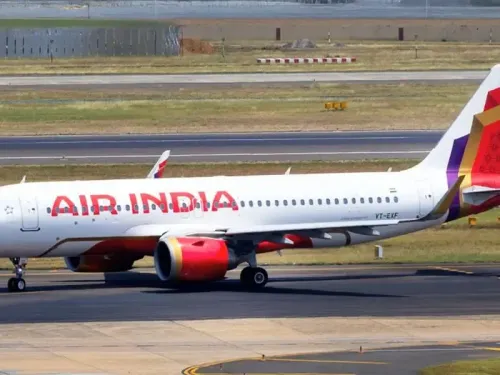
The development is being closely tracked in India. Akasa Air operates an all-Boeing 737 MAX fleet, while Air India Express uses the 737-8 alongside older 737 models. The Journal did not identify any Indian carrier as operating aircraft with the affected software, and there is no public indication of disruptions to flights in India. However, any regulatory action that restricts deliveries or mandates software rollbacks could affect fleet expansion plans, particularly for the fast-growing Akasa Air.
The FAA's conclusions — and Boeing's ability to accelerate its fix timeline — will be closely watched by regulators, airlines, and passengers worldwide.
Point of View
Yet asking fatigued pilots to fly manually at low altitude in bad weather is precisely the kind of cascading risk that looks acceptable on a checklist and dangerous in a cockpit. For Indian regulators and carriers, the more pressing question is whether the Directorate General of Civil Aviation (DGCA) will independently audit which aircraft in Indian skies carry the affected software, or simply defer to Boeing's operator notifications — a posture that has proven insufficient before.
NationPress
27 Sept 2026
Frequently Asked Questions
What is the Boeing 737 MAX software glitch?
A defect in a cockpit software update can disable an automated navigation feature on the Boeing 737 MAX when pilots change their flight path after a missed approach. This can force crews to fly manually without certain autopilot functions at a critical, low-altitude phase of flight.
Is the 737 MAX software glitch considered a safety risk?
Boeing maintains the glitch does not pose a safety risk and that existing pilot procedures are sufficient to handle the situation. However, the FAA has launched a formal investigation and a senior agency official said it will act if necessary; industry officials noted that the added manual workload at low altitude could be hazardous.
When will Boeing fix the 737 MAX software issue?
Boeing told operators in August to expect further guidance by November and a permanent software fix by early 2028 . The company says it is now working to accelerate both timelines and is also developing an interim procedure to help pilots restore the affected navigation feature manually.
Which Indian airlines operate the Boeing 737 MAX?
Akasa Air operates an all-Boeing 737 MAX fleet, while Air India Express flies the 737-8 alongside older 737 models. The Wall Street Journal did not identify any Indian carrier as having aircraft with the affected software, and there are no reports of disruptions to flights in India.
Could the glitch delay Boeing MAX 10 certification?
The FAA has said its review could affect approval of the MAX 7 and MAX 10 if regulators determine the glitch creates an unsafe condition. The MAX 7 received FAA approval for passenger service last month; Boeing CEO Kelly Ortberg has said he expects MAX 10 approval soon, but the investigation introduces uncertainty.