PoK human rights abuses: British Kashmiri leaders submit dossier to UK PM's office
Synopsis
British Kashmiri diaspora groups handed a dossier to 10 Downing Street on 5 October citing 90 named deaths in PoK between June and October 2026 — including at least one British national. The move follows a Geneva conference at the UNHRC sidelines, signalling a coordinated international push to force UK and global accountability for alleged Pakistani security force abuses in the territory.
Key Takeaways
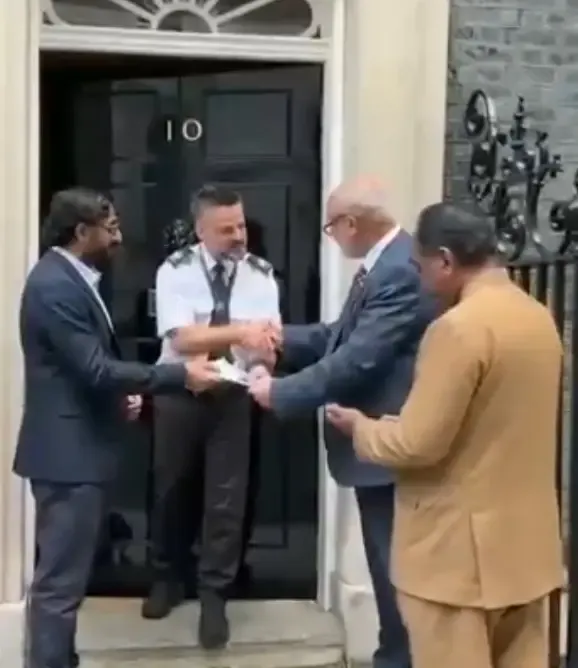
British Kashmiri community leaders submitted an urgent memorandum and fatality report to the UK Prime Minister's office at 10 Downing Street on 5 October 2026 .
The report, compiled by the Jammu Kashmir Human Rights Observatory (JKHRO) , documents 90 named deaths in PoK between 5 June and 4 October 2026 , including at least one British national .
The memorandum demands consular protection for British nationals, communications restoration, humanitarian access, and independent investigation into alleged abuses by Pakistani security forces .
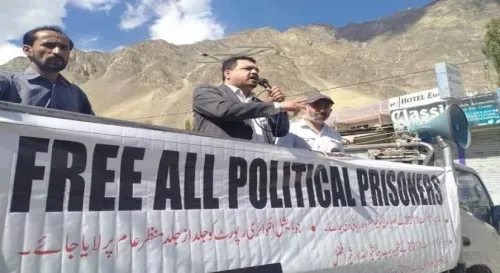
The Joint Awami Action Committee (JAAC) announced the action via a post on X , framing it as a call for UK government intervention.
Last month, the UKPNP organised a parallel conference at the Geneva Press Club on the sidelines of the 63rd UNHRC session , where participants condemned alleged extrajudicial killings and enforced disappearances in PoK.
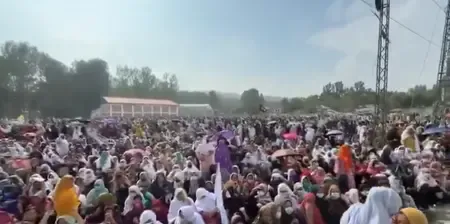
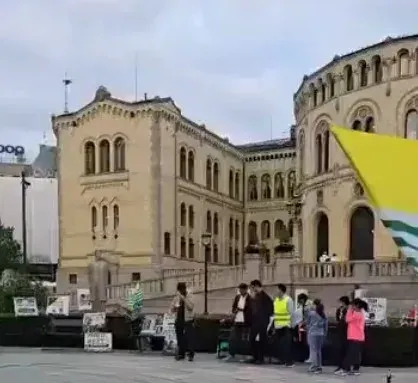
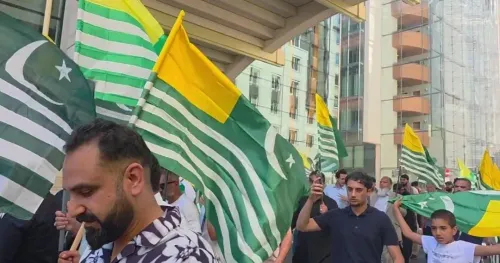
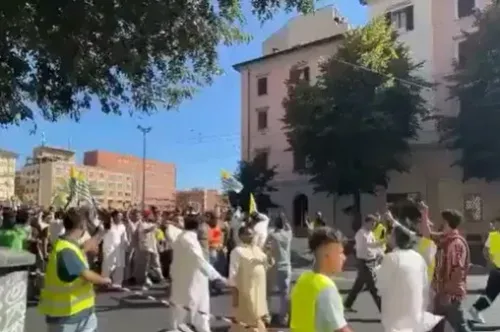
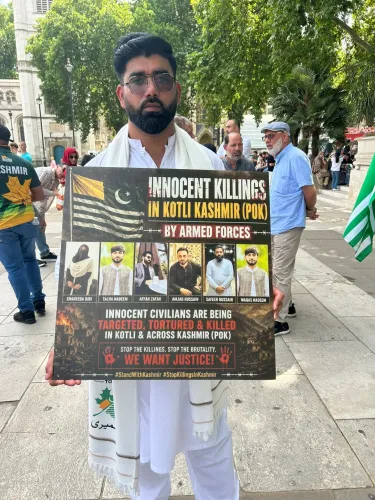
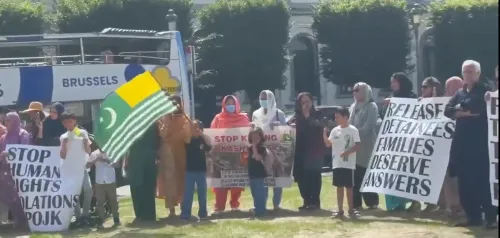
Several leaders of the British Kashmiri community and civil society representatives submitted an urgent memorandum and a detailed report on human rights abuses by Pakistani authorities in Pakistan-occupied Kashmir (PoK) to the UK Prime Minister's office at 10 Downing Street, London, on 5 October 2026, following a demonstration by members of the Kashmiri diaspora. The submission, backed by documented fatality records, marks a formal escalation by diaspora groups seeking coordinated British government action on the crisis.
What the Memorandum Demands
The memorandum addressed to the British Prime Minister requested coordinated action across eight specific areas: consular protection for British nationals in PoK; restoration of communications access; humanitarian and medical access; independent investigation and preservation of evidence; accountability for detainees and missing persons; protection of children and continuity of education; protection against reprisals linked to lawful advocacy in the UK; and support for inclusive and verifiable political dialogue.
Diaspora member Sardar Aftab Khan said the handover 'brought the documented experiences of families in PoK directly to the notice of the UK Government.' Quoted by the Joint Awami Action Committee (JAAC), Khan stated: 'We are asking the Prime Minister to protect British nationals, press for the truth about the dead and missing, support independent investigation and help prevent further loss of life.'
The Fatality Report: What It Contains
The report submitted alongside the memorandum contains 90 named fatality records documented by the Jammu Kashmir Human Rights Observatory (JKHRO), a PoK-based group, covering the period 5 June to 4 October 2026. At least one of those identified is described in the memorandum as a British national, with the latest recorded death dated 4 October 2026 — just one day before the submission.
The report further called for access to post-mortem and hospital records, ballistic and firearms evidence, CCTV and original video files, digital metadata, deployment and command records, ammunition records, mortuary and burial records, and independent witness testimony. The breadth of the evidentiary demand signals an intent to build a case for potential international accountability proceedings.
The Geneva Conference: International Pressure Builds
This is not an isolated effort. Last month, Kashmiri political leaders, international human rights defenders, journalists, civil society representatives and activists strongly condemned Pakistan over escalating abuses in PoK at an international conference held at the Geneva Press Club. The event was organised by the United Kashmir People's National Party (UKPNP) on the sidelines of the 63rd Session of the United Nations Human Rights Council (UNHRC) in Geneva.
According to the UKPNP, participants sharply criticised reported extrajudicial killings, enforced disappearances, arbitrary arrests, communications blackouts, and allegations of excessive use of force by Pakistani security forces in PoK. Participants expressed solidarity with JAAC and its peaceful people's rights movement. The UKPNP separately called for independent international investigations, accountability for those responsible for unlawful killings, justice for victims' families, the release of arbitrary detainees, and the restoration of fundamental freedoms in the territory.
Context and What Comes Next
The dual-track pressure — through the UK government and the UNHRC — reflects a coordinated international strategy by diaspora and civil society groups to internationalise the PoK human rights situation. Notably, the JAAC announced the demonstration and the memorandum submission via a post on X on Monday, amplifying visibility ahead of the formal handover.
Whether the UK government formally acknowledges the memorandum or takes diplomatic steps remains to be seen. Any British consular intervention on behalf of nationals identified in the fatality register would represent a significant diplomatic development in London-Islamabad relations.
Point of View
Dates, and a British national in the list make it difficult for the UK government to treat this as abstract advocacy. London faces a genuine consular obligation test: if a British passport-holder is among the documented dead, diplomatic silence becomes legally and politically uncomfortable. What mainstream coverage tends to miss is the coordinated timing: a Geneva UNHRC conference last month, a London demonstration and Downing Street dossier this week — this is diaspora diplomacy with a sequenced international strategy, not a one-off protest. The real pressure point is whether the UK formally acknowledges the memorandum in Parliament, which would force the Foreign Office to take a public position on Pakistan's conduct in PoK.
NationPress
5 Oct 2026
Frequently Asked Questions
What did British Kashmiri leaders submit to the UK Prime Minister's office?
They submitted an urgent memorandum and a report documenting 90 named deaths in Pakistan-occupied Kashmir between 5 June and 4 October 2026, compiled by the Jammu Kashmir Human Rights Observatory. The memorandum calls for consular protection of British nationals, communications restoration, humanitarian access, and independent investigation into alleged abuses by Pakistani security forces.
Who is the JAAC and what role did it play?
The Joint Awami Action Committee (JAAC) is a civil society group active in PoK that leads a peaceful people's rights movement in the region. It coordinated the British Kashmiri diaspora protest outside 10 Downing Street and announced the memorandum submission via a post on X on Monday.
Why does the fatality report matter for the UK government?
The report identifies at least one of the 90 named individuals as a British national, creating a direct consular obligation for the UK government. If confirmed, the death of a British citizen allegedly at the hands of Pakistani security forces would compel a formal Foreign Office response.
What happened at the Geneva conference on PoK last month?
The United Kashmir People's National Party (UKPNP) organised a conference at the Geneva Press Club on the sidelines of the 63rd UNHRC session. Participants condemned reported extrajudicial killings, enforced disappearances, arbitrary arrests, and communications blackouts in PoK, and called for independent international investigations and the release of arbitrary detainees.
What are diaspora groups asking the UK government to do specifically?
The memorandum lists eight demands: consular protection for British nationals, restoration of communications access, humanitarian and medical access, independent investigation and evidence preservation, accountability for detainees and missing persons, protection of children and education continuity, protection against reprisals for UK-based advocacy, and support for inclusive political dialogue in PoK.