Balochistan enforced disappearances: BYC alleges 4 men seized by Pakistani forces
Synopsis
The BYC has alleged that Pakistani security forces — including the FC, MI, and ISI — forcibly disappeared four Baloch men within 48 hours, as its latest report documents 507 enforced disappearances in the first six months of 2026, with 303 people still missing and 32 killed in custody. One of the four men has reportedly been disappeared for the fourth time.
Key Takeaways
The Balochistan Yakjehti Committee (BYC) alleged on 19 October 2026 that four men were forcibly disappeared by Pakistani forces in Kech and Mastung on 15 and 17 October .
Pazeer Nasir has reportedly been subjected to enforced disappearance for the fourth time , according to the BYC.
The BYC's 2026 first-half report documents 507 enforced disappearances ; 303 remain missing and 32 were killed in custody.
Victims included 44 minors and over 20 women ; Quetta and Kech had the most documented cases.
The BYC documented 150 civilian killings , including 15 minors , in Balochistan in the first half of 2026.
The Frontier Corps (FC) was linked to 180 disappearance cases ; the CTD to 93 ; the army to 42 .
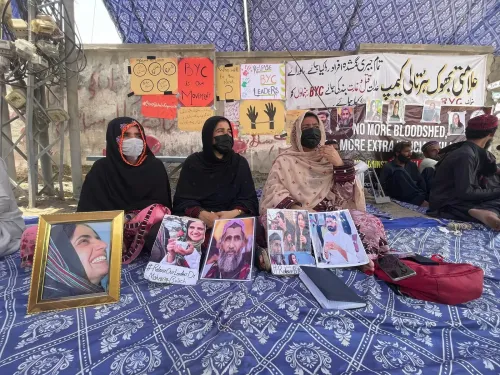
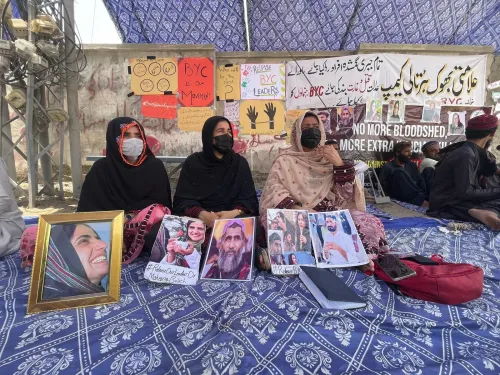
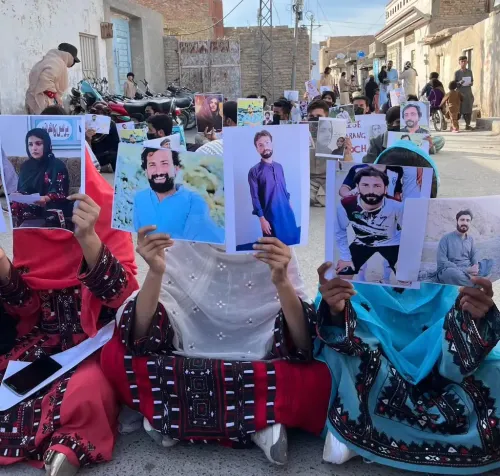
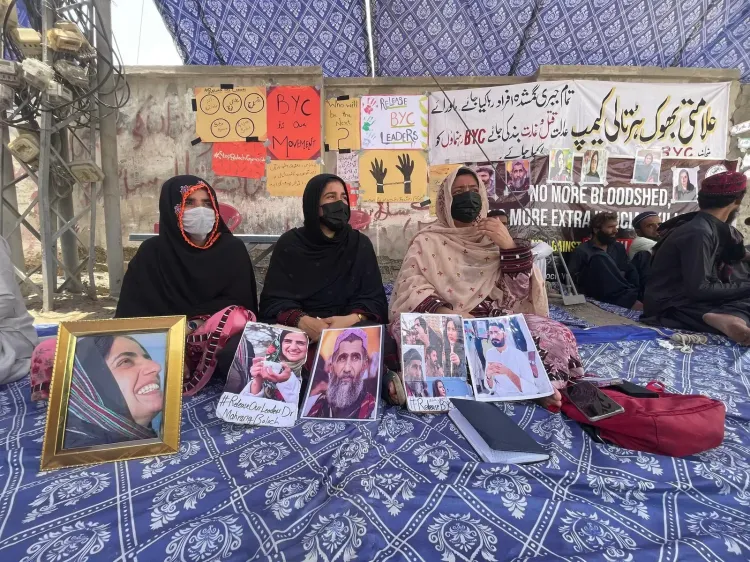
The Balochistan Yakjehti Committee (BYC) on Monday, 19 October 2026, alleged that four men were forcibly disappeared by Pakistani security forces in Balochistan, renewing urgent calls for an end to enforced disappearances in the restive province. The rights body named specific agencies — including the Frontier Corps (FC), Military Intelligence (MI), and the Inter-Services Intelligence (ISI) — as allegedly responsible.
The Four New Cases
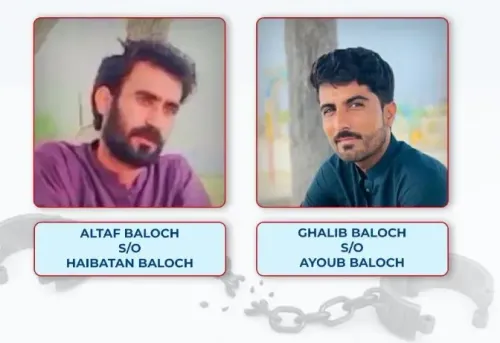
According to the BYC, Taiyeb Nasir (24) and Pazeer Nasir (28), both residents of Kech, were allegedly taken from their homes by Pakistan's FC and MI on 17 October at 5 pm local time. The BYC noted that Pazeer Nasir has reportedly been subjected to enforced disappearance for the fourth time, underscoring what the organisation describes as a pattern of repeated targeting.
Separately, Izat Ullah Baloch (27) and Asif Baloch, both residents of Mastung, were allegedly taken by Pakistan's ISI and MI — Izat Ullah at 1 am and Asif Baloch at 1:30 am on 15 October. No official Pakistani government statement has been issued in response to these allegations.
Scale of Enforced Disappearances in 2026
The BYC's Human Rights Department report for the first six months of 2026 documented 507 individuals allegedly subjected to enforced disappearance by Pakistani state authorities, security agencies, and state-backed groups across Balochistan. Of these, 150 were released after short-term detention, 32 were killed in custody, and 303 remain missing with no information shared with their families.
Notably, the victims included 44 minors and over 20 women. Quetta and Kech recorded the highest number of documented cases.
Agencies Allegedly Involved
The BYC report linked the Frontier Corps (FC) to 180 cases, the Counter Terrorism Department (CTD) to 93 cases, the army to 42 cases, and alleged death squads to 20 documented cases. Several additional cases reportedly involved combined operations by multiple agencies.
Killings and Deteriorating Human Rights
Beyond disappearances, the BYC documented 150 killings of Baloch civilians — including 15 minors — in the first half of 2026. Panjgur recorded the highest number of killings, followed by Kech and Gwadar. The BYC alleged that state-backed groups were the primary perpetrators, followed by the FC and the army.
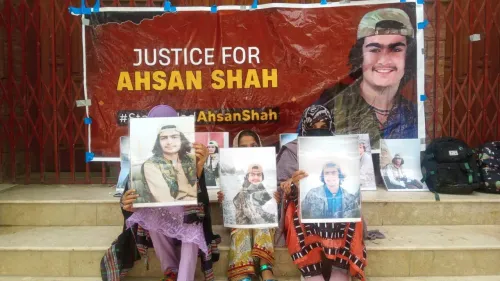
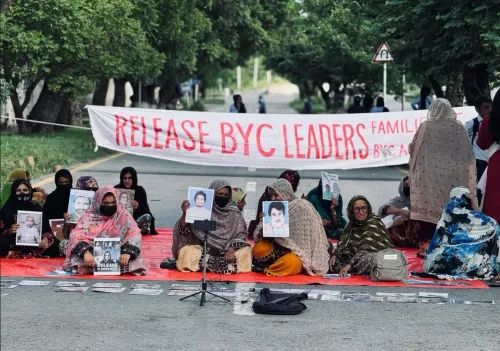
The BYC further alleged that fundamental freedoms — including freedom of expression, peaceful assembly, movement, and the right to protest — have been severely curtailed. Peaceful demonstrations by rights organisations and families of disappeared persons were, according to the BYC, frequently met with harassment, arrests, and the use of force by state authorities. These allegations remain disputed by the Pakistani government, which has historically denied systematic abuses in Balochistan.
Context and What Comes Next
Balochistan has been the site of a decades-long separatist insurgency and persistent allegations of human rights violations. International rights organisations, including Human Rights Watch and Amnesty International, have previously raised concerns about enforced disappearances in the province. The BYC's latest report is expected to be submitted to international human rights forums; the Pakistani state's formal response, if any, is awaited.
Point of View
Targeted harassment rather than isolated security operations. Pakistan's government has consistently rejected such allegations, but the pattern of named agencies, specific timestamps, and district-level disaggregation in the BYC data makes blanket denial increasingly difficult to sustain internationally. With Balochistan's strategic importance — anchored by the China-Pakistan Economic Corridor (CPEC) — these allegations deserve far more sustained scrutiny from global rights bodies than they currently receive.
NationPress
19 Oct 2026
Frequently Asked Questions
Who are the four men allegedly disappeared by Pakistani forces in Balochistan?
The four men are Taiyeb Nasir (24) and Pazeer Nasir (28) from Kech, allegedly taken by the FC and MI on 17 October, and Izat Ullah Baloch (27) and Asif Baloch from Mastung, allegedly taken by the ISI and MI on 15 October. These are the latest cases flagged by the Balochistan Yakjehti Committee.
What is the Balochistan Yakjehti Committee (BYC)?
The BYC is a Balochistan-based human rights and civil society organisation that monitors and documents alleged abuses by Pakistani security forces in the province, including enforced disappearances and extrajudicial killings. It regularly publishes reports and advocates for accountability at national and international forums.
How many enforced disappearances has the BYC documented in Balochistan in 2026?
The BYC documented 507 enforced disappearances in Balochistan in the first six months of 2026. Of these, 150 individuals were released after short detention, 32 were killed in custody, and 303 remain missing with no information shared with their families.
Which Pakistani agencies does the BYC hold responsible for the disappearances?
The BYC has alleged that the Frontier Corps (FC) was involved in 180 cases, the Counter Terrorism Department (CTD) in 93 cases, the army in 42 cases, and state-backed groups in 20 documented cases. Several cases allegedly involved combined operations by multiple agencies, including the ISI and Military Intelligence.
Why do enforced disappearances in Balochistan continue to be a concern?
Balochistan has faced a long-running separatist insurgency and persistent allegations of human rights abuses, including enforced disappearances and extrajudicial killings. International organisations such as Human Rights Watch and Amnesty International have previously raised concerns, and the BYC's 2026 data suggests the situation has deteriorated further, with fundamental freedoms — including peaceful assembly and freedom of expression — reportedly severely restricted.