Balochistan 2026: 507 enforced disappearances, 150 killings in six months
Synopsis
A detailed human rights report by the Baloch Yakjehti Committee puts the number of enforced disappearances in Balochistan at 507 in just the first six months of 2026 — 303 people still unaccounted for, 32 killed in custody, and 44 minors among the victims. With the Frontier Corps and CTD named as primary perpetrators, the report lays bare what BYC describes as a systematic campaign of state-backed violence in Pakistan's most restive province.
Key Takeaways
The Baloch Yakjehti Committee (BYC) documented 507 enforced disappearances in Balochistan during January–June 2026 .
Of those, 303 remain missing , 32 were killed in custody , and 150 were released after short-term detention.
Victims included 44 minors and over 20 women ; Quetta and Kech had the highest case counts.
The Frontier Corps (FC) was linked to 180 disappearance cases; the CTD to 93 ; the army to 42 .
150 civilian killings , including 15 minors , were documented; Panjgur reported the most deaths.
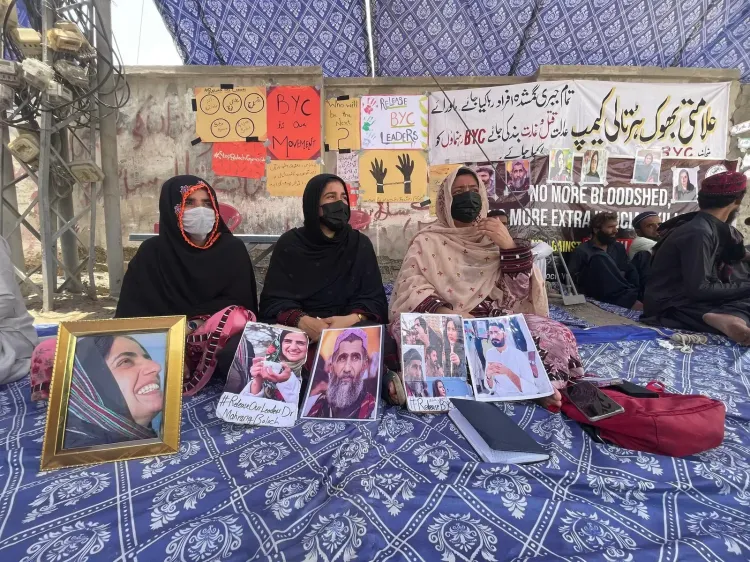
Activists Mahrang Baloch and Bebarg Baloch remain in detention since March 2025 and have allegedly been denied basic medical care.
The Baloch Yakjehti Committee (BYC) has documented 507 enforced disappearances and 150 killings of Baloch civilians in Balochistan during the first six months of 2026, according to a report released by the organisation's Human Rights Department. The figures, attributed by BYC to Pakistani state authorities, security agencies, and alleged state-backed death squads, represent one of the most detailed tallies of alleged abuses in the conflict-hit province this year.
Scale of Enforced Disappearances
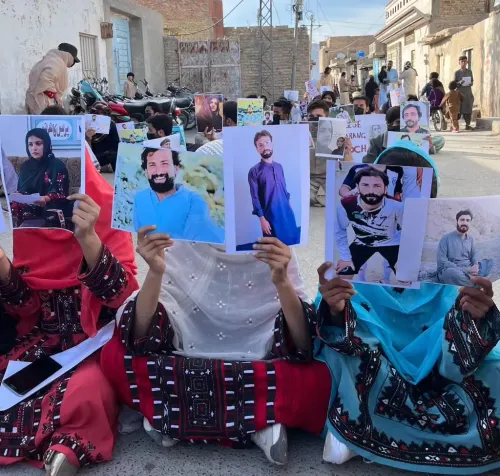
Of the 507 individuals reportedly subjected to enforced disappearance, 150 were released after short-term detention, 32 were killed while in custody, and 303 remain missing with no information shared with their families about their fate or whereabouts, according to the BYC report. The victims reportedly included 44 minors and over 20 women. Quetta and Kech recorded the highest number of documented disappearance cases in the province.
The BYC specifically alleged the involvement of the paramilitary Frontier Corps (FC) in 180 cases, the Counter Terrorism Department (CTD) in 93 cases, the army in 42 cases, and death squads in 20 documented cases. Some incidents were allegedly carried out in combined operations involving forces, intelligence agencies, the CTD, police, and death squads.
Documented Killings Across Districts
The BYC's Human Rights Department documented 150 killings of Baloch civilians, including 15 minors, during the first half of 2026. Panjgur reported the highest number of killings, followed by Kech and Gwadar. The BYC alleged that state-backed death squads were the primary perpetrators of killings, followed by the Frontier Corps and the army. Pakistani authorities have not publicly responded to the specific allegations in this report.
Detained Activists Denied Medical Care
The BYC report highlighted the cases of activists Mahrang Baloch and Bebarg Baloch — the latter described as a specially-abled person — who have reportedly remained in detention since March last year. According to BYC, Pakistani authorities have used torture, intimidation, and other methods to break their will, and both have allegedly been denied access to basic medical care on multiple occasions by prison authorities acting at the behest of intelligence agencies.
Deteriorating Human Rights Conditions
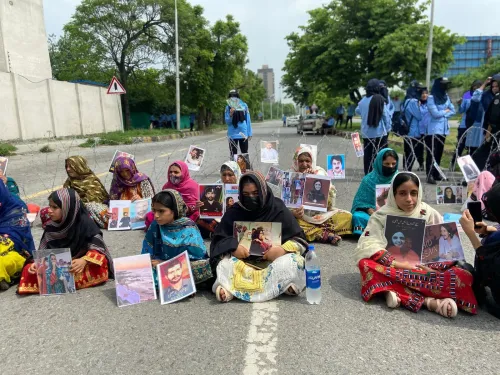
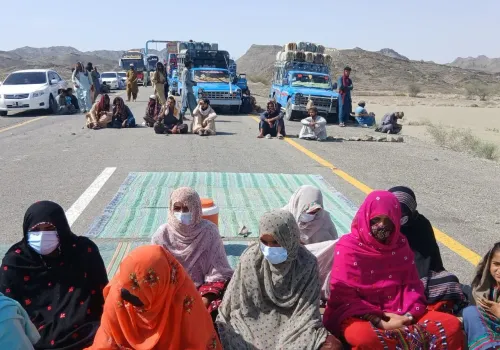
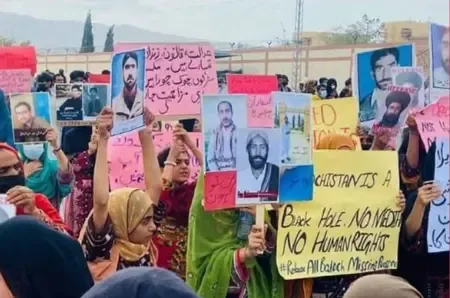
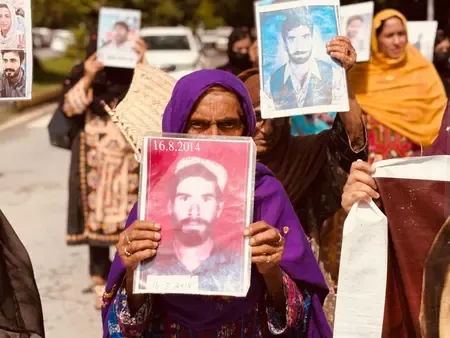
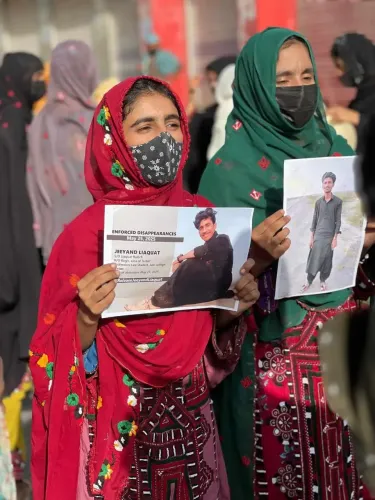
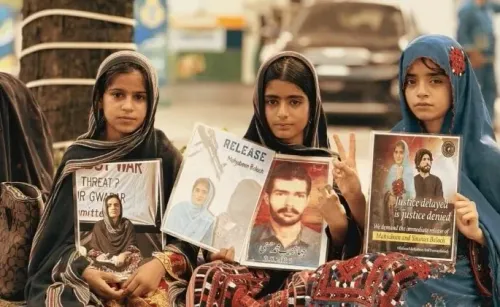
The BYC report stated that the overall human rights situation in Balochistan has deteriorated over the first six months of 2026, with fundamental freedoms — including freedom of expression, peaceful assembly, movement, and the right to protest — severely curtailed. Peaceful demonstrations by human rights organisations, families of enforced disappearance victims, and political groups were, according to the BYC, frequently met with harassment, intimidation, arrests, and the use of force by state authorities.
This comes amid a long-running pattern of documented allegations against Pakistani security forces in Balochistan, a resource-rich but deeply impoverished province where separatist sentiment has simmered for decades. International human rights bodies and the United Nations have previously called on Islamabad to investigate disappearances in the region. How Pakistani authorities respond to the BYC's latest documentation is likely to shape international scrutiny of the province in the months ahead.
Point of View
But the granular attribution to the FC, CTD, and army in this report raises the evidentiary bar for that denial. What is consistently underreported is the gendered and age-disaggregated dimension: over 20 women and 44 minors among the disappeared signals a deliberate community-level pressure campaign, not just counterterrorism operations. The international community's muted response to Balochistan, compared to other conflict zones, remains a geopolitical anomaly given the documented scale — and the presence of CPEC-linked strategic interests almost certainly explains some of that silence.
NationPress
30 Sept 2026
Frequently Asked Questions
What did the Baloch Yakjehti Committee report reveal about Balochistan in 2026?
The BYC's Human Rights Department documented 507 enforced disappearances and 150 civilian killings in Balochistan in the first six months of 2026. Of those disappeared, 303 remain missing, 32 were killed in custody, and 150 were released after short-term detention.
Which Pakistani agencies are alleged to be responsible for the disappearances?
According to the BYC report, the paramilitary Frontier Corps was linked to 180 cases, the Counter Terrorism Department to 93, the army to 42, and state-backed death squads to 20 documented cases. Some incidents allegedly involved combined operations by multiple agencies.
Which districts in Balochistan recorded the most cases?
Quetta and Kech recorded the highest number of documented enforced disappearances. For killings, Panjgur reported the most deaths, followed by Kech and Gwadar, according to the BYC's report.
Who are Mahrang Baloch and Bebarg Baloch?
They are Baloch activists who have reportedly remained in detention since March 2025. The BYC alleges that both have been subjected to torture and intimidation, and have been denied access to basic medical care on multiple occasions by prison authorities.
How has the broader human rights situation in Balochistan changed in 2026?
The BYC report states that conditions have deteriorated in the first half of 2026, with freedoms of expression, assembly, movement, and protest severely restricted. Peaceful demonstrations were reportedly met with harassment, arrests, and force by state authorities.