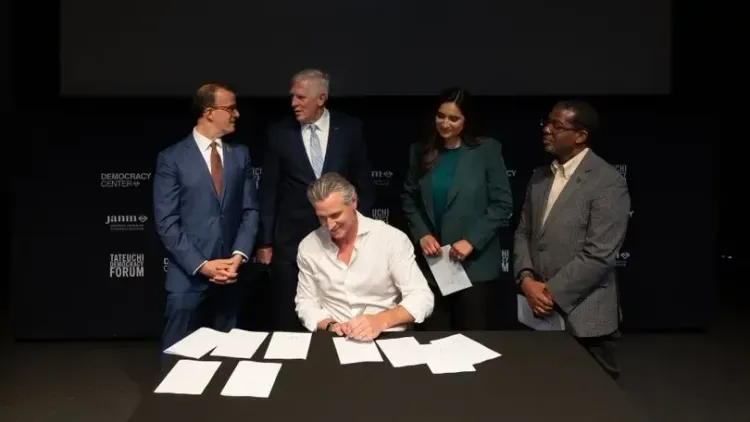
California's Newsom signs 13 bills to shield November elections from federal interference
Synopsis
California has drawn the sharpest legal line yet against federal election interference: 13 new bills signed by Governor Newsom make ballot seizure a felony, shield mail-in voting, and force local agencies to report any federal action on election records — all as the state's Supreme Court showdown with the Trump administration over voter data remains unresolved.
Key Takeaways
Governor Gavin Newsom signed 13 bills into law on 20 September 2026 to protect California's November midterm elections .
Assembly Bill 282 makes seizing ballots or election records before certification a felony .
Senate Bill 259 criminalises directing others to interfere with the return or delivery of a mail-in ballot .
The legislation follows a Trump executive order issued in March on voter data and mail-ballot standards, which California challenged in federal court.
The Supreme Court blocked enforcement of the order's mail-ballot restrictions ahead of the midterms.
Secretary of State Shirley Weber and Attorney General Rob Bonta co-backed the package as a shield against federal encroachment.
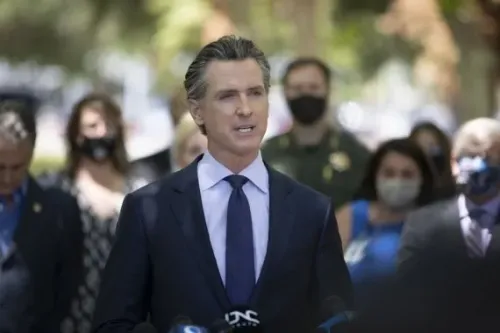
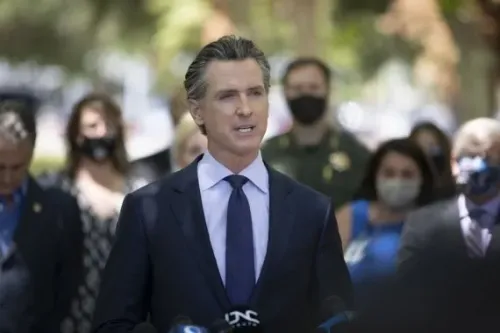
California Governor Gavin Newsom on 20 September 2026 signed a package of 13 bills into law designed to protect the state's November midterm elections from federal interference, including provisions targeting mail-in voting and voter data demands. The legislation, announced by his office, represents the most comprehensive election-protection package California has enacted in recent memory.
Key Provisions in the Package
Assembly Bill 282 makes it a felony to seize ballots, election records, or certified voting technology before election results are officially certified. Senate Bill 259 criminalises any authority figure who directs another person to interfere with the delivery or return of a mail-in ballot. Assembly Bill 1664 requires local agencies and election officials to promptly notify the state whenever specified law-enforcement actions involve election records or certified voting technology.
The Federal Dispute Driving the Legislation
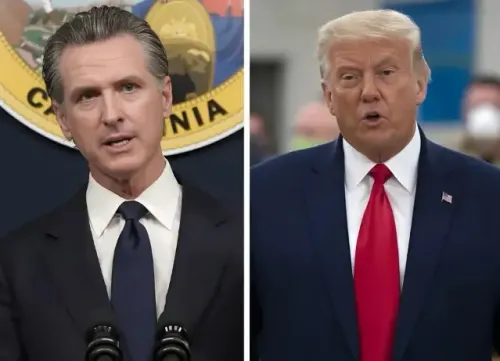
The bills arrive amid an ongoing clash between California and the Trump administration over federal election policy. President Trump issued an executive order in March directing federal agencies to share lists of confirmed voting-age citizens with states, and instructing the U.S. Postal Service to begin rule-making on standards for mail-in and absentee ballots. California and several other states challenged the order in federal court. The Supreme Court subsequently blocked enforcement of new restrictions on mail-in ballots ahead of the November midterms. California has also resisted federal demands for statewide voter-registration data.
What State Officials Said
Governor Newsom, Secretary of State Shirley Weber, and Attorney General Rob Bonta stated that the package is intended to guard against federal encroachment on state election administration. 'This legislative package ensures that California voters will not be silenced or intimidated,' Weber said in a statement. Newsom added that 'These bills today build upon the wall California has built to safeguard our electoral process.'
Broader Context and What's Next
In the United States, state law primarily governs election procedures, while federal law sets nationwide standards — a division that has become a flashpoint in the current political environment. Midterm elections are congressional elections held midway through a presidential term. With the November 2026 midterms approaching, California's move is likely to intensify the legal and political standoff with the federal government. Observers expect further court challenges from both sides as election day draws closer.
Point of View
And their constitutionality under federal supremacy doctrine will almost certainly be tested in court. What's less examined in mainstream coverage is the mail-ballot rule-making initiated by the U.S. Postal Service: if that process advances after the midterms, California's current protections may need a second legislative round. The state is winning tactical battles — the Supreme Court blocked immediate enforcement — but the structural war over who controls election mechanics in federalised states is far from settled.
NationPress
20 Sept 2026
Frequently Asked Questions
What are the 13 California election protection bills signed by Governor Newsom?
They are a package of laws signed on 20 September 2026 targeting federal interference in California's November midterm elections. Key measures include making ballot seizure a felony, criminalising obstruction of mail-in ballots, and requiring local agencies to report any law-enforcement actions involving election records to the state.
Why did California pass these election bills?
The legislation was prompted by a Trump administration executive order issued in March directing federal agencies to supply states with voter-age citizen lists and initiating rule-making on mail-in ballot standards. California and other states challenged the order in federal court, and the bills are designed to create additional state-level legal safeguards ahead of the November midterms.
What did the Supreme Court decide on Trump's election executive order?
The Supreme Court blocked the Trump administration from enforcing new restrictions on mail-in ballots before the November midterm elections. The ruling gave California a temporary legal reprieve, but broader disputes over voter-registration data and federal election standards remain unresolved.
Who is affected by the new California election laws?
The laws apply to local agencies, election officials, and any authority figures operating in California. Ordinary voters are the intended beneficiaries, particularly those who rely on mail-in ballots. State officials, including Secretary of State Shirley Weber and Attorney General Rob Bonta, are empowered to enforce the new provisions.
What happens next in the California–federal election standoff?
With the November 2026 midterms approaching, further court challenges from both the state and federal government are widely expected. The U.S. Postal Service's ongoing rule-making on mail-in ballot standards could also trigger a second wave of litigation after the midterms, regardless of the current Supreme Court block.