Chemical Smell Disrupts Flights Across Washington Airports
Synopsis
A strong chemical odor from a Virginia air traffic control facility caused flight disruptions across multiple Washington-area airports, leading to significant delays and operational challenges for airlines and passengers alike.
Key Takeaways
Strong chemical odor led to flight disruptions.
Multiple airports in the Washington area were affected.
The FAA is investigating the source of the odor.
No injuries reported during the incident.
Flight operations gradually resumed, but delays continued.
Washington, March 14 (NationPress) - A potent chemical scent at a crucial air traffic control center in Virginia led to the suspension of flights across various airports in the Washington area, significantly disrupting air travel throughout the region.
This interruption impacted Ronald Reagan Washington National Airport, Washington Dulles International Airport, Baltimore-Washington International Airport, and Richmond International Airport.
Aviation officials indicated that the odor stemmed from the Potomac Consolidated Terminal Radar Approach Control (TRACON) facility in Virginia, which oversees air traffic for airports in the Washington-Baltimore area and parts of Virginia.
US Transportation Secretary Sean Duffy stated that the Federal Aviation Administration (FAA) is actively investigating the cause of the smell that is affecting airport operations.
“@FAANews is addressing the strong odor coming from Potomac TRACON that is impacting operations at the three airports,” Duffy shared on the social platform X.
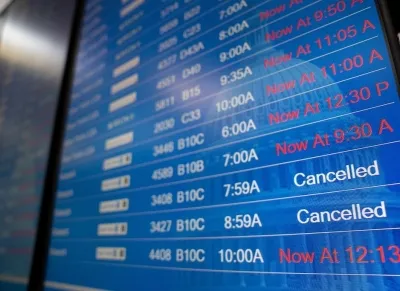
The FAA implemented temporary ground stops, preventing aircraft from landing at the affected airports. Flights resumed later in the evening, but delays continued as airlines worked to manage the backlog of flights.
Officials noted that the ground stop was initiated following reports of a “strong chemical smell” within the Potomac TRACON facility, which impacted some air traffic controllers responsible for directing flights to the bustling Washington-area airports. Fortunately, no injuries were reported.
Potomac TRACON plays a vital role in coordinating aircraft movements into and out of several major airports serving the US capital region, providing air traffic control services for the Baltimore-Washington and Richmond-Charlottesville areas.
The disruption rapidly affected airline schedules, with aviation data revealing that approximately 25% to 33% of departing flights from the impacted airports were delayed after the ground stop was initiated.
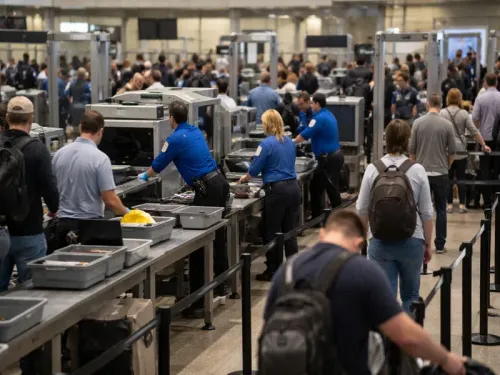
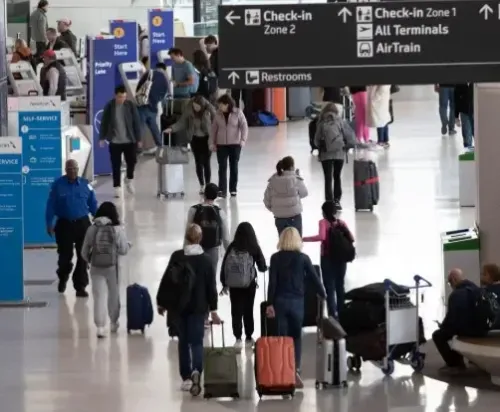
Passengers experienced prolonged waits as airlines adjusted their operations, with some travelers reporting extended periods on the tarmac while others were instructed to deplane as airlines awaited clearance to resume normal departures.
Flights gradually returned to normal later in the evening, although some ground delays persisted as authorities worked to restore standard operations across the heavily trafficked regional airspace.
Point of View
It underscores the need for rigorous safety protocols in aviation operations.
NationPress
2 Oct 2026
Frequently Asked Questions
What caused the flight disruptions in Washington?
A strong chemical odor at the Potomac TRACON facility in Virginia led to the temporary halt of flights at several Washington-area airports.
Which airports were affected by the ground stop?
The ground stop impacted Ronald Reagan Washington National Airport, Washington Dulles International Airport, Baltimore-Washington International Airport, and Richmond International Airport.
Was anyone injured due to the chemical smell?
No injuries were reported following the incident.
How long were flights delayed?
Flights were delayed for an extended period as airlines worked to manage the backlog after the ground stop was lifted.
What is Potomac TRACON?
Potomac TRACON is a key air traffic control facility that manages aircraft movements into and out of several major airports serving the Washington-Baltimore region.