White House Touts Supersonic Flight Return Under SecDuffy
Synopsis
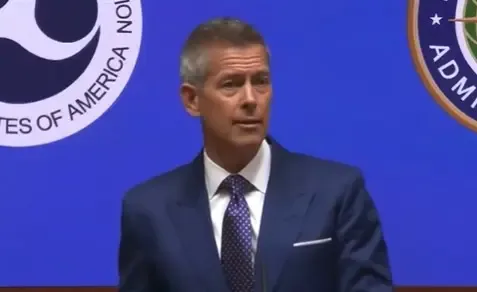
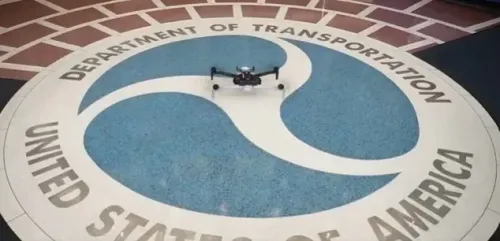
The White House announced that Transportation Secretary Sean Duffy has unveiled a major move to bring supersonic commercial flights to American skies, marking the administration's most ambitious aviation policy push since the Concorde era ended in 2003.
Key Takeaways
The White House announced on 1 July 2026 that Secretary of Transportation Sean Duffy has announced a major supersonic aviation policy initiative.
Commercial supersonic flight has been absent from US skies since the Concorde's retirement in 2003 .
A longstanding FAA ban on overland supersonic civil flight , dating to the 1970s , is the primary regulatory barrier to revival.
Companies including Boom Supersonic have been developing next-generation supersonic jets pending regulatory reform.
If realised, supersonic routes could cut India-US flight times from roughly 15 hours to under 8 hours .
Full details of Duffy's announcement are expected from the Department of Transportation and the FAA .
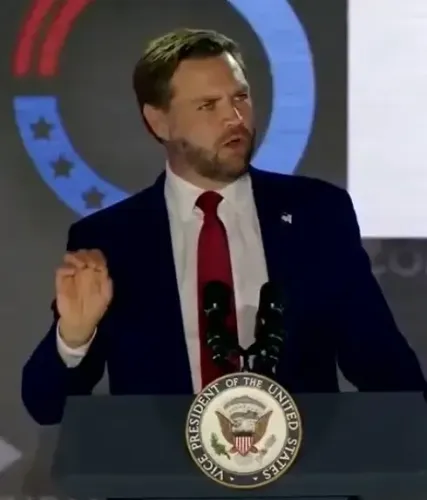
The White House announced on Tuesday, 1 July 2026 that Secretary Sean Duffy has unveiled a major policy move to bring supersonic commercial flights back to American skies, calling it the dawn of a new era in aviation.
Context
The White House post declared, 'The future of flight is taking off,' crediting Secretary Duffy — a reference to Sean Duffy, the US Secretary of Transportation — with announcing 'huge news' on supersonic aviation. The administration framed the development as part of what it calls the 'Golden Age of travel.'
Supersonic commercial aviation effectively ended in 2003 when the Concorde was retired after more than two decades of transatlantic service. Since then, a new generation of aerospace firms has been working to revive overland and transoceanic supersonic passenger travel, a goal that has faced significant regulatory and noise-related hurdles in the United States.
Policy Backdrop
A key barrier to supersonic commercial flight over the US has been a Federal Aviation Administration (FAA) ban on civil supersonic flight over land, rooted in concerns about sonic booms disturbing populated areas. The ban, in place since the 1970s, has limited supersonic development primarily to over-water routes.
In recent years, companies such as Boom Supersonic and Aerion have pursued next-generation supersonic jets, with Boom's Overture aircraft attracting airline commitments. Regulatory reform at the FAA — including updated noise certification standards for supersonic aircraft — has been identified as essential to unlocking the commercial viability of these planes. Secretary Duffy's announcement appears to signal a significant regulatory or policy shift in this direction, though full details were not disclosed in the White House post.
Stakeholders and Impact
For the US aviation industry, a green light for supersonic commercial flights would represent the most transformative shift in passenger travel since the introduction of widebody jets in the 1970s. Airlines, aerospace manufacturers, and airport operators would all be affected by new certification standards, route planning, and infrastructure requirements.
For Indian travellers and the broader global aviation market, the implications are significant. Supersonic routes connecting India and the United States — currently a journey of roughly 14 to 16 hours — could potentially be halved, reshaping business travel and high-end tourism. Indian carriers and regulators may need to engage with evolving international supersonic standards set by bodies such as the International Civil Aviation Organisation (ICAO).
What's Next
The specifics of Secretary Duffy's announcement — including any proposed rule changes, timelines, or named aircraft programmes — are expected to be detailed through official Department of Transportation and FAA channels. Industry observers will watch closely for whether the administration moves to formally lift or modify the overland supersonic ban.
If regulatory reform proceeds, the first supersonic commercial flights could enter service within this decade, fundamentally altering the economics and experience of long-haul international travel and positioning the United States as a leader in next-generation aviation.
Point of View
The administration is staking political capital on an outcome that requires complex FAA rulemaking and industry delivery — neither of which is guaranteed. For India, the development is worth tracking closely: any liberalisation of US supersonic standards will cascade through ICAO norms and eventually shape what Indian carriers and passengers can access on transatlantic and transpacific corridors. The announcement is bold in ambition, but the distance between a White House post and a supersonic boarding pass remains considerable.
NationPress
29 Sept 2026
Frequently Asked Questions
What did Secretary Duffy announce about supersonic flights?
Secretary of Transportation Sean Duffy announced a major policy initiative to bring supersonic commercial flights back to American skies, as highlighted by the White House on 1 July 2026. Full regulatory details are expected from the Department of Transportation and the FAA.
Are supersonic commercial flights currently allowed in the US?
No. The FAA has banned civil supersonic flight over US land since the 1970s due to sonic boom concerns. This ban is the central regulatory barrier that any new supersonic aviation policy would need to address.
Which companies are building supersonic passenger jets?
Boom Supersonic is among the leading firms developing a next-generation supersonic airliner called the Overture, which has attracted commitments from major airlines. Regulatory reform in the US is considered essential for these aircraft to enter commercial service.
How would supersonic flights affect India-US travel times?
Current non-stop India-US flights take roughly 14 to 16 hours. Supersonic aircraft capable of flying at speeds above Mach 1 could potentially cut that journey to under 8 hours, significantly benefiting business travellers and high-end tourism.
When could supersonic commercial flights begin operating?
Industry timelines suggest the first supersonic commercial flights could enter service within this decade, but this depends on regulatory approvals, successful aircraft certification, and airline readiness — none of which have been formally confirmed.