China's 20% offshore trust tax triggers asset sell-off among ultra-rich
Synopsis
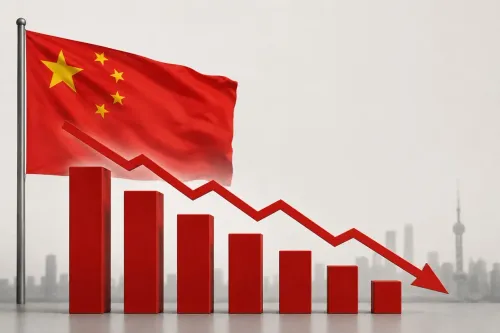
Beijing's sweeping 20% levy on offshore trusts — covering every stage from setup to termination — has sent China's ultra-rich into a frantic asset-selling scramble ahead of a 22 October deadline. With $667 billion in Hong Kong trust assets potentially in scope and land-sale revenues collapsing, this is Beijing's most aggressive wealth-capture move in years.
Key Takeaways
China's Ministry of Finance issued a guideline on 24 July imposing a 20 per cent tax on offshore trusts linked to Chinese residents.
Affected families must declare and pay liabilities on assets transferred into trusts from 2023 onwards by 22 October ; late filings attract surcharges.
Assets held under trusts in Hong Kong reached $667 billion in 2023 , with 55 per cent in mainland China and Hong Kong, per KPMG and the Hong Kong Trustees' Association .
Popular trust jurisdictions — Hong Kong , Singapore , the British Virgin Islands , and the Cayman Islands — are all in scope.
The measure follows China's ban on three cross-border online brokerage firms earlier this year, reflecting a broader crackdown on capital outflows.
Collapsing land-sale revenues amid an economic slowdown are driving Beijing's push to tap offshore wealth as a new fiscal source.
China's decision to impose a 20 per cent tax on offshore trusts has triggered a frantic scramble among the country's wealthiest families, trustees, and financial advisers based in Hong Kong and Singapore to liquidate assets and raise cash ahead of a looming compliance deadline, according to a report by CNBC.
The Compliance Crunch
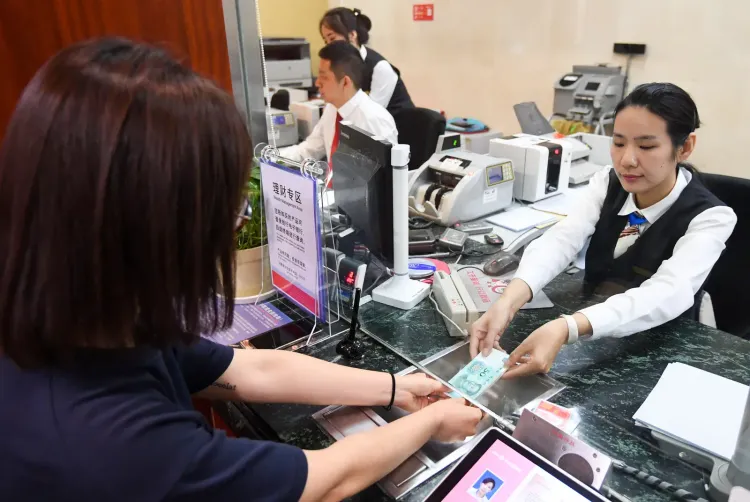
Affected families face a tight deadline of 22 October to declare and settle outstanding tax liabilities on assets transferred into offshore trusts from the start of 2023. According to reports, late filings or non-payment will attract additional surcharges, intensifying the urgency.
China's Ministry of Finance issued the guideline on 24 July, mandating that offshore trusts linked to Chinese residents pay a 20 per cent levy at nearly every stage of a trust's life cycle — from establishment and profit distribution through to termination. The breadth of the measure has caught many high-net-worth families off guard.
Scale of Assets at Stake
The stakes are considerable. A report by KPMG and the Hong Kong Trustees' Association found that assets held under trusts in Hong Kong reached $667 billion in 2023, with 55 per cent of the underlying investments located in mainland China and Hong Kong. Popular trust jurisdictions for China-linked families include Hong Kong, Singapore, the British Virgin Islands, and the Cayman Islands.
A law firm cited in reports noted a sharp surge in enquiries from wealthy families, private banks, trust companies, and insurers seeking clarity on whether — and to what extent — they fall within the scope of the new rules.
Why Beijing Is Tightening the Screws
The tax move is part of a broader fiscal strategy by the Chinese government to generate new revenue streams as traditional income sources dry up. Land sales, once a cornerstone of local government budgetary financing, have collapsed amid a prolonged economic slowdown, forcing Beijing to look elsewhere for fiscal headroom.
This comes amid a wider crackdown on capital outflows. Earlier this year, Chinese authorities banned three cross-border online brokerage firms from operating in the country — a move analysts say signals Beijing's determination to keep wealth onshore.
What Wealthy Families Are Doing Now
Stakeholders are currently assessing the size of their tax bills and exploring ways to settle obligations before the grace period expires. Some are reportedly already weighing which assets to sell to meet the liability, with financial advisers working around the clock to model different scenarios.
The sell-off pressure, if sustained, could ripple through asset markets in Hong Kong and Singapore, where a significant share of Chinese offshore wealth is parked. With the 22 October deadline drawing closer, the pace of asset disposals is expected to accelerate in the weeks ahead.
Point of View
Leaving little room for legal challenge or restructuring, which suggests the intent is as much about deterrence as collection. The deeper problem is fiscal: with land revenues in freefall and growth targets under pressure, taxing accumulated offshore wealth is a one-time fix, not a sustainable base. Markets in Hong Kong and Singapore should brace for a wave of forced selling that could depress valuations in segments where Chinese family offices have been dominant buyers.
NationPress
21 Sept 2026
Frequently Asked Questions
What is China's new 20% offshore trust tax?
China's Ministry of Finance issued a guideline on 24 July requiring offshore trusts linked to Chinese residents to pay a 20 per cent levy at every major stage of the trust's life — from establishment and profit distribution to termination. Families must declare and settle liabilities on assets transferred into such trusts from the start of 2023.
What is the compliance deadline for China's offshore trust tax?
The deadline for declaring and paying outstanding amounts is 22 October. According to reports, late filings or non-payment will attract additional surcharges, making the timeline a source of acute pressure for affected families and their advisers.
How much wealth is potentially affected by the new rules?
According to a report by KPMG and the Hong Kong Trustees' Association, assets held under trusts in Hong Kong alone reached $667 billion in 2023, with 55 per cent of underlying investments in mainland China and Hong Kong. The actual taxable base depends on individual trust structures and residency links.
Why is China imposing this tax now?
Land sales — historically a major source of local government revenue — have collapsed amid a broader economic slowdown, forcing Beijing to seek alternative fiscal income. The offshore trust tax is part of a wider effort to capture wealth that has been structured outside China's direct tax reach.
Which countries are affected by China's offshore trust crackdown?
Trust structures in Hong Kong, Singapore, the British Virgin Islands, and the Cayman Islands are the most commonly used by China-linked families and are therefore most directly in scope. Advisers and trustees in all four jurisdictions are reportedly fielding a surge of enquiries from affected clients.