China's cross-border fund crackdown may speed up household capital flight
Synopsis
Beijing's clampdown on cross-border fund channels — meant to stem capital flight — may be doing the opposite. With property values collapsing and bank accounts being quietly frozen, ordinary Chinese households are reportedly routing wealth abroad through underground channels and then emigrating permanently. The CSRC crackdown, analysts warn, contradicts Xi's own 2013 market pledge and risks destabilising Hong Kong's financial sector in the process.
Key Takeaways
The China Securities Regulatory Commission (CSRC) launched a crackdown on overseas fund channels on 22 May , ordering Hong Kong and Singapore brokerages to wind down cross-border businesses.
Analysts warn the move will accelerate — not curb — the exodus of Chinese households routing capital abroad through underground channels.
The restrictions contradict Xi Jinping's 2013 pledge to let markets play a 'decisive' role in the economy.
Chinese households cite collapsing property values , frozen bank accounts, and opaque policies as drivers of capital flight.
The People's Bank of China is exploring a shift to a Fed-style overnight policy rate , but analysts say reforms will remain cosmetic without central bank independence.
The crackdown risks unsettling Hong Kong's financial sector, which serves as a key conduit between mainland China and global markets.
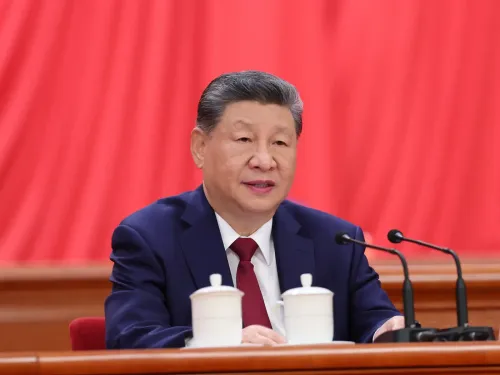
Chinese President Xi Jinping's latest move to tighten restrictions on cross-border capital flows may paradoxically accelerate the very exodus it seeks to prevent, according to a new report. Rather than stemming capital flight, analysts warn the clampdown will push ordinary Chinese households toward underground channels — and ultimately, permanent emigration.
The Crackdown and Its Scope
On 22 May, the China Securities Regulatory Commission (CSRC) launched a sweeping crackdown on overseas fund channels, ordering Hong Kong and Singapore brokerages to wind down their cross-border businesses. Officially, the measures target 'illicit' capital flows, but experts cited in the report argue the clampdown reflects growing insecurity within the Chinese administration about the pace of wealth leaving the country.
The effects, analysts warn, will ripple far beyond the intended scope and risk unsettling Hong Kong's financial sector — a hub that has long served as a conduit between mainland China and global markets.
Contradictions With Xi's Own Pledges
Critics argue the restrictions directly contradict Xi Jinping's 2013 pledge to allow markets to play a 'decisive' role in the economy. The report draws parallels with earlier government interventions — including the regulatory crushing of Jack Ma's Alibaba and restrictions placed on AI researchers' travel abroad — as evidence of a pattern of political overreach into economic affairs.
'The Chinese Communist Party (CCP) treats symptoms while ignoring root causes. Ordinary Chinese families feel trapped. With property values collapsing, savings locked in banks, and opaque policies eroding trust, households are desperate to protect their wealth,' the report stated.
How Households Are Responding
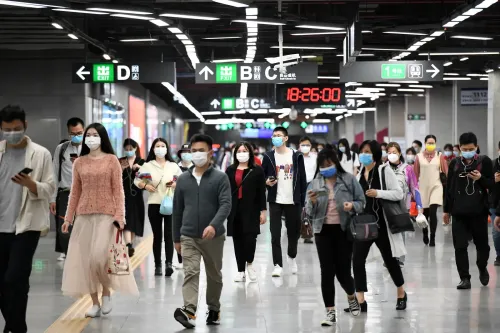
Faced with collapsing property values, restricted bank accounts, and policy opacity, Chinese households are reportedly routing capital to foreign destinations through underground channels before relocating their families abroad permanently. Additional signals of economic suffocation include banks quietly freezing new account openings and regulators closing loopholes that once offered households limited flexibility.
Notably, this is not an isolated response — it fits a broader pattern of high-net-worth and middle-class Chinese citizens seeking residency or citizenship abroad, a trend that accelerated sharply after 2020.
The People's Bank of China's Reform Attempts
Meanwhile, the People's Bank of China (PBoC) is reportedly experimenting with reforms to modernise its monetary framework, including a possible shift to a US Federal Reserve-style overnight policy rate. Such a move could, in theory, improve transparency, attract foreign investors, and strengthen the yuan's credibility as a global reserve currency.
However, analysts caution that without genuine institutional independence from political interference, these reforms risk being cosmetic. 'The ruling party's tendency to micromanage policy decisions limits transparency and erodes investor trust. Until the central bank is granted autonomy to act free of political pressure, reforms will remain partial at best,' the report noted.
What This Means for Global Markets
The intersection of tighter capital controls and incomplete monetary reform creates a volatile mix for global investors. If household outflows accelerate through informal channels, the CSRC crackdown may achieve the opposite of its stated goal — reducing confidence in China's financial system rather than stabilising it. The outcome will be closely watched by emerging market investors and policymakers across Asia.
Point of View
The faster households seek exits through informal channels, accelerating the very outflow the CSRC is trying to stop. What is missing from mainstream coverage is the structural dimension — this is not a policy tweak but a symptom of a deeper crisis of institutional credibility, where collapsing property wealth and opaque bank policies have already broken household trust. The PBoC's Fed-style rate reform is real but secondary; no monetary modernisation survives political micromanagement. The more consequential story is whether Hong Kong's role as a financial bridge survives a mainland that increasingly treats cross-border capital as a threat rather than an asset.
NationPress
24 Oct 2026
Frequently Asked Questions
What is China's new cross-border capital flow crackdown?
The China Securities Regulatory Commission launched a crackdown on 22 May, ordering Hong Kong and Singapore brokerages to wind down cross-border fund businesses. The stated aim is to target illicit capital flows, but analysts say the move reflects broader anxiety within the Chinese administration about accelerating household wealth outflows.
Why are Chinese households moving capital abroad?
According to the report, Chinese households are responding to collapsing property values, banks quietly freezing account openings, and opaque government policies that erode financial trust. Feeling trapped, many families are routing savings through underground channels before relocating abroad permanently.
How does the crackdown contradict Xi Jinping's earlier pledges?
Xi Jinping pledged in 2013 that markets would play a 'decisive' role in China's economy. Critics argue the CSRC restrictions — along with past interventions such as the regulatory action against Alibaba — directly contradict that commitment and signal growing political control over economic decisions.
What is the People's Bank of China considering as a reform?
The People's Bank of China is reportedly exploring a shift to a US Federal Reserve-style overnight policy rate, which could improve monetary transparency and strengthen the yuan's credibility as a reserve currency. However, analysts warn these reforms will remain superficial without genuine independence from political interference.
How could this affect Hong Kong's financial sector?
Hong Kong has long served as a financial bridge between mainland China and global markets. The CSRC crackdown on cross-border fund channels could unsettle that role, reducing Hong Kong's attractiveness as a hub for international investors and further complicating its already strained position as a global financial centre.