US Naval Leaders Warn of China's Growing Undersea Capabilities
Synopsis
As China aggressively works to diminish the US's historical undersea advantage, two senior naval leaders highlight the pressing need for enhanced military readiness and collaboration with allies.
Key Takeaways
China is rapidly modernizing its submarine fleet , challenging US dominance.
US naval leaders emphasize the importance of maintaining stealth and operational readiness.
Collaboration with allies is crucial for countering China's maritime strategies .
The undersea domain plays a vital role in global data and economic stability.
By 2040, China's undersea forces may credibly challenge US maritime supremacy.
Washington, March 3 (NationPress) - China is making significant investments aimed at diminishing the United States’ long-standing undersea dominance, as reported by two high-ranking US naval officials during a legislative hearing.
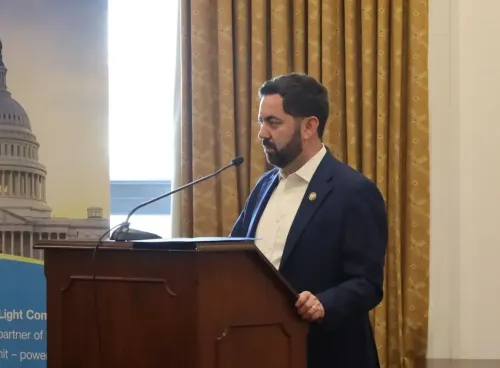
The hearing, convened by the US-China Economic and Security Review Commission, was titled “Part of Your World: US-China Competition Under the Sea.”
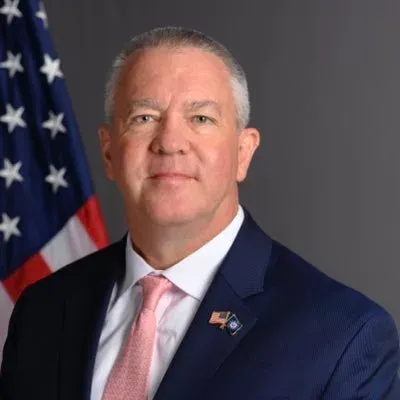
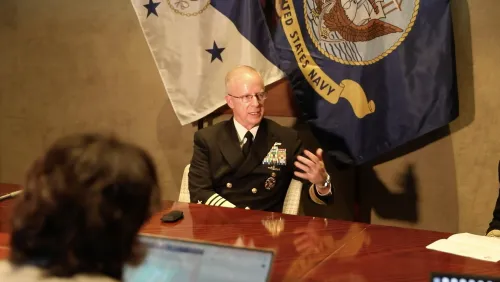
Vice Admiral Richard Seif, who commands US Naval Submarine Forces, emphasized that while the US maintains a robust undersea advantage, this position is increasingly challenged.
“The military superiority of the United States beneath the ocean has historically served as a crucial factor for deterrence and combat effectiveness in the Indo-Pacific region,” Seif stated. He cautioned that “advantages will diminish if they are not upheld.”
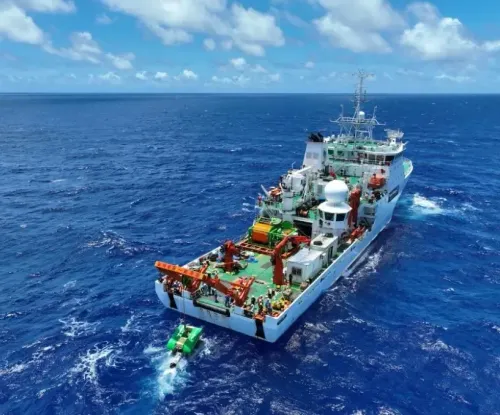
Seif highlighted that China is actively working to reduce the US's “stealth margin,” citing rapid advancements in submarine technology, enhanced anti-submarine warfare capabilities, and complex seabed-sensing networks, often referred to as an “Underwater Great Wall.”
According to Seif, these investments by Beijing are designed to restrict US operational freedom in critical maritime areas, particularly around strategic chokepoints and within the first island chain.
He identified four fundamental advantages in the underwater environment: stealth and survivability, power projection, sea denial and control, and strategic deterrence.
“Submarines are the most enduring military assets,” he noted, stressing their capacity to operate undetected, which is essential for credible US response strategies during crises.
Seif warned that even slight enhancements in Chinese submarine quieting, sensing technology, and weaponry could disrupt the balance in contested waters.
To maintain the US advantage, he advocated for prioritizing submarine readiness, bolstering the industrial base, expediting maintenance processes, investing in unmanned systems, and enhancing collaboration with allies.
“The optimal submarine is one that is prepared, staffed, and positioned when required,” he remarked.
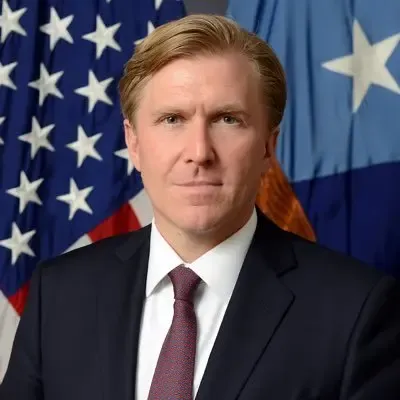
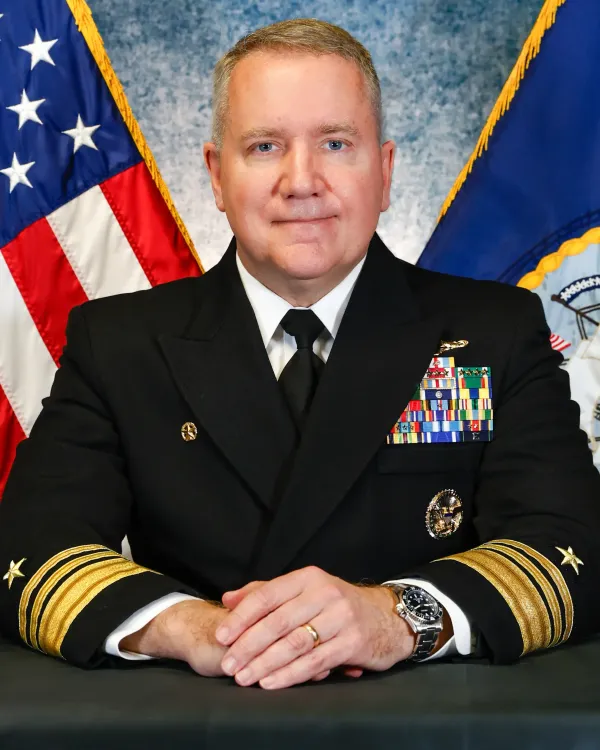
Rear Admiral Mike Brookes, who leads the Office of Naval Intelligence, echoed these concerns.
He pointed out that China’s undersea modernization is part of a wider initiative to challenge US maritime supremacy.
China boasts “one of the largest submarine fleets globally,” with over 60 vessels, including nuclear-powered attack submarines, ballistic missile submarines, and advanced diesel-electric platforms, Brookes testified.
He indicated that Beijing is transitioning towards a predominantly nuclear-powered fleet and expanding production capabilities to support growth through the 2030s.
Brookes characterized China’s “systems confrontation” strategy, which integrates submarines, aircraft, seabed sensors, and unmanned platforms into a cohesive anti-submarine network.
The objective, he explained, is to enhance detection and tracking of US submarines in strategically critical waters and to increase the costs associated with American intervention during crises.
Brookes also highlighted China’s commitment to developing unmanned undersea vehicles, seabed sensor networks, and deep-sea mining technologies.
“China is adopting a comprehensive strategy that connects military strategy, naval modernization, seabed infrastructure, and resource extraction,” he said.
He cautioned that undersea cables and seabed systems could become targets in the event of conflict.
By 2040, Brookes suggested that the PLA Navy’s undersea capabilities “may pose a credible challenge to US regional maritime dominance,” complicating crisis management and allied defense strategies in the Indo-Pacific.
Both officers emphasized that the concern is not about achieving full transparency of the ocean; rather, it is about diminishing the US stealth advantage in crucial areas.
They noted that the implications extend beyond military balance, as the undersea realm supports the majority of global data transmission and financial transactions. This makes the security of undersea cables and seabed resilience vital for economic stability.
For India and other nations in the Indo-Pacific, the testimony underscored China’s expanding submarine capabilities and increasing presence in the Indian Ocean.
The consensus from the hearing was clear: while the United States retains a significant undersea advantage, sustaining it will necessitate ongoing investment, innovation, and close collaboration with allies as competition intensifies beneath the waves.
Point of View
The testimony underscores the urgent need for the US to adapt its naval strategy in response to China's ambitious undersea initiatives. Maintaining dominance requires not only investment but also innovation and strategic partnerships.
NationPress
15 Oct 2026
Frequently Asked Questions
What is the significance of China's undersea modernization?
China's undersea modernization poses a direct challenge to US maritime supremacy, potentially altering the balance of power in strategic waters.
How many submarines does China operate?
China operates one of the largest submarine fleets in the world, comprising over 60 submarines, including advanced nuclear and diesel-electric platforms.
What are the key advantages of US submarines?
The core advantages of US submarines include stealth, survivability, power projection, sea denial, and strategic deterrence.
What are the potential implications of China's submarine capabilities?
China's growing submarine capabilities could complicate US crisis response and threaten regional maritime dominance, particularly in the Indo-Pacific.
What strategies are suggested to maintain US undersea advantage?
Key strategies include increasing submarine readiness, enhancing industrial support, investing in unmanned systems, and fostering allied interoperability.