Cholera Outbreak in Pakistan: How Many Lives Have Been Lost?
Synopsis
A troubling cholera outbreak in Pakistan's Balochistan province has led to the deaths of eight people, including six children. This alarming situation highlights the urgent need for medical response and preventative measures as health officials scramble to address the rising cases and safeguard the community.
Key Takeaways
Eight lives lost in a cholera outbreak in Balochistan.
Temporary hospital set up for emergency treatment.
Government and health officials are responding rapidly.
National Cholera Control Plan aims for 90% reduction in mortality.
Access to clean water remains a critical issue.
Islamabad, Dec 13 (NationPress) A cholera outbreak in the southwest region of Pakistan's Balochistan province has tragically claimed the lives of at least eight individuals, including six children, this week. This surge brings the total death toll to 12 over the past three weeks, as reported by local health officials on Saturday.
The recent fatalities occurred in the Cheena Khundi area of Musakhel district, where the District Health Officer, Abdul Ghaffar Khetran, informed Xinhua news agency that both adult men and the children succumbed to the illness. Medical teams from Quetta, Loralai, and Barkhan have been dispatched to the impacted area, with essential medicines delivered as per the orders of the provincial director general of health.
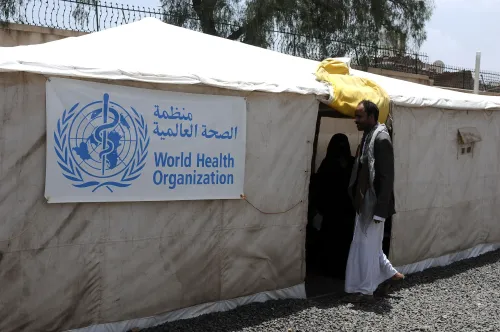
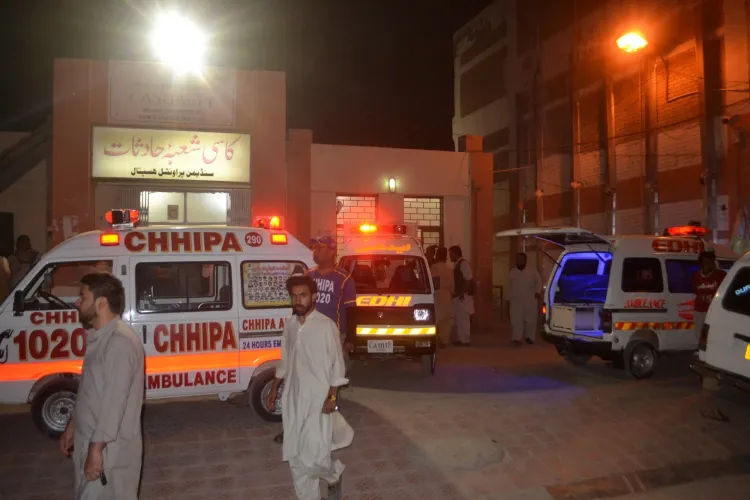
In response to the urgent need for medical care, a government school has been repurposed as a temporary hospital to provide emergency treatment to affected individuals, the official added.
Currently, there are at least 14 cholera patients receiving treatment in the area, according to health authorities.
Health officials have initiated the collection of water samples to identify the source of this outbreak.
Earlier this year, Pakistan's Ministry of Health, in collaboration with the World Health Organization (WHO), launched the National Cholera Control Plan 2025–2028. This initiative aims for a 90 percent reduction in mortality rates by 2030 and intends to prepare the country to effectively prevent, detect, and respond to cholera outbreaks amidst severe climate change-linked disasters.
From January 2023 to July 2025, Pakistan has reported an annual average of over 21,000 suspected and 250 confirmed cholera cases.
The WHO explains that cholera is an acute infection caused by consuming food or water contaminated with the Vibrio cholerae bacteria, leading to life-threatening diarrhea that necessitates immediate medical attention.
As noted by the WHO in July, cholera is a notifiable endemic disease in Pakistan, primarily affecting densely populated urban areas with limited access to clean drinking water, sanitation, and hygiene.
Point of View
The cholera outbreak in Balochistan is a stark reminder of the ongoing public health challenges that Pakistan faces. While the government and health authorities are working diligently to mitigate the crisis, it is imperative for the nation to enhance infrastructure and access to clean water and sanitation. The implementation of the National Cholera Control Plan is crucial in preventing future outbreaks and ensuring the safety of our citizens.
NationPress
20 Sept 2026
Frequently Asked Questions
What areas are affected by the cholera outbreak in Pakistan?
The cholera outbreak has primarily affected the Cheena Khundi area in Musakhel district, Balochistan province.
How many people have died due to the cholera outbreak?
At least eight people, including six children, have died, raising the total death toll to 12 over the past three weeks.
What steps are being taken to address the outbreak?
Medical teams have been dispatched to the area, and a government school has been converted into a temporary hospital to provide emergency treatment.
What is the National Cholera Control Plan?
It is an initiative launched by Pakistan's Ministry of Health and WHO aimed at reducing cholera mortality rates by 90% by 2030.
What causes cholera?
Cholera is caused by ingesting the bacteria Vibrio cholerae, typically found in contaminated water or food, leading to severe diarrhea.