Should the US Strengthen Its Ties with India?
Synopsis
Shri Thanedar, an Indian American Congressman, urges for a stronger partnership between India and the US during the inaugural India Abroad Dialogue in Detroit. He emphasizes the necessity of expanded immigration and increased civic engagement among Indian Americans, marking a pivotal moment for the diaspora's role in US politics.
Key Takeaways
Strengthened India-US ties are crucial for both nations.
Enhanced immigration pathways can foster economic growth.
Indian Americans play a vital role in US technological competitiveness.
Civic engagement among Indian Americans is essential for representation.
Addressing hate and discrimination is critical for societal harmony.
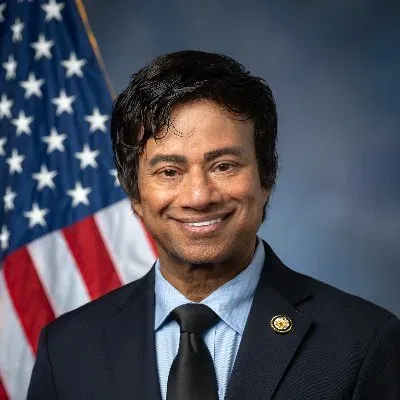
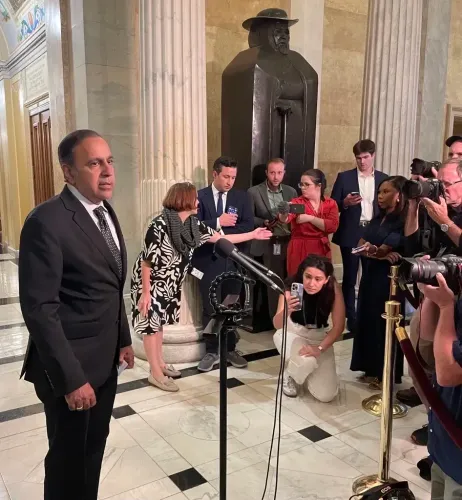
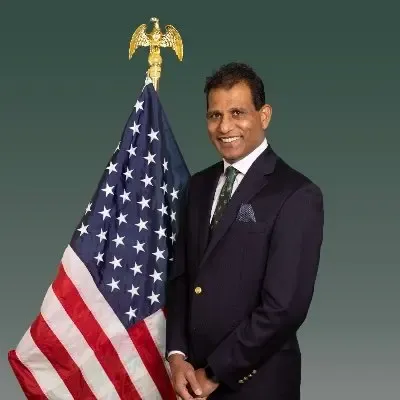
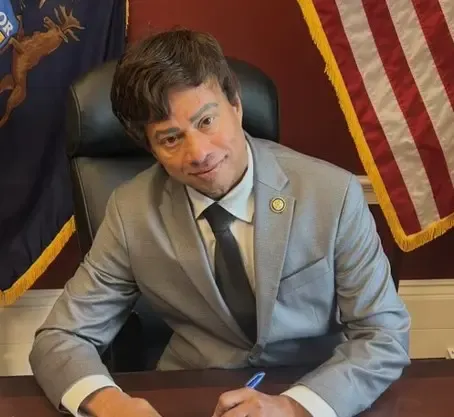
Detroit, December 14 (NationPress) Indian American Congressman Shri Thanedar passionately advocated for enhanced ties between India and the United States, emphasizing the need for expanded immigration opportunities and increased civic involvement from the Indian American community.
“A robust relationship between India and America is advantageous for both nations,” Thanedar remarked during his keynote address to prominent community leaders at the inaugural India Abroad Dialogue in Detroit, the automotive hub of the globe, as he highlighted the strategic, economic, and interpersonal foundations of this bilateral partnership.
Representing Michigan's 13th Congressional District, Thanedar commended Indian immigrants for contributing invaluable STEM and entrepreneurial skills essential for bolstering the economy, linking their contributions directly to America’s technological and economic edge.
He expressed gratitude to India Abroad for initiating a 10-city national dialogue series, adding, “Give yourselves a round of applause.”
Beginning in Detroit, the India Abroad Dialogue is being hosted in collaboration with the Foundation of India and Indian Diaspora Studies (FIIDS) and various community groups. The next event is set to occur in Chicago, featuring Congressman Raja Krishnamoorthi and prominent Indian American Dr. Bharat Barai.
Thanedar stated that dialogues like this are “essential for fostering connections between American policymakers and the Indian-American diaspora, which has often been overlooked and underrepresented in national political discussions.”
He drew comparisons between the revival of Detroit and the Indian American narrative, highlighting the city's resurgence after its bankruptcy declaration 12 years ago. “Detroit has reemerged as a global manufacturing and technology hub, continuing to produce the vehicles that drive the world,” he noted.
Pointing to the evolving economy of Michigan, Thanedar highlighted growth in financial services and digital assets, stating that Detroit has become “the largest city in the United States to accept cryptocurrency for city fees and taxes.” He credited immigrants, especially Indian Americans, for rejuvenating the local economy. “Daily, you are fostering economic growth, creating jobs, and inspiring hope across every neighborhood in this great city,” he remarked.
Thanedar elaborated on his own experiences, stating, “Prior to my congressional role, I was a serial entrepreneur throughout my life. I developed companies that introduced life-saving medicines to the market.” This background, he reflected, informs his dedication to immigrant entrepreneurs, recognizing the challenges they face. “I know the hurdles our immigrant entrepreneurs encounter because I have lived them,” he stated to the audience.
On the subject of foreign policy, Thanedar asserted that India and the United States are “natural partners sharing democratic values and pivotal economic and strategic interests,” referencing collaboration in defense, technology, education, supply-chain resilience, and counterterrorism. He emphasized Michigan's significance in this relationship, from the automotive sector to advanced manufacturing and engineering talent.
The Congressman also addressed the rapid advancements in emerging technologies, noting that innovation in artificial intelligence, advanced computing, mobility, and semiconductors is progressing at an “incredibly swift pace.” However, he cautioned that the workforce needs to be prepared so technology serves as a “job creator rather than a job replacer.”
The theme of immigration remained central in his speech. “History has shown us clearly: immigration has been a tremendous asset to America,” Thanedar stated, calling India “an incredible source of exceptional talent in STEM, particularly in the tech industry.” He acknowledged the community's concerns, noting that Indian Americans are navigating a “frightening era” due to green card delays and uncertainties around H-1B visas, pledging to advocate for reform.
Thanedar underscored tangible economic connections, pointing out that Ford Motor Company plans to invest 32.5 billion rupees in India, and Apple has expanded iPhone production across several Indian factories. “This is a win for Michigan, and it is a win for India,” he declared.
Furthermore, he denounced hate and discrimination, referencing the rise in reports of anti-Hindu violence. Thanedar stated he had spearheaded an Anti-Hinduphobia Resolution to denounce “anti-Hindu bigotry, hate, and intolerance,” asserting, “There is no place for religious hatred in our society.”
Thanedar called for increased civic engagement, urging Indian Americans to “get involved in civic activities,” including voting and volunteering. “We are a strong, proud community, and when we unite, we can achieve anything we set our sights on,” he stated.
Over the past two decades, India and the United States have significantly advanced their cooperation, with defense alliances, trade partnerships, technological collaborations, and diaspora engagement becoming crucial elements of the relationship. Today, over five million Indian Americans represent one of the most educated and economically prosperous immigrant communities in the country.
The India Abroad Dialogue series aims to create a national platform for policy discussions involving lawmakers, business leaders, and the Indian American community, commencing in Detroit and extending to other major U.S. cities.
Point of View
It's essential to recognize the growing influence of the Indian American community in shaping US policy. Congressman Thanedar's call for deeper ties between India and the United States reflects a broader trend of increasing diaspora engagement in national dialogues. This development is pivotal for fostering inclusive governance and acknowledging the contributions of immigrant communities.
NationPress
30 Sept 2026
Frequently Asked Questions
What are the key points made by Congressman Thanedar?
Congressman Thanedar emphasized the importance of stronger India-US ties, expanded immigration pathways, and greater civic engagement from Indian Americans.
What is the India Abroad Dialogue?
The India Abroad Dialogue is a national series aimed at fostering discussions between lawmakers, business leaders, and the Indian American community, starting in Detroit.
How does the Indian American community contribute to the US economy?
Indian Americans bring valuable STEM skills and entrepreneurial spirit, which significantly enhance technological and economic competitiveness in the US.
What challenges are Indian Americans facing currently?
Indian Americans are navigating issues such as green card backlogs and uncertainties surrounding H-1B visas.
What stance does Congressman Thanedar take on hate and discrimination?
He condemns hate and discrimination, particularly anti-Hindu violence, and advocates for tolerance and respect in society.