UN torture committee flags Pakistan's Afghan deportations, Imran Khan detention
Synopsis
The UN's top torture watchdog has called out Pakistan on two fronts simultaneously — its mass deportation of Afghan refugees under a 2023 plan that bypasses individual protection assessments, and the arbitrary detention of political figures including former PM Imran Khan. The findings mark a significant escalation in international scrutiny of Islamabad's human rights record.
Key Takeaways
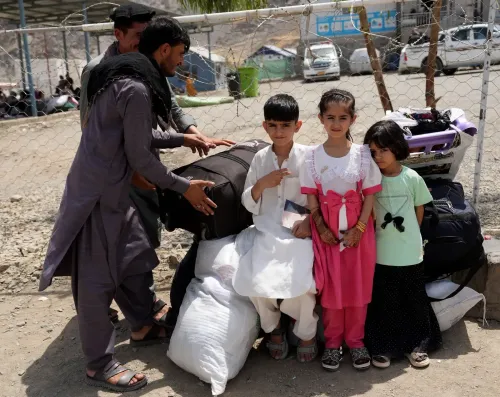
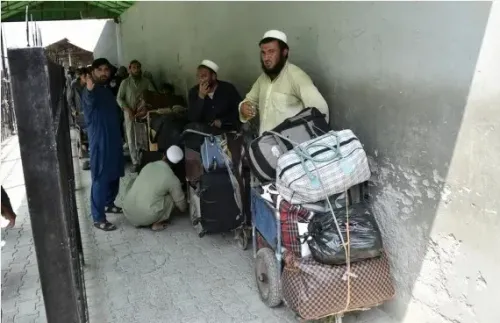
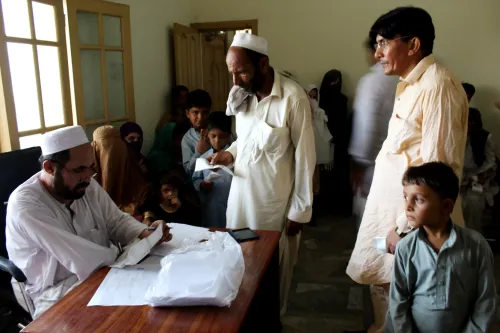
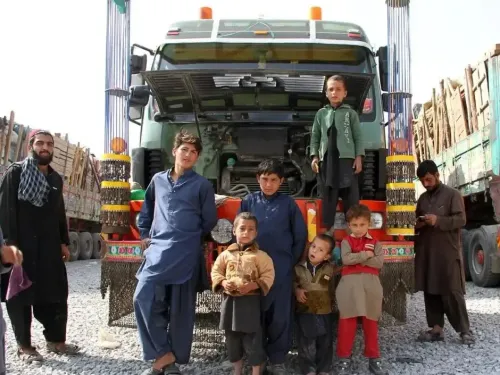
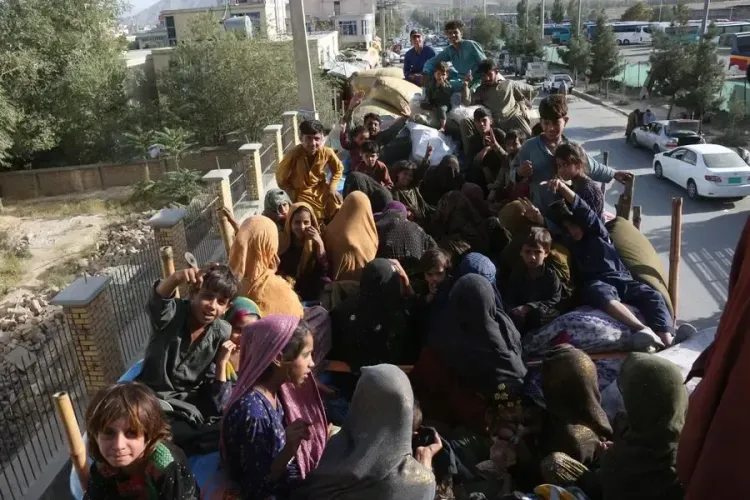
The UN Committee against Torture (CAT) flagged Pakistan's 2023 Illegal Foreigners' Repatriation Plan for enabling mass deportations of Afghan refugees , including children, without individual protection assessments.
Coercive tactics reportedly used include harassment, police abuse, extortion, raids, and arbitrary detention of Afghan nationals.
The CAT urged Pakistan to repeal or review the 2023 Repatriation Plan and investigate police abuse allegations.
The Committee raised concerns over torture and retaliation against journalists, lawyers, activists, and political opponents across Pakistan.
Former PM Imran Khan , his wife Bushra Bibi , and activists Idris Khattak , Ali Wazir , and Mahrang Baloch were cited as cases of confirmed arbitrary detention with inadequate medical access.
The United Nations Committee against Torture (CAT) has expressed grave concerns over Pakistan's mass deportation of Afghan refugees, including children, following the adoption of the 2023 Illegal Foreigners' Repatriation Plan, warning of serious risks of refoulement and the absence of individual protection assessments. The findings were issued from Geneva and published on 2 May.
Coercive Measures Against Afghan Nationals
In its assessment of Pakistan's implementation of the Convention against Torture and Other Cruel, Inhuman or Degrading Treatment or Punishment, the Committee raised alarm over systematic pressure tactics deployed against Afghan nationals — including registered refugees — to compel their return to Afghanistan, a country where many face documented risks of persecution and torture.
"These coercive measures reportedly include harassment and intimidation, threats of deportation, police abuse, extortion, raids and arbitrary detention," the Committee noted in its findings.
The CAT urged Pakistani authorities to consider repealing or reviewing the 2023 Illegal Foreigners' Repatriation Plan, warning of the serious risks it poses to non-citizens, particularly Afghan nationals. It also called for a thorough investigation into allegations of police abuse, with those found responsible to be disciplined or criminally prosecuted.
Broader Human Rights Concerns Across Pakistan
Beyond the refugee crisis, the Committee highlighted widespread reports of torture, ill-treatment, and retaliation targeting human rights defenders, civil society activists, journalists, lawyers, political opponents, and protesters across Pakistan.
"These acts include intimidation, threats, harassment, excessive use of force, arbitrary arrest and detention, prosecution on politically motivated charges, including before military courts, enforced disappearance and extrajudicial execution," the Committee stated.
The CAT called on Pakistani authorities to take necessary measures to ensure adequate protection from torture and reprisals, conduct thorough investigations into all human rights violations, bring perpetrators to justice, and provide effective remedies to victims.
Imran Khan, Bushra Bibi and Other Detainees
The Committee specifically expressed concern over the situation of former Pakistani Prime Minister Imran Khan and his wife Bushra Bibi, as well as activists including Idris Khattak, Ali Wazir, and Mahrang Baloch. It noted that their "arbitrary detentions" had been confirmed by the United Nations Working Group on Arbitrary Detention, with particular concern flagged over their lack of access to adequate medical care.
The Committee recommended that Pakistan, as a state party to the Convention, review the situation of all individuals allegedly detained on political grounds or in retaliation for their work, while ensuring their access to medical care during detention.
What Comes Next
Pakistan is now under international pressure to respond formally to the CAT's recommendations. The findings add to a growing body of UN scrutiny over Islamabad's treatment of both foreign nationals and domestic dissidents. Whether the Pakistani government will act on the Committee's call to repeal or revise the 2023 Repatriation Plan — or engage with the UN Working Group's findings on political detainees — remains to be seen.
Point of View
But the explicit invocation of refoulement risk and the naming of Imran Khan alongside registered refugees signals that the UN views these as part of a systemic pattern, not isolated incidents. Islamabad has historically responded to such findings with procedural acknowledgements and little substantive change. The real test is whether the international community — particularly Gulf states and China, Pakistan's key backers — applies any downstream pressure, or whether this report joins a long queue of UN findings that Pakistan has absorbed without consequence.
NationPress
22 Sept 2026
Frequently Asked Questions
What is the UN Committee against Torture's finding on Pakistan?
The UN Committee against Torture (CAT) found that Pakistan's 2023 Illegal Foreigners' Repatriation Plan enables mass deportation of Afghan refugees, including children, without individual assessment of protection needs, raising serious risks of refoulement. The Committee also flagged coercive tactics including police abuse, raids, and arbitrary detention used against Afghan nationals.
What is refoulement and why is it a concern here?
Refoulement refers to the forced return of individuals to a country where they face serious risks of persecution, torture, or ill-treatment — a practice prohibited under international law. The CAT is concerned that Pakistan's mass deportations of Afghan refugees do not assess individual risks, potentially sending people back to face harm under Taliban rule.
Why did the UN mention Imran Khan in a torture committee report?
The CAT expressed concern over former Pakistani Prime Minister Imran Khan's detention, which the UN Working Group on Arbitrary Detention has confirmed as arbitrary. The Committee flagged a lack of access to adequate medical care for Khan and others including Bushra Bibi, Idris Khattak, Ali Wazir, and Mahrang Baloch.
What has the UN recommended Pakistan do?
The CAT has recommended that Pakistan repeal or review the 2023 Illegal Foreigners' Repatriation Plan, investigate allegations of police abuse against Afghan refugees, protect human rights defenders and journalists from retaliation, and review the cases of all individuals allegedly detained on political grounds while ensuring their access to medical care.
Has Pakistan responded to the UN Committee's findings?
The CAT's findings do not include a formal Pakistani government response at this stage. Pakistan is expected to respond as a state party to the Convention against Torture, though the government's position on the specific recommendations has not yet been publicly stated.