CM Dhami: 35,000+ Govt Jobs Filled in 4.5 Years in Uttarakhand

Synopsis
On Uttarakhand's 26th statehood anniversary, CM Pushkar Singh Dhami claims over 35,000 government appointments in 4.5 years and a crackdown on exam paper-leak networks, framing transparent recruitment as a flagship governance achievement.
Key Takeaways
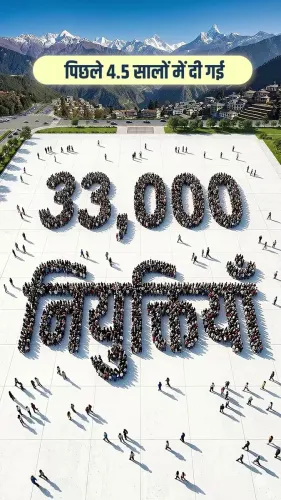
35,000+ government appointments reportedly made in Uttarakhand over the past four-and-a-half years under CM Dhami.
CM Dhami cited action against the 'nakal mafia' (exam-cheating networks) and irregularities in public-sector hiring.
The announcement coincides with Uttarakhand's 26th statehood anniversary , marked on 9 November 2000 .
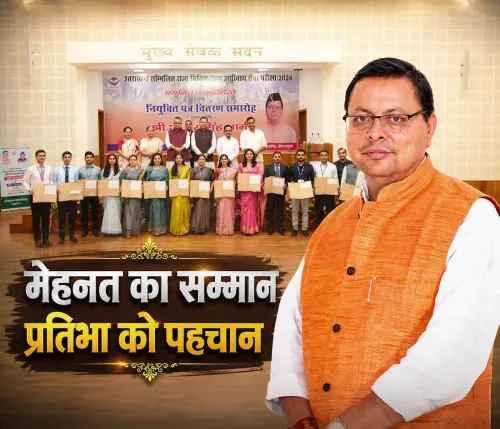
The government claims merit and impartiality have been placed at the centre of all recruitment processes.
Independent verification of the exact appointment figures against public records is pending.
Future scrutiny will focus on unfilled vacancies, fresh recruitment schedules, and any new exam-security legislation.
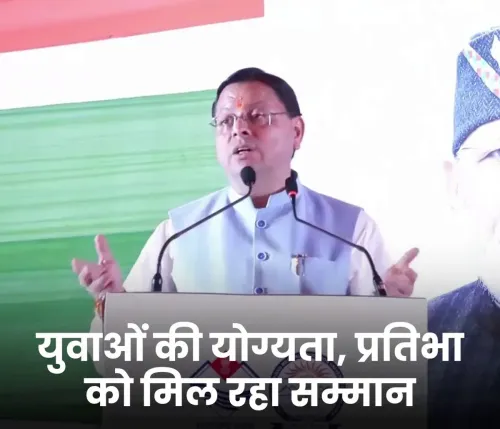
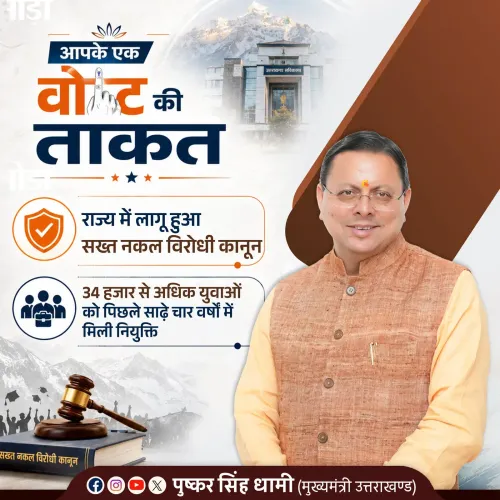
As Uttarakhand marks 26 years of statehood, Chief Minister Pushkar Singh Dhami has put a pointed number on the table — more than 35,000 government appointments delivered in the past four-and-a-half years, backed by what he calls a decisive crackdown on the exam paper-leak networks that had long shadowed public recruitment in the state.
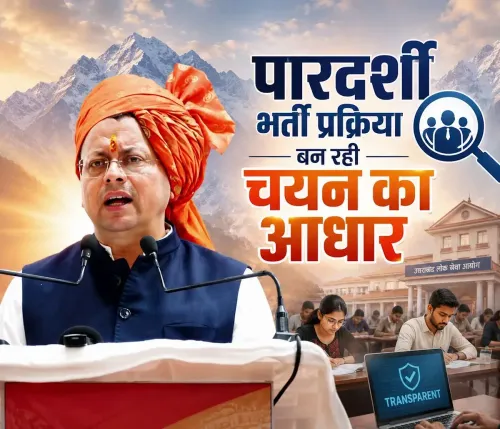
Posting on X on 6 November 2026, CM Dhami framed the milestone squarely against the state's founding anniversary. 'Bharti prakriyaon mein nishpakshata aur yogyata ko sarvopari rakhte hue' — 'keeping impartiality and merit paramount in recruitment processes' — was the governing principle he cited, alongside firm action against what he described as the 'nakal mafia' (exam-cheating networks) and irregularities in hiring.
The 26-year context: statehood, jobs, and broken trust
Uttarakhand was carved out of Uttar Pradesh on 9 November 2000, created in large part on the promise of better governance for a region long neglected by the larger state. For more than two decades, government jobs remained the most reliable aspiration for hill-district youth — and repeated exam scandals eroded trust in the very system meant to serve them. The anniversary, then, is not a neutral backdrop. It is the precise moment when a government wants its record on that original promise measured.
The 'nakal mafia' crackdown and what it signals
Across India over the past decade, paper leaks have become a recurring crisis in public-sector recruitment, triggering protests, court interventions, and demands for exam-authority overhauls in multiple states. Uttarakhand was not spared: successive irregularity allegations had dented confidence in state-level competitive examinations. The Dhami government has repeatedly pointed to enforcement actions and tighter examination-security protocols as its answer. The language in Friday's post — 'decisive action' and an 'effective check on the nakal mafia network' — signals that the administration intends this narrative to anchor its second-term identity.
What young aspirants are watching next
The claim of 35,000-plus appointments covers a broad sweep of state services, though independent verification of the exact figure against official gazette records is pending. What job aspirants and opposition benches will scrutinise is the pipeline ahead: how many vacancies remain unfilled, whether fresh recruitment calendars hold to schedule, and whether any new examination-security legislation reaches the state assembly floor. The anniversary message raises the bar for the government's own accountability — a number stated publicly becomes a benchmark that future cycles will be tested against.
Twenty-six years after a new state was drawn on the map of India with youth employment at its moral centre, the question is no longer whether the system can produce appointments. It is whether the reform holds once the anniversary spotlight moves on.
Point of View
Positioning Uttarakhand as a corrective model. However, the absence of independently verified appointment data means the claim lives primarily in the political register for now. The real test is whether the state sustains recruitment momentum and delivers exam-security legislation that outlasts any single government.
NationPress
6 Nov 2026
Frequently Asked Questions
How many government jobs has the Uttarakhand government provided in the last 4.5 years?
Chief Minister Pushkar Singh Dhami has claimed that over 35,000 youth were appointed to government services in Uttarakhand in the past four-and-a-half years, an announcement made on the occasion of the state's 26th statehood anniversary.
What is the 'nakal mafia' that CM Dhami referred to?
'Nakal mafia' refers to organised networks involved in facilitating cheating and leaking question papers during government recruitment examinations. CM Dhami stated that his government has taken decisive action to dismantle such networks in Uttarakhand.
When was Uttarakhand formed and when is its statehood anniversary?
Uttarakhand was established on 9 November 2000 , carved out of Uttar Pradesh. 2026 marks the state's 26th statehood anniversary.
What is Pushkar Singh Dhami's role and party?
Pushkar Singh Dhami is the Chief Minister of Uttarakhand and a leader of the Bharatiya Janata Party (BJP) . He has served as Chief Minister since 2021 .
What reforms has the Uttarakhand government introduced for fair recruitment?
The Dhami government has stated that it prioritised merit and impartiality in all recruitment processes, backed by enforcement actions against exam paper-leak networks. Specific new legislation or institutional changes have not yet been publicly confirmed in detail.