UN torture expert urges Pakistan to grant Imran Khan medical access

Synopsis
A UN torture expert has publicly declared that Imran Khan's reported detention conditions — 33 months of near-total solitary confinement in a windowless cell — exceed the UN's own Mandela Rules. With PTI mobilising a nationwide movement from 5 August and international scrutiny intensifying, Pakistan faces mounting pressure over how it is treating its most prominent political prisoner.
Key Takeaways
UN Special Rapporteur Alice Jill Edwards stated on 30 July that Imran Khan has been held in near-total solitary confinement for 33 months in a windowless cell, exceeding the UN Mandela Rules .
Edwards called on Pakistan to restore humane conditions and allow Khan access to medical examination and treatment of his own choice.
Khan reportedly suffers from an untreated spinal injury (2013) and bullet wounds from a November 2022 assassination attempt.
Edwards also raised concerns over Bushra Bibi Khan 's detention, citing vision loss requiring retinal surgery and denial of independent medical care.
PTI has announced a nationwide movement from 5 August — marking three years of Khan's imprisonment — including public meetings, demonstrations, and a long march.
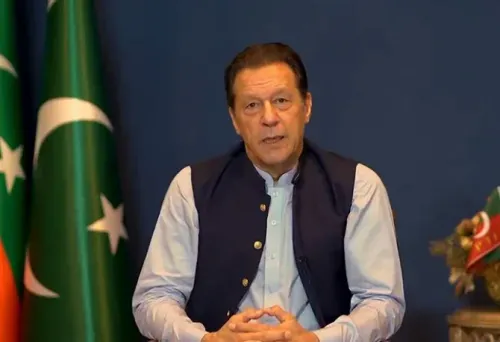
Alice Jill Edwards, the UN Special Rapporteur on torture and cruel, inhuman or degrading treatment, has raised alarm over the detention conditions of former Pakistan Prime Minister Imran Khan, calling on Islamabad to restore humane conditions and allow him to access medical examination and treatment of his own choice. Her intervention, made public on 30 July, marks a significant escalation in international scrutiny of Khan's imprisonment.
What the UN Rapporteur Said
Edwards stated that Imran Khan has been held in near-total solitary confinement for 33 months in a small, windowless cell under 24-hour CCTV surveillance, often going more than two weeks continuously without exercise or meaningful human contact. She wrote in a post on LinkedIn: 'Fmr PM Imran Khan has now been held in near-total solitary for 33 months in a small, windowless cell under 24-7 CCTV. Often more than 2 weeks continuously, without exercise or meaningful human contact. This far exceeds the MANDELA rules.'
The Mandela Rules — the UN's Standard Minimum Rules for the Treatment of Prisoners — prohibit prolonged solitary confinement exceeding 15 consecutive days, classifying it as cruel or inhuman treatment. Edwards indicated that Khan's reported conditions go well beyond that threshold.
Medical Concerns for Khan and Bushra Bibi
Edwards also expressed concern over reports that Khan is being denied appropriate medical care despite suffering from serious health issues. She noted these include a spinal injury sustained in a 2013 accident and bullet wounds from a November 2022 assassination attempt, neither of which, according to her statement, has been adequately treated during his imprisonment.
In a separate post on X, Edwards extended her concerns to Khan's wife, Bushra Bibi Khan, citing reports of prolonged solitary confinement, denial of independent medical care, serious deterioration of her health, and vision loss requiring retinal surgery. 'I call on Pakistan to conduct a prompt, independent investigation into these allegations and to provide her access to all appropriate medical treatment consistent with international law,' she wrote.
Background: Khan's Imprisonment and Legal Cases
Imran Khan has been in prison since August 2023, following convictions that his party, Pakistan Tehreek-e-Insaf (PTI), has consistently described as politically motivated. Since his removal from office in 2022 through a no-confidence vote, Khan has faced multiple legal cases, including allegations involving state gifts and an unlawful marriage case.
This is not the first time international human rights bodies have flagged concerns about his detention. The UN Working Group on Arbitrary Detention had previously examined aspects of his imprisonment, adding to a growing body of international criticism directed at Pakistani authorities.
PTI Plans Nationwide Movement from August 5
Separately, the PTI parliamentary committee has decided to launch a nationwide movement beginning 5 August — a date that will mark three years of Imran Khan's imprisonment — to demand his release and press other political demands. The decision was taken at a meeting chaired by PTI's interim chairman Barrister Gohar Ali Khan.
PTI General Secretary Salman Akram Raja confirmed that lawmakers chose 5 August to begin the campaign, which will include public meetings, demonstrations, and a long march, according to reports in Pakistani daily Dawn.
What Comes Next
Pakistan's government has not publicly responded to Edwards' statement as of the time of reporting. With the UN Rapporteur's intervention now on record, international pressure on Islamabad is likely to intensify ahead of the 5 August PTI mobilisation. Whether Pakistan chooses to engage with the UN mechanism or dismiss the concerns as interference in domestic affairs will be closely watched by rights groups and foreign governments alike.
Point of View
A windowless cell, 24-hour CCTV, and gaps of over two weeks without human contact. Pakistan has so far avoided direct engagement with these mechanisms, but dismissing a sitting Special Rapporteur carries reputational costs at a time when Islamabad is seeking economic goodwill from Western governments. The simultaneous flagging of Bushra Bibi's condition — including potential vision loss — suggests the UN's concerns extend beyond one individual to a broader pattern of detention practices. Whether this translates into any change on the ground, or remains another ignored international rebuke, is the real question.
NationPress
14 Sept 2026
Frequently Asked Questions
What did the UN Special Rapporteur say about Imran Khan's detention?
UN Special Rapporteur Alice Jill Edwards stated that Imran Khan has been held in near-total solitary confinement for 33 months in a small, windowless cell under 24-hour CCTV, often without exercise or human contact for over two weeks at a stretch. She said this far exceeds the UN Mandela Rules and called on Pakistan to restore humane conditions and grant him access to medical treatment of his own choice.
What are the UN Mandela Rules?
The UN Standard Minimum Rules for the Treatment of Prisoners, known as the Mandela Rules, prohibit solitary confinement exceeding 15 consecutive days, classifying prolonged isolation as cruel or inhuman treatment. Edwards cited these rules to argue that Khan's reported conditions violate international standards.
What medical issues is Imran Khan reportedly facing?
According to Edwards, Khan is reportedly suffering from serious health issues including a spinal injury from a 2013 accident and bullet wounds sustained during a November 2022 assassination attempt, neither of which has reportedly been treated appropriately during his imprisonment.
What are the concerns about Bushra Bibi Khan's detention?
Edwards raised concerns about Bushra Bibi Khan's prolonged solitary confinement, denial of independent medical care, serious deterioration of health, and vision loss reportedly requiring retinal surgery. She called for a prompt, independent investigation and access to appropriate medical treatment consistent with international law.
What is PTI planning ahead of August 5?
PTI's parliamentary committee has announced a nationwide movement beginning 5 August, the date marking three years of Imran Khan's imprisonment. The movement, decided at a meeting chaired by interim chairman Barrister Gohar Ali Khan, will include public meetings, demonstrations, and a long march, according to reports in Pakistani daily Dawn.