Pakistan custodial death: Christian man dies under blasphemy detention
Synopsis
Amir Peter, a 61-year-old Christian man in Lahore, died in Pakistani custody on 1 July — never tried, never convicted, but imprisoned on a blasphemy accusation riddled with evidentiary gaps. His advanced dementia had rendered him legally unfit to stand trial. The VOPM calls it proof that in Pakistan, accusation alone can become a death sentence.
Key Takeaways
Amir Peter , 61 , a retired Christian government employee from Lahore's Nishat Colony , died in custody on 1 July .
He was accused under Pakistan's blasphemy laws following a dispute with a shopkeeper; the FIR lacked any specific blasphemous remark.
Peter was declared mentally unfit to stand trial after doctors confirmed he suffered from advanced dementia .
The Voice of Pakistan Minority (VOPM) stated his allegations were never heard in court and his guilt was never proven.
The VOPM cited allegations that Peter was pressured to confess to a crime he consistently denied.
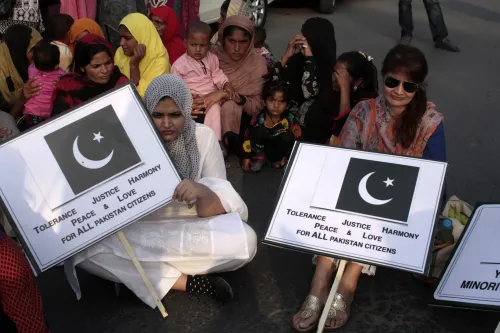
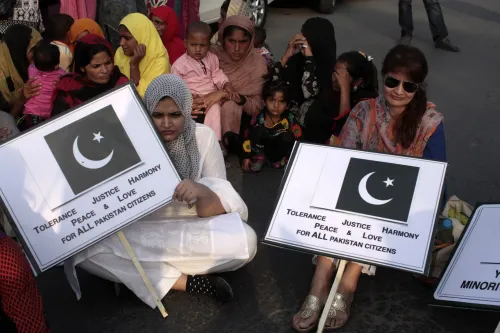
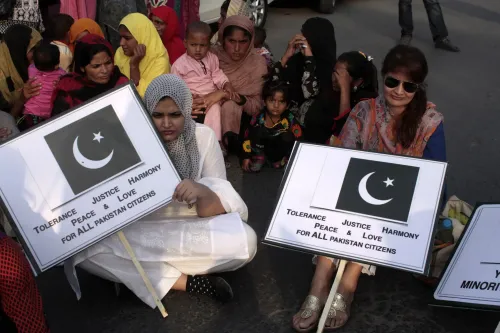
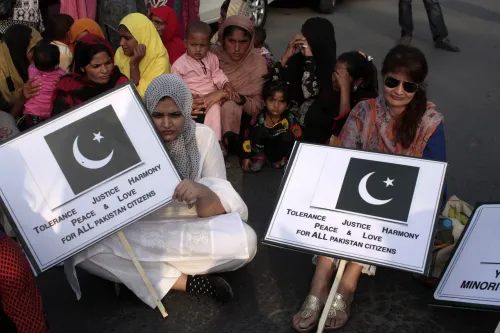
Rights groups argue Pakistan's blasphemy laws are routinely misused against Christians , Hindus , and Ahmadis .
A 61-year-old retired Christian government employee, Amir Peter, died on 1 July while in custody in Lahore, Pakistan, after being accused under the country's blasphemy laws — allegations that were never formally heard in court and never proven, according to the Voice of Pakistan Minority (VOPM). The rights organisation has called his death a 'stark indictment of a system where accusation becomes punishment, and delayed justice quietly turns into a death sentence.'
How the Accusation Began
Peter, a long-time resident of Lahore's Nishat Colony for over four decades, became ensnared in the legal system following a verbal altercation — reportedly involving physical assault — with a local shopkeeper. The shopkeeper subsequently accused Peter of blasphemy under the Pakistan Penal Code. According to the VOPM, the First Information Report (FIR) contained serious deficiencies, including the absence of any specific blasphemous remark. Despite this, Peter was arrested and imprisoned.
'No clear statement. No credible evidence. Just an allegation. And in Pakistan, that is often enough,' the VOPM said, adding that Peter became 'another name in a growing list of individuals — many from religious minorities — trapped in a legal and social nightmare triggered by blasphemy accusations.'
Deteriorating Health and No Legal Relief
As months in detention passed, Peter's health declined sharply. Doctors confirmed he was suffering from advanced dementia, so severe that he was declared mentally unfit to stand trial. The VOPM stressed that at that point, 'the law should have acted with urgency and compassion.' It did not. Peter remained behind bars despite his condition, and his family consistently maintained his innocence throughout.
The rights body also cited troubling allegations that Peter was pressured to confess to a crime he consistently denied. 'If true, this reflects a deeper failure: a system where coercion can replace evidence, and the presumption of innocence is eroded,' the VOPM stated.
A Pattern of Misuse Against Minorities
The VOPM highlighted that Pakistan's blasphemy laws are frequently misused to settle personal disputes and disproportionately target religious minorities, including Christians, Hindus, and Ahmadis. Minor conflicts, the organisation noted, can rapidly escalate into serious accusations where allegations alone trigger threats, violence, and prolonged detention.
'A slow and pressured judiciary further undermines timely justice, making due process unreliable,' the VOPM added. This comes amid sustained international scrutiny of Pakistan's blasphemy framework, which human rights groups have long argued lacks adequate safeguards against false or malicious complaints.
Systemic Failures Highlighted
For Peter — elderly, seriously ill, and belonging to a marginalised minority — the system offered, in the VOPM's words, 'no urgency, no protection, and ultimately, no justice.' His death in custody without ever facing a formal trial underscores what rights advocates describe as a structural failure: the legal process itself functioning as punishment before any verdict is reached.
The VOPM's statement is expected to intensify calls from minority rights groups and international observers for urgent reform of Pakistan's blasphemy laws and stronger protections for accused individuals pending trial.
Point of View
Which means the accusation itself becomes the sentence. The fact that a man with advanced dementia, declared unfit to stand trial, remained imprisoned until he died exposes a judiciary too pressured or too indifferent to intervene. International condemnation has been consistent for years; what is missing is domestic accountability.
NationPress
3 Oct 2026
Frequently Asked Questions
Who was Amir Peter and why was he arrested?
Amir Peter was a 61-year-old retired Christian government employee who had lived in Lahore's Nishat Colony for over four decades. He was arrested after a shopkeeper accused him of blasphemy under the Pakistan Penal Code following a verbal altercation, reportedly involving physical assault.
What does the Voice of Pakistan Minority say about his death?
The VOPM called his death a 'stark indictment of a system where accusation becomes punishment, and delayed justice quietly turns into a death sentence.' The organisation noted that the charges against Peter were never formally heard in court and his guilt was never proven.
Was Amir Peter ever tried for blasphemy?
No. Peter was declared mentally unfit to stand trial after doctors confirmed he was suffering from advanced dementia. Despite this, he remained in detention and died in custody on 1 July without ever facing a formal trial.
How are Pakistan's blasphemy laws misused against minorities?
According to the VOPM, blasphemy laws are frequently invoked to settle personal disputes and disproportionately target Christians, Hindus, and Ahmadis. Allegations alone — even without credible evidence — can trigger arrest, prolonged detention, and social threats, while a slow judiciary makes timely relief rare.
Were there concerns about coercion in Peter's case?
Yes. The VOPM cited troubling allegations that Peter was pressured to confess to a crime he consistently denied. The organisation stated that if true, 'this reflects a deeper failure: a system where coercion can replace evidence, and the presumption of innocence is eroded.'