Yemen displacement crisis: 184,000 flee homes since August as UN warns of worsening aid shortfall
Synopsis
More than 184,000 Yemenis have fled their homes since 1 August, with cholera cases tripling in displacement camps and key roads to Taiz still blocked. The UN is warning that aid resources are being outpaced — a sign that one of the world's longest-running humanitarian emergencies is entering a new and dangerous phase.
Key Takeaways
More than 184,000 people have been displaced across Yemen since 1 August 2026 , according to OCHA citing IOM data.
Over 21,000 people were displaced in the past week alone, signalling an accelerating crisis.
The UN and partners have reached more than 126,000 people with assistance, but needs continue to outpace resources.
Cholera cases have tripled in recent weeks, including in displacement camps; measles, dengue and malaria are also spreading.
Key roads linking Taiz governorate to Hodeidah , Aden and Sanaa remain blocked, restricting aid and commercial supply.
Sharp rises in food and fuel prices are reported, with growing shortages of flour, cooking gas and medicines.
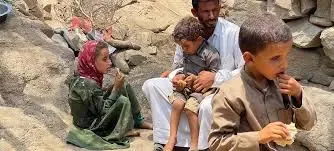
More than 184,000 civilians have been displaced across Yemen since 1 August 2026, with over 21,000 forced from their homes in the past week alone, as the country's humanitarian crisis deepens under the weight of ongoing conflict, disease outbreaks and a critical funding gap. The UN Office for the Coordination of Humanitarian Affairs (OCHA) disclosed the figures on 8 October, citing data from the International Organization for Migration (IOM).
Scale of Displacement
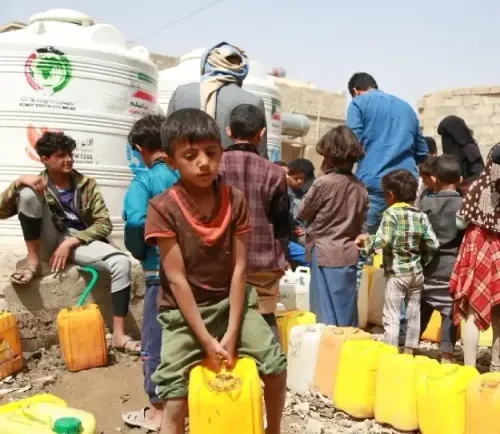
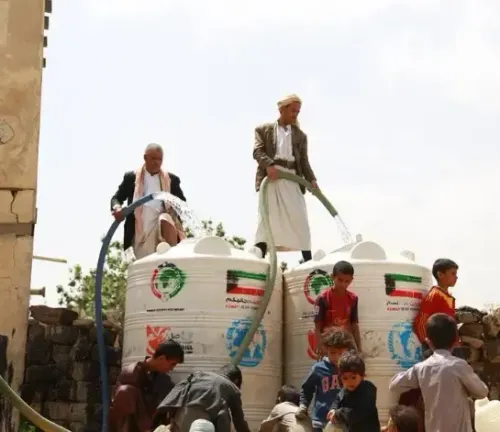
The pace of displacement has accelerated sharply. More than 21,000 people were uprooted in a single week — a figure that underscores how rapidly the situation is deteriorating. OCHA noted that the United Nations and its humanitarian partners have so far reached more than 126,000 people with life-saving assistance, but cautioned that needs are far outstripping available resources.
This comes amid a conflict that has ground on for over a decade, making Yemen one of the world's most protracted humanitarian emergencies. Each new wave of displacement adds pressure to an already overwhelmed aid infrastructure.
Health System Under Severe Strain
The World Health Organization (WHO) has sounded the alarm over major funding shortfalls as rising displacement combines with disease outbreaks to push Yemen's fragile health system to breaking point. According to OCHA, 'Cholera cases have tripled in recent weeks — including in displacement camps — while measles, dengue and malaria continue to spread.'
The convergence of communicable diseases in overcrowded displacement settings is particularly alarming, as cramped conditions and inadequate sanitation accelerate transmission. Notably, cholera has historically surged during periods of intense conflict in Yemen, and the latest tripling of cases fits a grim pattern observed repeatedly since 2016.
Blocked Roads Choke Aid and Commerce
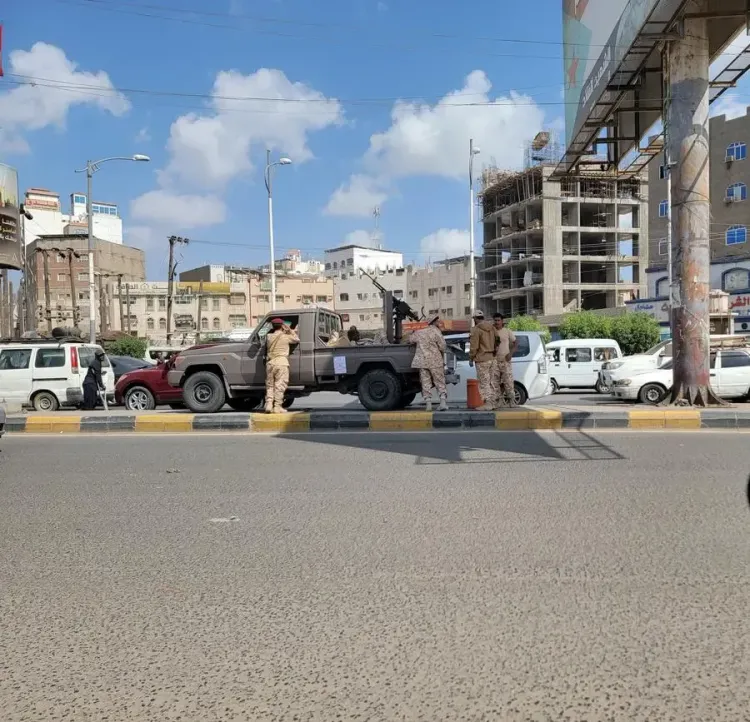
Key roads linking Taiz governorate with major surrounding cities — including Hodeidah, Aden and Sanaa — remain blocked. OCHA warned that the closures are severely restricting civilian movement, commercial supply chains and humanitarian access simultaneously.
Shortages of essential commodities and medical supplies are being reported across affected areas. Sharp increases in food and fuel prices have been recorded, with growing concerns over the availability of flour, cooking gas and medicines — staples whose scarcity can quickly tip vulnerable households into acute crisis.
Civilian Safety and Humanitarian Access at Risk
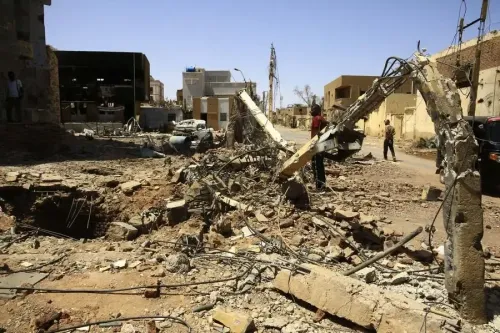
OCHA said it is alarmed by reports of civilian casualties, damage to civilian property and heightened risks from explosive hazards, all of which are further constraining safe movement and the delivery of aid. The office called on all parties to the conflict to protect civilians and to facilitate humanitarian access.
'OCHA continues to assess the humanitarian impact and calls on all parties to protect civilians and facilitate humanitarians' efforts to safely and swiftly reach them with the support they need,' the agency said in its statement.
What Comes Next
With funding shortfalls widening and disease outbreaks accelerating, the coming weeks are likely to see further pressure on UN agencies and international donors to step up contributions. The blocked Taiz corridors remain a critical chokepoint — any easing of access could significantly improve the delivery of food, medicines and fuel to the most affected populations. Without urgent action, analysts and aid officials warn that the displacement toll and health emergency could worsen significantly before the year's end.
Point of View
000 displacement figure since August is striking, but the real signal is the weekly rate: 21,000 in seven days suggests the conflict is entering a hotter phase, not stabilising. The tripling of cholera cases in displacement camps is a compounding alarm — disease historically kills more in Yemen's crises than direct violence does. Blocked roads in Taiz are not a new problem, but their persistence amid acute shortages of flour and medicines points to a deliberate access constraint that funding alone cannot solve. The international community's repeated calls on 'all parties' to protect civilians have not moved the needle; what is missing is measurable pressure tied to specific actors and specific corridors.
NationPress
8 Oct 2026
Frequently Asked Questions
How many people have been displaced in Yemen since August 2026?
More than 184,000 people have been displaced across Yemen since 1 August 2026, including over 21,000 in the past week alone, according to OCHA citing IOM data. The figures point to a rapidly accelerating humanitarian crisis.
What disease outbreaks is Yemen facing amid the displacement crisis?
Cholera cases have tripled in recent weeks, including in displacement camps, while measles, dengue and malaria continue to spread, according to OCHA. The World Health Organization has warned of major funding shortfalls that are hampering the health response.
Why is humanitarian aid struggling to reach Yemenis in need?
Key roads connecting Taiz governorate with Hodeidah, Aden and Sanaa remain blocked, severely restricting civilian movement, commercial supplies and humanitarian access. Reports of civilian casualties and explosive hazards are also constraining aid delivery.
How many Yemenis has the UN been able to assist?
The UN and its humanitarian partners have reached more than 126,000 people with life-saving assistance, but OCHA has warned that needs continue to outpace available resources.
What shortages are being reported in affected areas of Yemen?
Shortages of essential commodities, medical supplies, flour, cooking gas and medicines are being reported, alongside sharp increases in food and fuel prices in areas affected by displacement and conflict.