Yemen conflict displaces 130,000 across seven governorates: IOM
Synopsis
Yemen's displacement crisis is accelerating at a disturbing pace — 11,352 new displacements in just three days, pushing the total past 130,000 across seven governorates. With 760 cumulative airstrikes since the latest escalation and ground battles shifting daily in Taiz, the IOM warning signals a humanitarian emergency deepening faster than international agencies can track it.
Key Takeaways
Nearly 130,000 people have been displaced across seven governorates in Yemen, the IOM reported on 22 September 2025 .
The figure rose by 11,352 in just three days , up from 118,086 recorded on 18 September .
Taiz Governorate hosts the largest share of displaced people at 73,494 .
3,106 people have crossed the Red Sea from Yemen to Djibouti as of Sunday evening.
The Houthi group reported 28 airstrikes in 24 hours and a cumulative total of 760 strikes since the latest escalation began.
Yemen has been in conflict since 2014 , with a Saudi-led coalition intervening in 2015 .
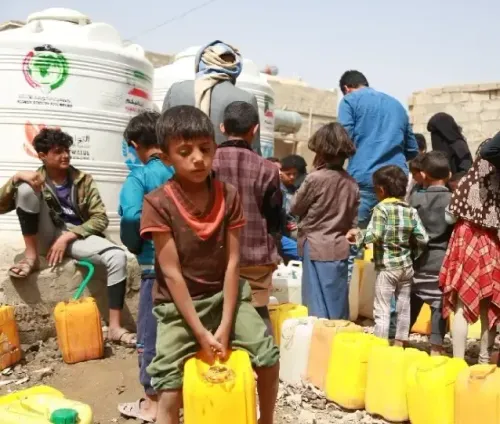
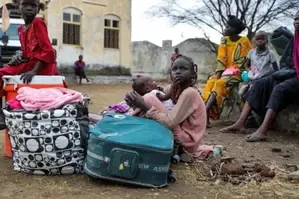
Nearly 130,000 people have been displaced across seven governorates in Yemen as escalating insecurity forces entire communities to flee — many of them for the second or third time — the International Organisation for Migration (IOM) reported on Monday, 22 September 2025. The figure marks a sharp acceleration in displacement, with the toll rising by 11,352 in just three days.
Displacement Numbers Climbing Rapidly
Othman Belbeisi, IOM Regional Director for the Middle East and North Africa, underlined the pace of deterioration. 'The numbers keep climbing. On September 18 we recorded 118,086 displaced people. Three days later, the figure has risen by 11,352,' he said.
According to the latest IOM data, Taiz Governorate bears the heaviest burden, hosting 73,494 displaced individuals — more than half the national total. The IOM also reported that as of Sunday evening, 3,106 people had crossed the Red Sea from Yemen to Djibouti, reflecting the extent to which the crisis is spilling beyond Yemen's borders.
Airstrikes and Ground Battles Intensify
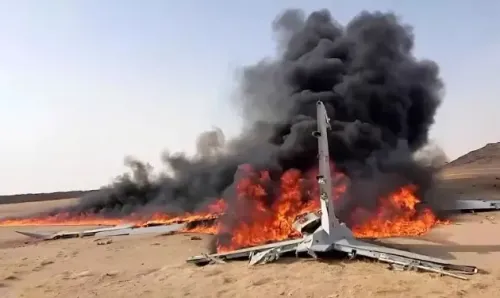
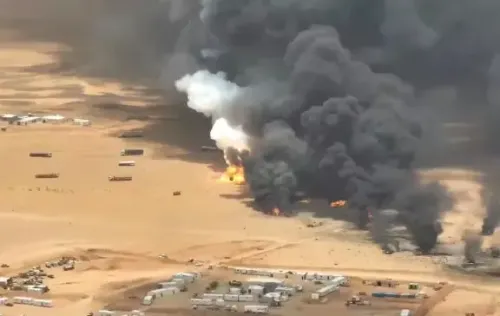
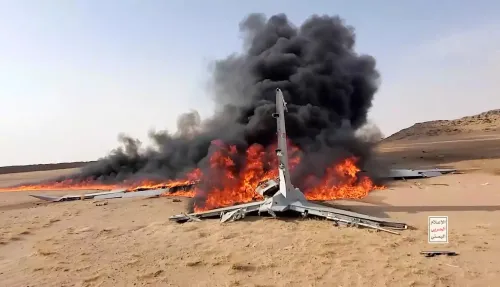
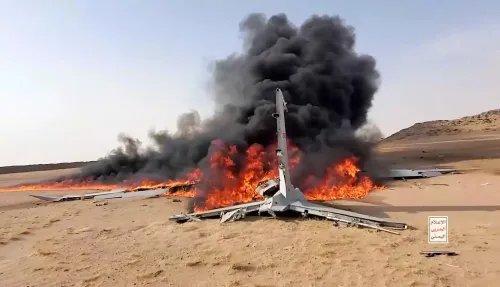
Yemen's Houthi group said on Sunday that 28 airstrikes had hit three provinces over the preceding 24 hours, amid continued ground battles between Houthi fighters and Yemeni government forces across multiple fronts. Houthi military spokesperson Yahya Sarea said in a statement that F-15 and Typhoon fighter jets, operating from the Saudi air bases of Khamis Mushait and Taif, carried out strikes in the southwestern province of Taiz, the northeastern oil-rich province of Marib, and the northern province of Al-Jawf. Sarea put the cumulative number of airstrikes since the latest escalation began at 760. Saudi Arabia had not immediately commented on the latest figures.
Houthi-run al-Masirah TV reported that an airstrike struck a telecommunications tower in Al-Jawf, while areas of northern Saada province along the Saudi border came under artillery fire. The aerial operations coincided with ground fighting in southwestern Yemen, where control of frontline positions has shifted repeatedly in recent days.
Government Forces Report Partial Gains in Taiz
A government military source said on Sunday that government forces had retaken several positions in western Taiz, though the broader front lines remained largely unchanged amid fierce fighting. The shifting battlefield underscores the intractability of a conflict that has now dragged on for over a decade.
A Decade of War and Humanitarian Collapse
Yemen has been engulfed in conflict since 2014, when the Houthi group seized control of parts of the country, including the capital Sanaa. A Saudi-led military coalition intervened the following year in support of the internationally recognised government, setting off a prolonged war that has layered repeated waves of displacement, economic collapse, and recurring natural disasters onto the Yemeni population. Years of cumulative crisis have left millions dependent on humanitarian assistance, with the country consistently ranking among the world's worst humanitarian emergencies.
The latest IOM figures suggest the situation is worsening rather than stabilising, raising fresh questions about the capacity of international agencies to respond. How the conflict evolves on the Taiz and Marib fronts in the coming days will likely determine whether displacement numbers continue their upward trajectory.
Point of View
000 people is a stark indicator that the Yemen conflict has entered a renewed phase of intensity, not a managed stalemate. What deserves closer scrutiny is the geographic concentration: over half of all displaced people are in Taiz alone, a province that has also seen the most contested frontlines — suggesting displacement and active combat are tracking each other closely. The 760 cumulative airstrikes figure, cited only by the Houthi side without Saudi confirmation, illustrates the information asymmetry that continues to cloud international accountability. A decade into this war, the humanitarian response architecture is being tested by a crisis that shows no signs of political resolution.
NationPress
22 Sept 2026
Frequently Asked Questions
How many people have been displaced in Yemen as of September 2025?
Nearly 130,000 people have been displaced across seven governorates in Yemen, according to IOM data released on 22 September 2025. The figure rose by 11,352 in just three days, reflecting a sharp acceleration in displacement driven by escalating insecurity.
Which governorate has the most displaced people in Yemen?
Taiz Governorate hosts the largest number of displaced people, with 73,494 individuals, according to the latest IOM data. It is also one of the most active frontlines between government forces and Houthi fighters.
What triggered the latest escalation in Yemen?
The immediate escalation involves renewed airstrikes and ground battles across Taiz, Marib, and Al-Jawf provinces. The Houthi group reported 28 airstrikes in 24 hours, with a cumulative 760 strikes since the latest round of fighting began, though Saudi Arabia has not confirmed these figures.
How long has the Yemen conflict been going on?
Yemen has been in conflict since 2014, when the Houthi group seized parts of the country including the capital Sanaa. A Saudi-led military coalition intervened in 2015 in support of the internationally recognised government, and fighting has continued for over a decade since.
Are Yemenis fleeing to other countries?
Yes. As of Sunday evening, 3,106 people had crossed the Red Sea from Yemen to Djibouti, according to the IOM. This cross-border movement reflects the severity of conditions inside Yemen and the limited options available to those fleeing the conflict.