UN releases $9 million emergency funds for displaced families in Yemen
Synopsis
With over 100,000 people displaced inside Yemen and 2,400 crossing the sea to Djibouti in just four days — more than 60 per cent of them women, children, and the elderly — UN relief chief Tom Fletcher has fast-tracked $9 million in emergency funds. But aid agencies warn supplies are running dangerously low and access routes remain blocked, raising fears the response could soon be overwhelmed.
Key Takeaways
UN Emergency Relief Coordinator Tom Fletcher released $9 million in emergency funds for displaced Yemeni families and host communities.
Escalating hostilities along Yemen's western coast have displaced more than 100,000 people inside the country.
More than 2,400 people crossed the sea from Yemen to Djibouti in the past four days ; over 60% were women, children, and older people.
Damage to Al Makha port and restricted road access are severely hampering humanitarian operations.
More than 65,000 registered refugees and asylum-seekers inside Yemen — mostly from Somalia and Ethiopia — face renewed risks.
UNHCR is drawing up contingency plans for potential onward refugee movements toward Somalia .
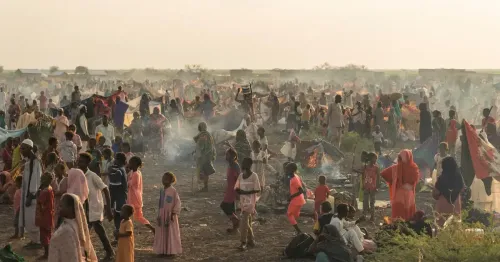
UN Emergency Relief Coordinator Tom Fletcher has released $9 million in urgent humanitarian funds to assist displaced Yemeni families and their host communities, the UN Office for the Coordination of Humanitarian Affairs (OCHA) confirmed on Tuesday. The emergency release comes as escalating hostilities along Yemen's western coast have uprooted more than 100,000 people inside the country, with thousands more fleeing across the Bab al-Mandab Strait into Djibouti.
Scale of the Crisis
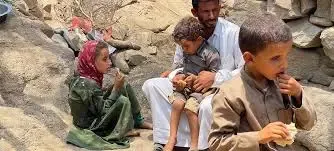
The UN Refugee Agency (UNHCR) says fighting has displaced families across several governorates, raising alarm over further internal displacement and cross-border refugee movements if hostilities intensify. Over the past four days, more than 2,400 people made the perilous sea crossing from Yemen to Djibouti. More than 60 per cent of those arrivals were women, children, and older people — many reaching shore exhausted and carrying little more than what they could grab at short notice.
The UNHCR is also monitoring potential onward movements toward Somalia, where contingency planning is already under way. Of particular concern are more than 65,000 registered refugees and asylum-seekers currently inside Yemen — the majority from Somalia and Ethiopia — who now face renewed and compounded risks.
Access Remains Severely Constrained
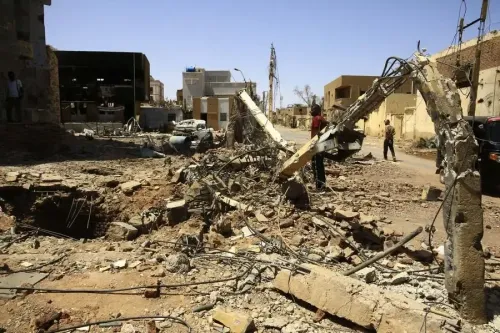
Humanitarian access continues to be a critical obstacle. OCHA reports that movement along key supply routes is restricted or suspended due to insecurity, making it harder to reach communities in dire need. Damaged roads, telecommunications disruptions, and movement restrictions are compounding operational challenges on the ground.
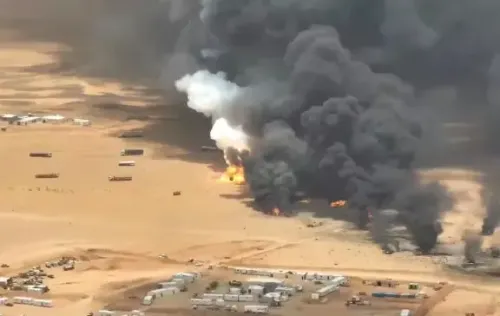
Damage to Al Makha port has further disrupted humanitarian movement and logistics, cutting off a critical entry point for relief supplies. OCHA has called on all parties to the conflict to protect civilians, uphold international humanitarian law, and guarantee safe, unimpeded access for relief workers.
What Aid Workers Are Saying
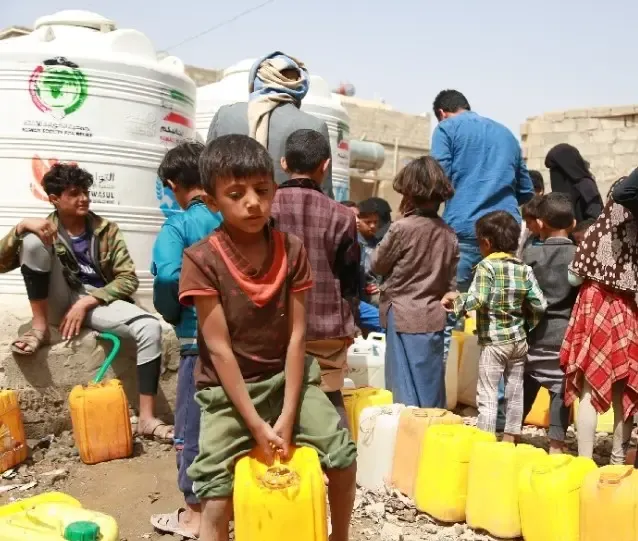
'Shelter, food, clean water, health care and protection services are among the most urgent needs, as receiving communities and displacement sites become overstretched,' the UNHCR said in a statement.
Sandrine Desamours, the UNHCR representative in Djibouti, stressed the urgency of the moment: 'People are arriving after a difficult sea journey, many exhausted, distressed and carrying what little they could take with them. The response is already under pressure. We urgently need more support before more families arrive and needs outpace our capacity to assist them.'
Humanitarian Supplies Running Thin
The UN and its partners say they are continuing to support displaced families and communities caught in the crossfire, but warn that humanitarian supplies and resources are running critically low. The $9 million emergency release is intended to bridge immediate gaps, though aid agencies indicate that the scale of need far outpaces available funding.
With hostilities showing no sign of easing and displacement figures rising by the day, the coming weeks will test the limits of the international humanitarian response in one of the world's most protracted crises.
Point of View
Not a solution — and the UN knows it. Yemen has been the world's worst humanitarian crisis for nearly a decade, yet international funding consistently falls short of assessed needs. The detail that Al Makha port is now damaged is significant: it narrows the already-thin logistics corridor into a country where access was already near-impossible. What mainstream coverage tends to underplay is the compounding vulnerability of the 65,000 third-country refugees trapped inside Yemen — Somalis and Ethiopians who fled one crisis only to be engulfed by another, with nowhere left to run.
NationPress
16 Sept 2026
Frequently Asked Questions
Why has the UN released $9 million in emergency funds for Yemen?
UN Emergency Relief Coordinator Tom Fletcher released the $9 million to provide urgent assistance to displaced Yemeni families and their host communities after escalating hostilities along Yemen's western coast displaced more than 100,000 people. Humanitarian supplies and resources were reported to be running critically low, prompting the emergency release.
How many people have been displaced by the Yemen conflict?
More than 100,000 people have been displaced inside Yemen due to escalating hostilities along the western coast. In addition, more than 2,400 people made the sea crossing to Djibouti in just four days, with over 60 per cent being women, children, and older people.
What challenges are aid agencies facing in Yemen?
Humanitarian access is severely constrained by insecurity, damaged roads, telecommunications disruptions, and movement restrictions. Damage to Al Makha port has further limited the entry of relief supplies, making it harder to reach communities in dire need.
Who are the most vulnerable people affected by the Yemen crisis?
Displaced Yemeni families — many of whom fled with little notice and few belongings — are among the most vulnerable. The UNHCR also flagged particular concern for over 65,000 registered refugees and asylum-seekers inside Yemen, primarily from Somalia and Ethiopia, who now face renewed risks from the escalating conflict.
Is the Yemen crisis spreading beyond its borders?
Yes, thousands of people have already crossed the Bab al-Mandab Strait into Djibouti, and the UNHCR is monitoring the possibility of further movements toward Somalia. Contingency planning for additional refugee arrivals in Somalia is already under way, signalling that aid agencies expect the crisis to have wider regional consequences.