Washington condo dispute gunman kills building manager, wounds 4
Synopsis
A former ER doctor who had been quietly documenting a ruinous condo dispute — $200,000 in fees, retirement savings depleted, penthouse stripped bare — walked into his building's fitness centre on Thursday morning and shot the manager dead. The gunman, Matt Lambert, then wounded four others before killing himself. The story of what drove him there had nearly been published months ago, then vanished when the reporter lost his job.
Key Takeaways
Former ER doctor Matt Lambert shot and killed building manager James Stuart at a Washington condominium fitness centre on 13 November , shortly before 8 am .
Lambert wounded four other people before returning to his apartment and killing himself; one victim was in critical condition.
The shooting followed a prolonged condo dispute in which Lambert allegedly spent nearly $200,000 on legal and engineering fees and borrowed against retirement savings.
Lambert had sued the condominium association in March 2025 , alleging negligence, breach of fiduciary duty, and nuisance; the association denied responsibility.
Journalist Michael Brice-Saddler interviewed Lambert in late 2025 but the story was never published after the reporter was laid off; Lambert never indicated plans for violence, Brice-Saddler wrote.
The incident took place in Washington's Logan Circle neighbourhood, near 15th and P streets Northwest .
A former emergency room doctor, Matt Lambert, who had spent months detailing a bitter dispute over his Washington condominium to a journalist, was identified as the gunman in a shooting that killed the building's manager and left four others wounded on Thursday, 13 November 2026, according to The Washington Sun. The incident unfolded in the city's Logan Circle neighbourhood, near 15th and P streets Northwest.
How the Shooting Unfolded
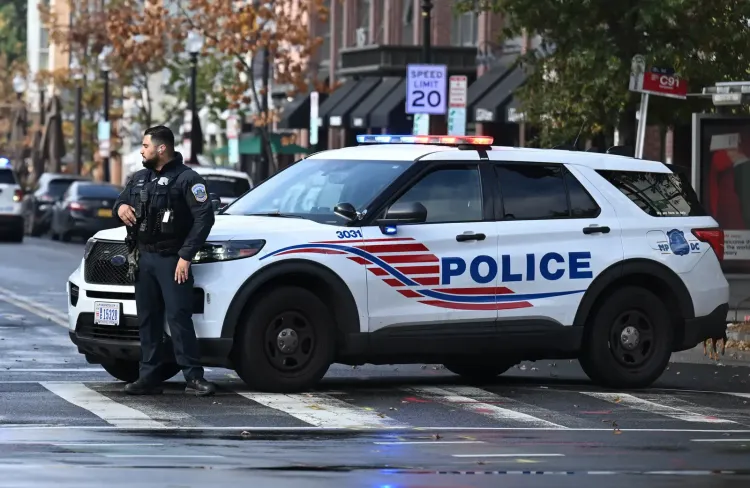
Citing police, The Washington Sun reported that Lambert fatally shot building manager James Stuart at the fitness centre on the ground floor of the condominium building shortly before 8 am. He then shot four other people in the vicinity before returning to his apartment and killing himself.
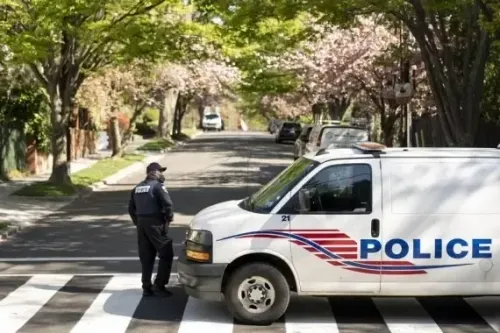
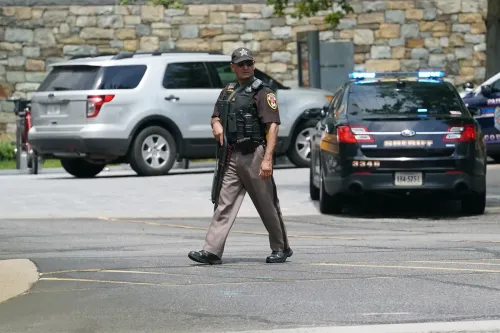
One of the four wounded individuals was in critical condition, while the remaining three sustained injuries that were not life-threatening, according to the report. Police initially warned residents to avoid the area before reporting a barricade situation in the 1500 block of 15th Street as emergency response officers worked the scene.
A Months-Long Dispute Over the Penthouse
The shooting was preceded by what Lambert described as a prolonged and financially devastating confrontation with the condominium association, Stuart, and the property management company. Lambert alleged that water leaks and mould had rendered his apartment unliveable following work on the building's facade.
He had purchased the penthouse for $1.1 million in 2016 and had reportedly wanted to sell it and relocate to New York. By December 2025, he said he had spent nearly $200,000 on legal and engineering fees and had borrowed against his retirement savings, leaving him living with only a couch and a desk in the stripped-down unit.
Lambert filed a lawsuit against the condominium association in March 2025, alleging negligence, breach of fiduciary duty, and nuisance. The association denied responsibility.
Journalist's Account of Pre-Violence Interviews
The account of Lambert's mental state before the shooting was written by journalist Michael Brice-Saddler, who had interviewed Lambert in November and December 2025 while working for The Washington Post. Brice-Saddler twice visited Lambert's gutted penthouse, but the planned article was never published after he was laid off earlier this year.
Brice-Saddler wrote that Lambert had never indicated during those interviews that he would resort to violence. Lambert had spoken of dwindling retirement savings, sleeplessness, and the psychological toll of the dispute.
'It's affected every part of my life — my sleep, dietary habits,' Lambert told the journalist in December. 'I pride myself on my resilience, and I've been kind of surprised at how much it has been affected.'
Notably, The Washington Sun acknowledged a significant limitation in this account: Brice-Saddler had not completed his reporting and had never presented Lambert's allegations to Stuart or the property management firm EJF for their response. The newspaper said it was unable to reach the company before publication on Thursday.
Lambert's Background
According to The Washington Sun, Lambert had worked as an emergency room doctor for two decades before transitioning into healthcare technology. His subsequent career included medical information leadership roles with hospital systems in Seattle and New York. Much of his focus in his final months, the journalist observed, appeared consumed by the condo dispute — evidenced by a whiteboard used to track grievances, flyers distributed around the neighbourhood, and open houses where he showed residents his engineering reports.
What Remains Unclear
While the reporting offers a detailed portrait of the dispute preceding the violence, it does not establish a definitive motive for why Lambert opened fire when he did. The details drawn from his own account and the reporter's visits do not independently verify the merits of his allegations against the building's management. Investigators have not publicly stated a formal conclusion on motive.
Point of View
Since Lambert's allegations were never put to the other side before the reporter was laid off. The pattern of an apparently high-functioning professional — decades in medicine, a $1.1 million property — sliding into financial and psychological collapse over a property dispute points to how badly the US lacks structured mediation for high-stakes civil grievances. The shooting also renews uncomfortable questions about how newsrooms handle sourcing relationships when stories die mid-reporting: the material existed, the subject is now dead, and the alleged victims of his account never got to respond.
NationPress
14 Nov 2026
Frequently Asked Questions
Who was the gunman in the Washington condo shooting on 13 November?
The gunman was identified as Matt Lambert, a former emergency room doctor who had been in a prolonged dispute with his Washington condominium's management. He killed building manager James Stuart, wounded four others, and then killed himself.
Who was killed in the Washington building shooting?
Building manager James Stuart was fatally shot at the fitness centre of the condominium. Four other people were wounded — one critically — before Lambert returned to his apartment and took his own life.
What was the condo dispute about?
Matt Lambert alleged that water leaks and mould caused by facade work had made his penthouse unliveable. He claimed to have spent nearly $200,000 on legal and engineering fees and filed a lawsuit in March 2025 against the condominium association for negligence, breach of fiduciary duty, and nuisance. The association denied responsibility.
How did the journalist's account of Lambert's interviews come to light?
Journalist Michael Brice-Saddler had interviewed Lambert in November and December 2025 for The Washington Post, but the article was never published after he was laid off. He subsequently wrote about those interviews for The Washington Sun following the shooting.
Where exactly did the Washington condo shooting occur?
The shooting took place at a condominium building in Washington's Logan Circle neighbourhood, near 15th and P streets Northwest. Police initially warned the public to avoid the area and reported a barricade situation before the scene was secured.