DR Congo armed group CRP declares unilateral ceasefire ahead of Uganda-brokered talks
Synopsis
Thomas Lubanga Dyilo — convicted by the ICC for using child soldiers — is now leading an armed group that has declared a unilateral ceasefire in eastern DRC, seeking talks with Kinshasa brokered by Uganda. With over 87,000 displaced civilians cut off from food and healthcare in Ituri Province, the ceasefire's durability could determine whether a humanitarian corridor reopens — or whether this is simply a tactical pause.
Key Takeaways
The Convention for the Popular Revolution (CRP) declared a unilateral ceasefire effective midnight, 14 May 2025 , ahead of preliminary talks with the Congolese government .
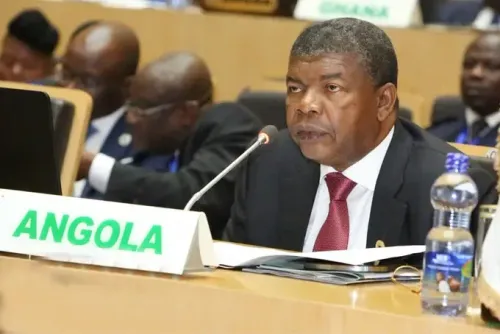
The ceasefire is to be facilitated by Uganda ; the Kinshasa government had not publicly responded as of the announcement.
CRP is led by Thomas Lubanga Dyilo , the first person convicted by the International Criminal Court (ICC) , released in March 2020 after serving 14 years for child soldier war crimes.
The group has been active in Ituri Province , where Congolese forces have conducted operations against it in Djugu territory .
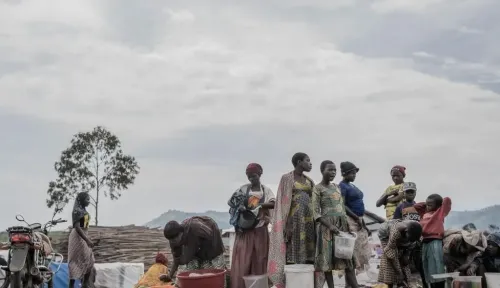
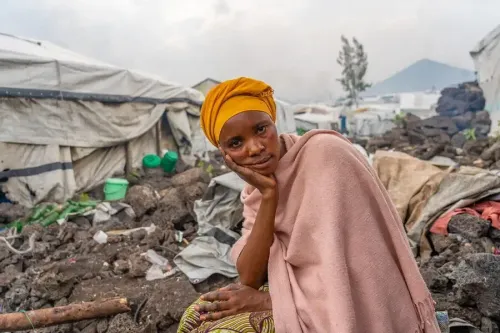
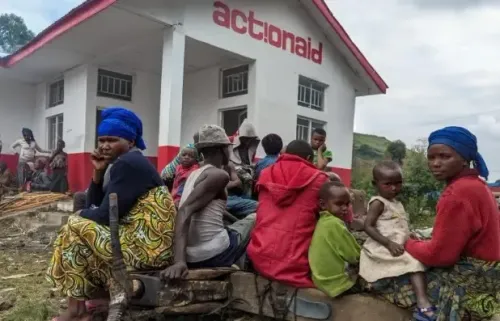
As of January 2026 , OCHA reported that violence had cut off aid to more than 87,000 displaced people in and around Bule , facing shortages of food, healthcare, and clean water.
The Convention for the Popular Revolution (CRP), an armed group operating in the northeastern Democratic Republic of the Congo (DRC), announced on Thursday, 14 May that it would observe a unilateral ceasefire, effective from midnight that night, ahead of preliminary dialogue with the Congolese government in Kinshasa under Ugandan facilitation. The move marks a rare de-escalation signal from a group that has fuelled persistent instability in Ituri Province.
The Ceasefire Announcement
In a formal statement signed by CRP leader Thomas Lubanga Dyilo, the group said the ceasefire was intended to 'give an optimal chance of success' to the pre-dialogue process. The CRP simultaneously called on the Congolese government to avoid 'any provocation' that could trigger fresh escalation in Ituri, stating the province 'did not need more violence.' There was no immediate public response from the government in Kinshasa, according to reports.
Who Is Thomas Lubanga Dyilo
Lubanga is a former militia commander with a significant legal history. He was convicted by the International Criminal Court (ICC) in 2012 for war crimes, specifically the recruitment and use of child soldiers — the first conviction handed down by the ICC. After serving 14 years of his sentence, he was released in March 2020. His re-emergence as a political-military figure leading the CRP has drawn renewed scrutiny from human rights observers.
Ituri's Deepening Humanitarian Crisis
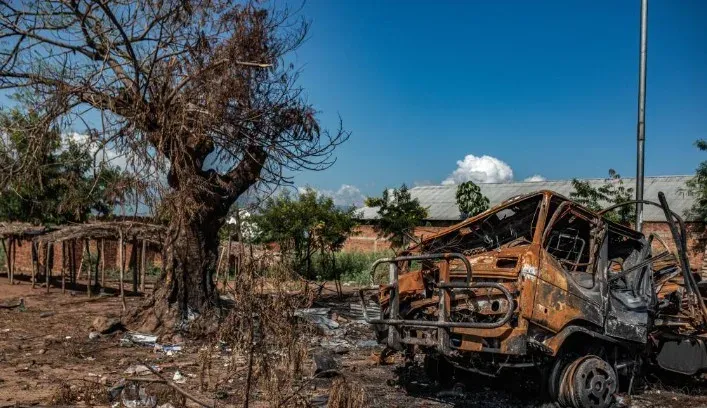
The ceasefire declaration comes against a backdrop of severe humanitarian deterioration in Ituri Province. Congolese government forces have recently conducted operations against the CRP in Djugu territory, while local and UN-backed media have documented widespread displacement linked to clashes involving the group.
In January 2026, the UN Office for the Coordination of Humanitarian Affairs (OCHA) warned of a surge in violence that was severely disrupting life-saving operations in the region. According to Stéphane Dujarric, spokesperson for the UN Secretary-General, the insecurity had effectively cut off humanitarian assistance to more than 87,000 displaced people in and around Bule, leaving families facing critical shortages of food, healthcare, and clean water.
Regional Context and What Comes Next
Eastern DRC has endured decades of overlapping armed conflicts, with Ituri Province repeatedly emerging as an epicentre of violence involving multiple militia factions. Uganda's role as facilitator reflects a broader regional diplomatic effort, though the CRP's announcement of pre-dialogue — rather than formal peace talks — signals that any settlement remains distant.
Whether the Congolese government accepts the ceasefire terms and engages in the proposed preliminary talks will determine if this gesture translates into a genuine reduction in hostilities or remains a tactical pause. Humanitarian agencies are watching closely, given that tens of thousands of displaced civilians remain cut off from essential services.
Point of View
But the bar for optimism in eastern DRC is historically low. Lubanga's re-emergence as a political actor — after an ICC conviction for child soldier recruitment — raises hard questions about accountability and the terms on which armed groups are brought to the table. Uganda's facilitation role is notable given Kampala's own complex history of involvement in eastern Congo. The real test is not the ceasefire declaration but whether Kinshasa responds, and whether any pre-dialogue framework includes humanitarian access guarantees for the 87,000 displaced civilians currently stranded in Bule — a detail that mainstream coverage of the announcement has largely overlooked.
NationPress
1 Oct 2026
Frequently Asked Questions
What is the CRP ceasefire in DR Congo?
The Convention for the Popular Revolution (CRP), an armed group active in Ituri Province in northeastern DRC, declared a unilateral ceasefire effective midnight on 14 May 2025, ahead of preliminary peace talks with the Congolese government facilitated by Uganda. The group's leader, Thomas Lubanga Dyilo, signed the statement calling for an end to provocations.
Who is Thomas Lubanga Dyilo?
Thomas Lubanga Dyilo is the leader of the CRP and a former militia commander. He was convicted by the International Criminal Court in 2012 — the ICC's first-ever conviction — for the war crime of recruiting and using child soldiers. He was released in March 2020 after serving 14 years in prison.
Why is Ituri Province significant in this conflict?
Ituri Province in northeastern DRC has been a longstanding flashpoint for militia violence. The CRP has been active there, clashing with Congolese government forces in Djugu territory. As of January 2026, OCHA warned that surging violence had cut off humanitarian aid to more than 87,000 displaced people around Bule, creating a severe food, healthcare, and clean water crisis.
What role is Uganda playing in the Congo talks?
Uganda is acting as the facilitator for the preliminary dialogue between the CRP and the Congolese government in Kinshasa. The specific format and timeline of the talks have not been publicly detailed, and the Congolese government had not issued a public response to the CRP's ceasefire announcement at the time of reporting.
What happens next in the DRC peace process?
The immediate question is whether the Congolese government will respond to and accept the ceasefire, and whether pre-dialogue talks under Ugandan facilitation will proceed. Humanitarian agencies are monitoring the situation closely, as tens of thousands of displaced civilians in Ituri remain dependent on a reduction in hostilities to restore access to aid.