US Lawmakers Discuss the Quick Adoption of AI in Education
Synopsis
In a pivotal hearing, US lawmakers addressed the rapid integration of AI in schools, highlighting benefits and significant concerns. Educators see potential in these tools but caution against risks to privacy and learning integrity. How will this impact the future of education?
Key Takeaways
60% of teachers use AI tools for educational tasks.
Teachers save approximately six hours weekly through AI.
70% of teachers feel unprepared for AI integration.
Concerns about student misuse of AI are significant.
West Virginia adopts flexible guidance on AI use.
Washington, D.C., Feb 25 (NationPress) - US legislators engaged in discussions regarding the swift integration of artificial intelligence within American educational institutions. While educators are adopting these time-saving technologies, they are also raising alarms about potential threats to learning, privacy, and academic integrity.
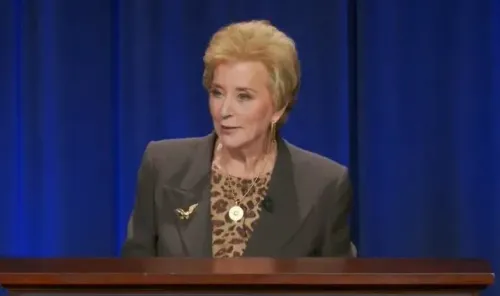
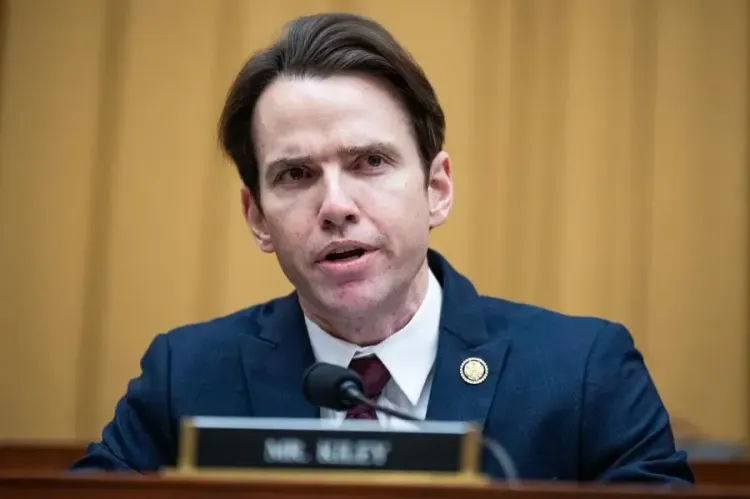
During a Congressional hearing titled “Building an AI-Ready America: Teaching in the AI Age,” Congressman Kevin Kiley highlighted the prevalent use of AI in schools. He referenced survey findings indicating that “60 percent of public school teachers in the US utilized an AI tool in their professional duties during the 2024-2025 academic year.”
Kiley pointed out the tangible advantages reported by teachers, stating, “Those employing AI tools on a weekly basis estimate saving approximately six hours each week,” translating to “nearly six weeks of additional teaching time” over a year.
However, he also addressed significant gaps in readiness. “70 percent of educators have expressed feeling unprepared to effectively incorporate AI into their classrooms,” he noted, raising concerns about student misuse, with “a staggering 85% voicing worries about student engagement with AI.”
According to Kiley, “almost 40 percent of middle and high school students acknowledged using AI without their teacher's approval to complete assignments.”
Michele Blatt, the state superintendent of schools in West Virginia, stated that her state opted for guidance rather than strict regulations. “The guidance we implemented in West Virginia in 2024 enabled us to establish some necessary precautions,” she said, adding that they have revised their guidance documents twice in response to emerging challenges.
Blatt emphasized that “AI in the classroom will never substitute for our teachers.”
Indian American Anish Sohoni, the CEO of Teach For America, concurred. “AI is an aid, not a replacement for teachers. Effective learning occurs when students feel secure and connected; relationships are pivotal in education,” he said. His organization has trained thousands of educators, noting, “Since 2020, over 4,800 of our teachers have been educated on the responsible use of AI.”
David Slykhuis, representing teacher education institutions, affirmed the existing presence of AI in classrooms. “AI is not a technology of the future,” he stated. He cautioned against hasty implementation, emphasizing the importance of maintaining critical thinking skills and not becoming overly reliant on technology. “While tech firms may thrive on the mantra of moving fast and breaking things, for educators, the stakes are much higher; a student's future is at risk,” he added.
Alison Knox, the senior director of education and workforce policy at Microsoft, noted that educators are seeking “guidance and boundaries.” She directly addressed privacy issues, stating, “Microsoft does not utilize student data to inform any of our AI models, nor do we share it with third-party providers.” She added that districts have agreed not to permit children under 13 to use chatbots.
In the last two years, various AI tools, including chatbots and automated lesson planners, have rapidly gained traction in US schools. As technology continues to evolve, districts are exploring diverse policies. Legislators from both parties emphasized that effective teacher training and robust safeguards are essential for successful integration.
Point of View
It's essential to recognize the duality of the AI discussion in education. While the potential for enhancing learning through innovative tools is promising, it is equally crucial to address the risks surrounding privacy and academic integrity. A balanced approach will be vital as we navigate this evolving landscape.
NationPress
2 Oct 2026
Frequently Asked Questions
What percentage of teachers are using AI tools?
According to Congressman Kevin Kiley, 60 percent of US public school teachers reported using AI tools during the 2024-2025 academic year.
What concerns do teachers have regarding AI?
70 percent of teachers feel unprepared to use AI effectively in classrooms, and 85 percent express concerns about student misuse of AI.
How has West Virginia approached AI in education?
West Virginia has implemented guidance rather than strict regulations, allowing for adjustments as new challenges arise.
What is the stance of Teach For America on AI?
Teach For America believes AI is a tool that should support, not replace, teachers, emphasizing the importance of relationships in learning.
What privacy measures are in place for AI tools in education?
Microsoft stated that it does not use students' data for AI models and has set guidelines to protect children under 13 from using chatbots.