NSA Doval in Riyadh: Energy security, maritime corridors on agenda
Synopsis
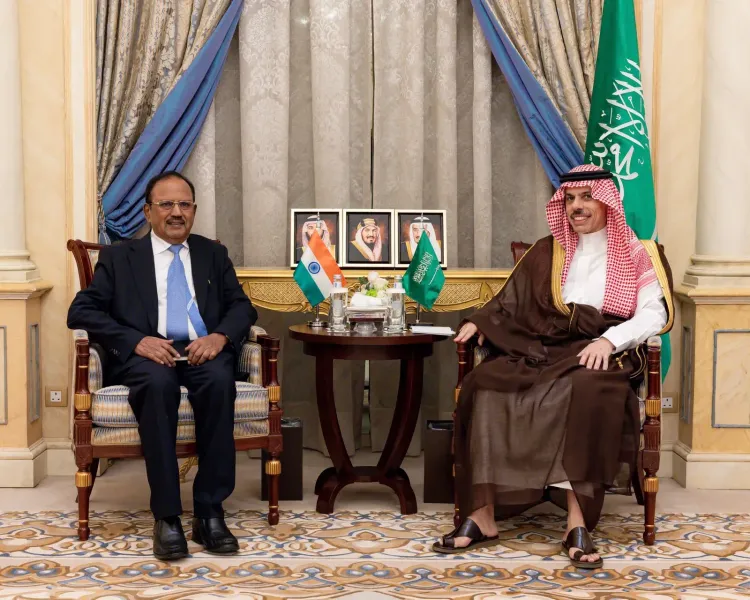
NSA Ajit Doval's second visit to Riyadh in under four months is not routine diplomacy — it signals a deliberate Indian push to lock in energy supply guarantees and maritime security cooperation with Saudi Arabia as Red Sea instability and West Asian volatility intensify. The back-to-back NSA-level engagements suggest both sides are building a security architecture that goes well beyond traditional oil trade.
Key Takeaways
NSA Ajit Doval visited Riyadh on 20 July for high-level talks with Saudi Arabia's top leadership.
He met Prince Abdulaziz bin Salman (Energy Minister), Prince Faisal bin Farhan (Foreign Minister), and Dr.
Musaed Al-Aiban (Saudi NSA).
Talks focused on energy security , maritime corridor protection , and expanding bilateral energy cooperation.
This was Doval's second official visit to Riyadh in 2025, following an earlier trip in April .
Saudi Arabia is one of India's largest crude oil suppliers , making energy stability a key strategic priority.
National Security Advisor Ajit Doval visited Riyadh on 20 July for high-level talks with Saudi Arabia's top leadership, covering bilateral energy cooperation, maritime corridor security, and evolving regional developments. The visit marks Doval's second trip to the Saudi capital in under four months, underscoring the deepening strategic partnership between India and Saudi Arabia.
Key Meetings in Riyadh
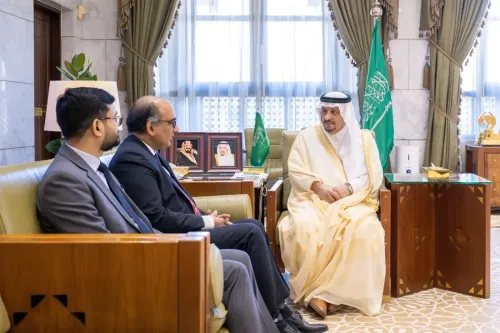
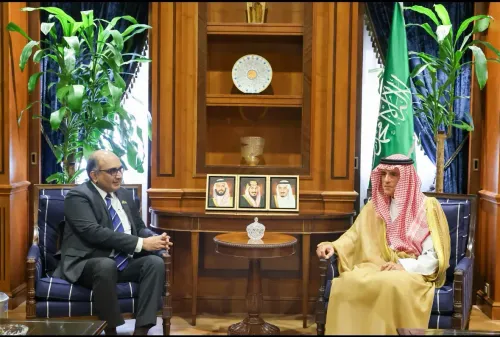
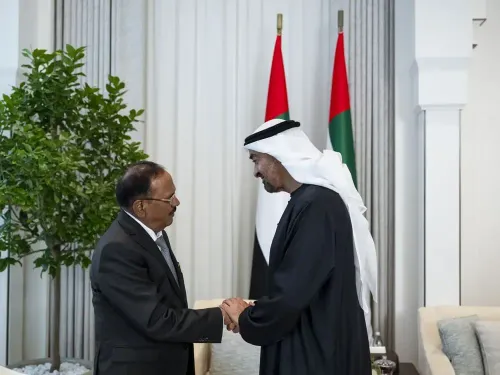
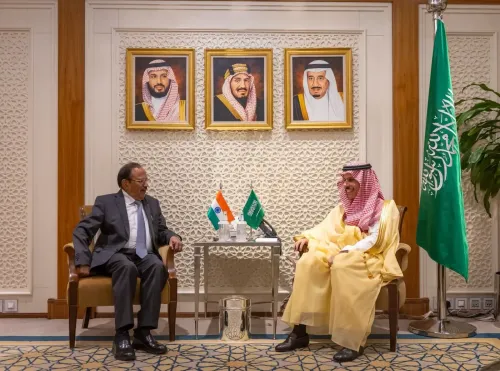
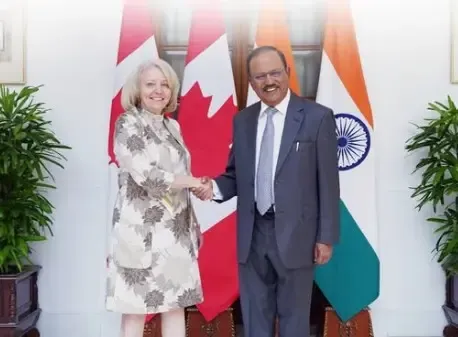
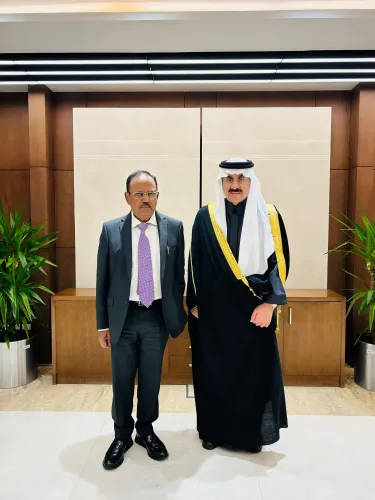
Doval was received at the airport by Dr. Saud Al-Sati, Deputy Minister for Political Affairs, and Ambassador Dr. Suhel Khan, according to the Embassy of India in Riyadh. During the visit, he held separate meetings with Prince Abdulaziz bin Salman, Minister of Energy; Prince Faisal bin Farhan, Minister of Foreign Affairs; and Dr. Musaed Al-Aiban, Saudi Arabia's National Security Advisor.
What Was Discussed
According to Saudi Arabia's Ministry of Foreign Affairs, the meeting with Foreign Minister Prince Faisal bin Farhan covered a review of bilateral relations and ways to strengthen the strategic partnership. The two sides also discussed the latest regional developments, with a specific focus on enhancing energy security and protecting maritime corridors — two areas of growing mutual concern given the ongoing instability in the Red Sea region.
Saudi Arabia's Ministry of Energy separately noted that Doval and Prince Abdulaziz bin Salman reviewed bilateral energy cooperation and discussed avenues for expanding it, including joint efforts to strengthen energy security and ensure stability of supply chains.
India's Strategic Calculus
This is Doval's second official visit to Riyadh in 2025, following an earlier trip in April during which he engaged in a similar series of high-level meetings to reinforce bilateral ties and discuss regional security. The frequency of these engagements reflects a deliberate Indian diplomatic posture — maintaining close dialogue with Riyadh at the security-establishment level as geopolitical pressures mount across West Asia.
Notably, the emphasis on maritime corridor security aligns with India's broader strategic anxieties around the Red Sea and Gulf of Aden, where Houthi attacks have disrupted global shipping lanes and raised costs for Indian exporters and energy importers alike.
Broader Significance
Senior officials indicated that Doval's back-to-back Riyadh visits reflect the evolving depth of the India–Saudi Arabia strategic partnership, which now spans energy, security, and regional diplomacy. Saudi Arabia remains one of India's largest crude oil suppliers, making energy security a structurally critical agenda item in any bilateral engagement at this level.
The two nations are also aligned on the need for stable maritime routes, given their shared dependence on sea lanes for trade and energy transit. With West Asia remaining volatile, further diplomatic engagements at the NSA level are widely expected in the months ahead.
Point of View
With Red Sea disruptions already squeezing shipping costs and any Gulf supply shock capable of rattling domestic fuel prices. What is less visible in the official readouts is whether these talks are also laying groundwork for India's positioning in a broader West Asia realignment — and how that squares with New Delhi's simultaneous outreach to Tehran and its carefully managed ties with Washington.
NationPress
20 Oct 2026
Frequently Asked Questions
Why did NSA Ajit Doval visit Riyadh on 20 July?
NSA Ajit Doval visited Riyadh on 20 July for high-level talks with Saudi Arabia's Energy Minister, Foreign Minister, and National Security Advisor. The discussions centred on bilateral energy cooperation, maritime corridor security, and the latest regional developments.
Who did NSA Doval meet during his Riyadh visit?
Doval met Prince Abdulaziz bin Salman (Minister of Energy), Prince Faisal bin Farhan (Minister of Foreign Affairs), and Dr. Musaed Al-Aiban (Saudi Arabia's National Security Advisor). He was also received at the airport by Deputy Minister for Political Affairs Dr. Saud Al-Sati and Ambassador Dr. Suhel Khan.
What is the significance of energy security in India-Saudi talks?
Saudi Arabia is one of India's largest crude oil suppliers, making energy supply stability a structurally critical concern for New Delhi. Both sides discussed ways to expand bilateral energy cooperation and ensure stability of supplies, according to Saudi Arabia's Ministry of Energy.
Why is maritime corridor security on the India-Saudi agenda?
Ongoing Houthi attacks in the Red Sea and Gulf of Aden have disrupted global shipping lanes, directly affecting Indian exporters and energy importers. Ensuring safe maritime corridors is therefore a shared strategic priority for both India and Saudi Arabia.
Is this Doval's first visit to Saudi Arabia in 2025?
No. Doval had also paid an official visit to Saudi Arabia in April 2025, during which he held a similar round of high-level meetings. The July visit is his second trip to Riyadh in under four months.