Jaishankar meets 10+ world leaders at UN General Assembly high-level week
Synopsis
In a marathon day of diplomacy at the UN General Assembly high-level week in New York, EAM Jaishankar met over ten world leaders — covering the Ukraine conflict, a newly activated India-EFTA trade deal, South Pacific development ties, and a rare sit-down with the Visegrád 4. The breadth of the engagements signals India's widening diplomatic reach across Europe and the Indo-Pacific simultaneously.
Key Takeaways
Jaishankar held more than 10 bilateral meetings in New York on 22 September 2026 during the UN General Assembly high-level week.
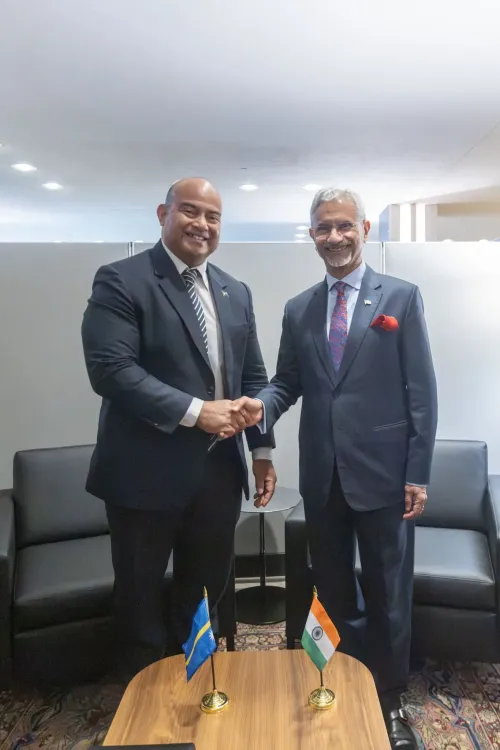
He reaffirmed India's development partnership with Naoreo (formerly Nauru), which has received aid via the India-UN Development Partnership Fund .
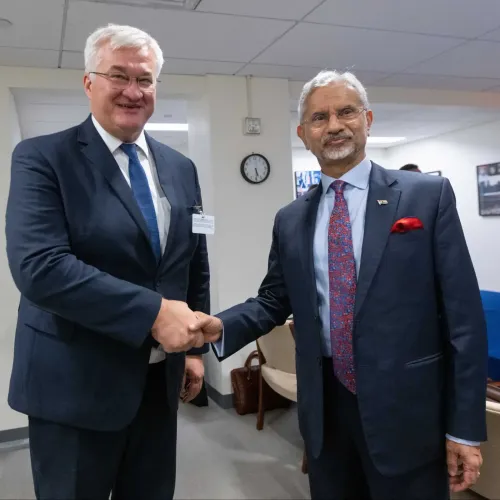
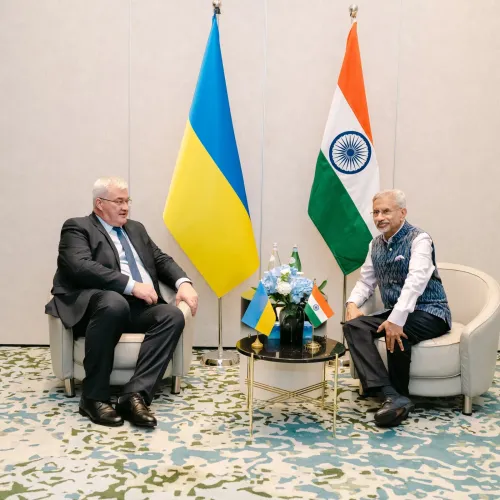
Jaishankar met Ukraine's Foreign Minister Andrii Sybiha , with discussions focused on recent conflict developments.
He and Switzerland's Foreign Minister Ignazio Cassis reviewed the India-EFTA Trade and Economic Partnership Agreement , activated last October.
Jaishankar also participated in a Visegrád 4 foreign ministers' meeting and a session with EU and Indo-Pacific counterparts.
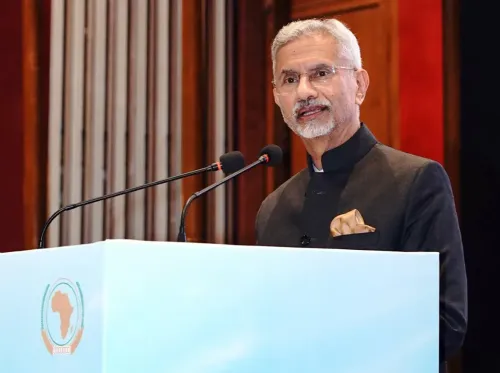
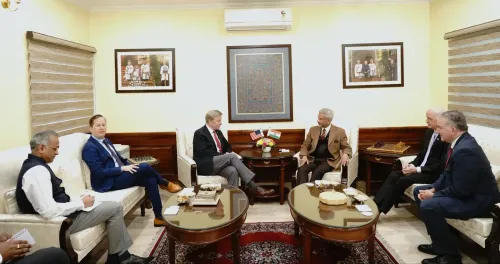
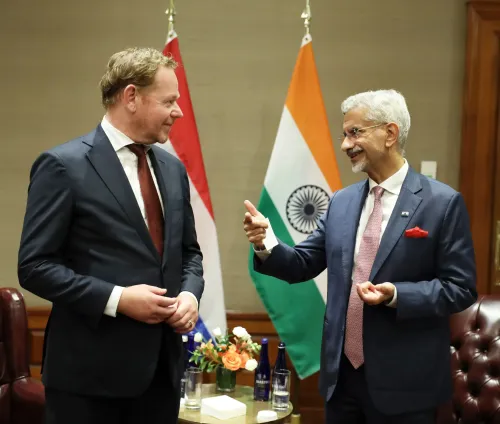
External Affairs Minister S. Jaishankar conducted an intensive round of bilateral meetings on the sidelines of the United Nations General Assembly high-level week in New York on 22 September 2026, engaging with more than ten world leaders and foreign ministers to advance India's diplomatic and economic interests across multiple regions.
India Reaffirms Development Partnership with Naoreo
The day's diplomacy opened with a meeting between EAM Jaishankar and President David Adeang of Naoreo — the South Pacific island nation formerly known as Nauru. Jaishankar underscored India's commitment to the strategically positioned nation's development, writing on X: 'Appreciate the strong bilateral and multilateral cooperation with Naoreo. India remains strongly committed as a development partner.'
Naoreo has received assistance for several projects through the India-UN Development Partnership Fund, making the bilateral relationship an example of India's broader outreach to small island developing states in the Pacific.
Ukraine, Moldova, and the European Agenda
EAM Jaishankar met Ukraine's Foreign Minister Andrii Sybiha, with the discussion centred on 'developments over the past few weeks,' according to Jaishankar's post on X. The Ukraine conflict also featured in a separate meeting with Moldova's Deputy Prime Minister Mihai Popsoi, where the two sides noted progress in bilateral political, economic, and educational ties.
The day also included a meeting with Switzerland's Foreign Minister Ignazio Cassis, during which both sides took stock of strengthening economic relations following the entry into force of the India-EFTA Trade and Economic Partnership Agreement. The free trade agreement — covering Switzerland, Iceland, Liechtenstein, and Norway — was activated last October and marks a significant step in India's trade diplomacy with Europe.
Wider European Outreach
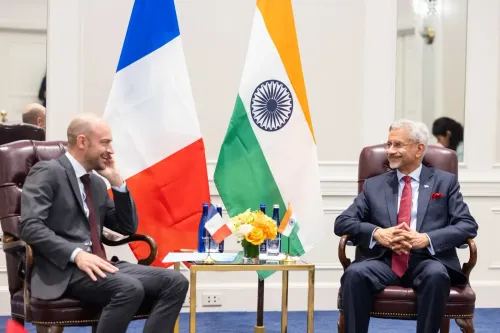
Earlier in the day, Jaishankar met France's Foreign Minister Jean-Noel Barrot. He subsequently held meetings with Ecuador's Foreign Minister Roberto Kury, Slovakia's Foreign Minister Juraj Blanar, and Hungary's Deputy Prime Minister Anita Orban.
He also participated in a meeting with the foreign ministers of the Visegrád 4 — the Central European grouping of Hungary, the Czech Republic, Slovakia, and Poland — before attending a broader session involving foreign ministers of European Union countries and select Indo-Pacific nations. The back-to-back format reflects India's growing ambition to deepen ties simultaneously across the European and Indo-Pacific theatres.
Why the UN High-Level Week Matters for India
The annual convergence of leaders from all 193 UN member states in New York provides a rare window for intensive, in-person diplomacy. For India, which holds an increasingly prominent role in global forums such as the G20, BRICS, and the Quad, the high-level week serves as a critical checkpoint for bilateral relationships and multilateral positioning. This year's engagements span trade agreements, conflict diplomacy, and development partnerships — underscoring the breadth of India's foreign-policy priorities heading into the final quarter of 2026.
Further meetings are expected through the remainder of the high-level week, with the outcomes likely to shape India's diplomatic calendar for the months ahead.
Point of View
Central European blocs, Ukraine's foreign minister, and a newly minted trade agreement — reflects India's ambition to be a consequential player in every theatre simultaneously. But breadth can mask depth: the absence of substantive detail on the Ukraine conversation is telling, given India's carefully calibrated neutrality on the conflict. The India-EFTA agreement activation is the most tangible deliverable here and deserves more attention than it typically receives. Whether these high-level-week handshakes translate into durable policy outcomes — on trade, on Pacific influence, on European strategic alignment — will be tested in the months that follow.
NationPress
22 Sept 2026
Frequently Asked Questions
What did EAM Jaishankar do at the UN General Assembly high-level week in New York?
EAM S. Jaishankar conducted over ten bilateral meetings with world leaders and foreign ministers on 22 September 2026 in New York, covering topics ranging from the Ukraine conflict and trade agreements to India's development partnerships in the South Pacific. The engagements took place on the sidelines of the UN General Assembly high-level week, which brings together leaders from all 193 UN member states.
What is the India-EFTA Trade and Economic Partnership Agreement?
The India-EFTA Trade and Economic Partnership Agreement is a free trade deal between India and the European Free Trade Association, which comprises Switzerland, Iceland, Liechtenstein, and Norway. The agreement entered into force last October and was reviewed by Jaishankar and Switzerland's Foreign Minister Ignazio Cassis during their meeting in New York.
What was discussed in Jaishankar's meeting with Ukraine's foreign minister?
EAM Jaishankar met Ukraine's Foreign Minister Andrii Sybiha in New York, with their conversation focused on 'developments over the past few weeks,' according to Jaishankar's post on X. No further specifics were publicly disclosed.
Why is India's relationship with Naoreo significant?
Naoreo, formerly known as Nauru, is a strategically positioned island nation in the South Pacific. India has provided development assistance to Naoreo through the India-UN Development Partnership Fund, and EAM Jaishankar reaffirmed India's commitment to the country's development during their meeting on the sidelines of the UN General Assembly.
What is the Visegrád 4 and why did Jaishankar meet them?
The Visegrád 4 is a Central European political grouping comprising Hungary, the Czech Republic, Slovakia, and Poland. Jaishankar's participation in a meeting with their foreign ministers signals India's intent to deepen ties with Central Europe, complementing separate bilateral meetings with individual EU member foreign ministers and a broader session with EU and Indo-Pacific counterparts.