Egypt Strengthens Diplomatic Efforts for Mideast Peace
Synopsis
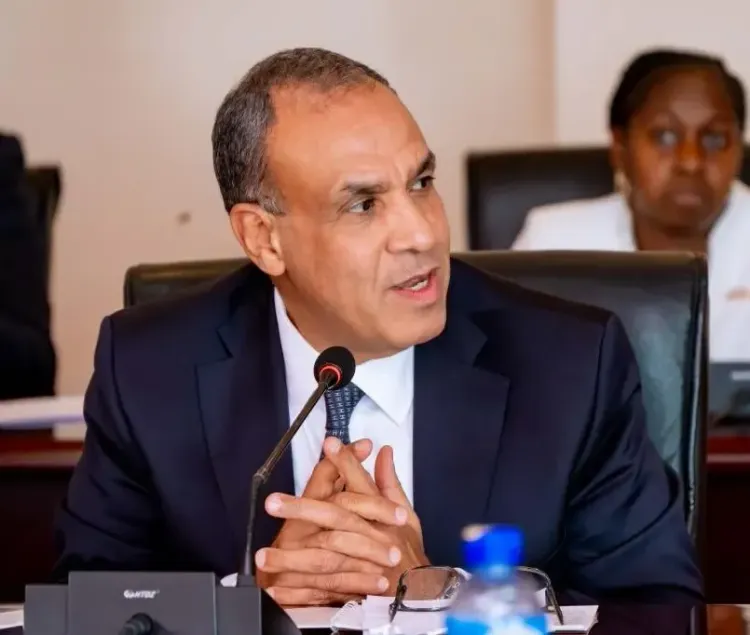
In a bid to address escalating tensions in the Middle East, Egypt's Foreign Minister Badr Abdelatty conducts critical talks with regional and international partners, emphasizing the need for immediate diplomatic solutions to prevent chaos.
Key Takeaways
Diplomatic Engagement: Egypt is actively pursuing dialogue to address Middle East tensions.
International Cooperation: Discussions involve multiple countries, including Saudi Arabia, Jordan, and Germany.
Call for Restraint: Turkish officials emphasize the need for restraint to avoid further escalation.
Potential Consequences: Prolonged tensions could lead to significant regional instability.
Focus on Peace: The emphasis remains on diplomatic solutions rather than military intervention.
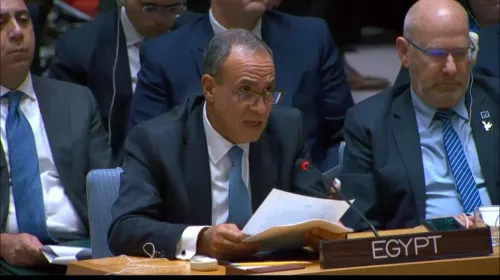
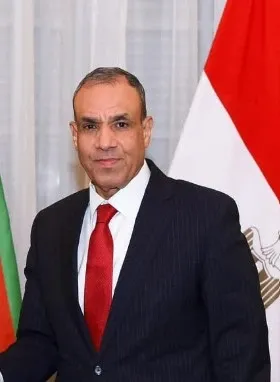
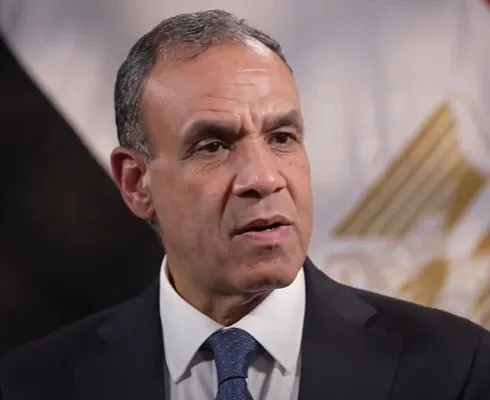
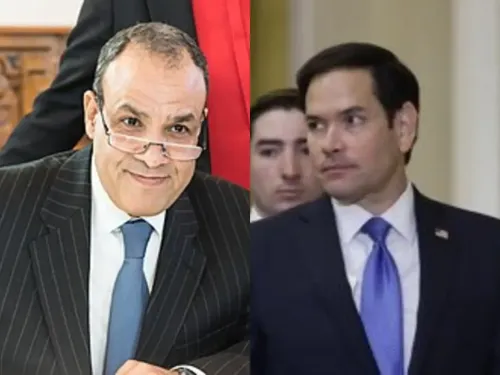
Cairo, March 29 (NationPress) Egypt's Foreign Minister Badr Abdelatty engaged in individual phone discussions with his counterparts from Saudi Arabia, Jordan, and Germany, along with officials from the European Commission, as reported by the Egyptian Foreign Ministry. The focus of these conversations was on collaborative efforts aimed at de-escalating tensions in the Middle East.
During these discussions, the officials highlighted the critical need for sustained initiatives toward 'immediate de-escalation', asserting that 'prioritizing diplomatic avenues and engaging in dialogue is the sole approach to prevent the region from descending into chaos with unpredictable ramifications.' This sentiment was echoed by the Xinhua news agency.
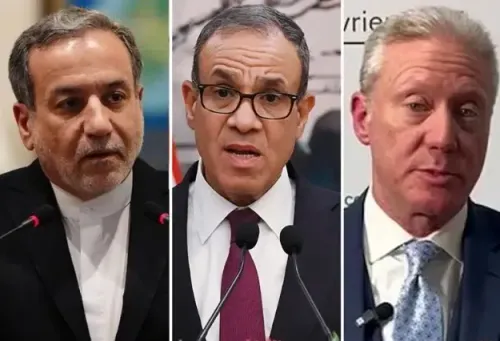
Additionally, the talks encompassed Egypt's initiatives, in tandem with regional allies, to foster negotiations between the United States and Iran, aimed at alleviating the current crisis and shielding both the region and the global community from catastrophic effects.
Earlier that day, Abdelatty departed for Islamabad to take part in a quadrilateral ministerial meeting with his counterparts from Pakistan, Saudi Arabia, and Turkey to deliberate on the ongoing military tensions in the region and strategies for de-escalation.
Meanwhile, Turkish Foreign Minister Hakan Fidan urged maximum restraint regarding the conflict in the Middle East, cautioning that any further escalation could lead to severe and lasting damage across the region.
Addressing attendees at the International Strategic Communication Summit in Istanbul, Fidan expressed that the ongoing tensions threaten to exacerbate divisions and impact nations with intertwined histories.
He emphasized that the repercussions would extend beyond immediate destruction, leading to long-term social and psychological effects. 'This conflict could deeply entrench existing wounds and affect not just cities but also individuals' hearts and minds,' he stated.
Fidan warned that prolonged tensions could pull the wider region into instability, recalling that similar situations had previously been mitigated through diplomatic interventions.
Reaffirming Turkey's stance against additional military escalation, Fidan called upon all parties to exercise restraint and return to diplomatic discussions.
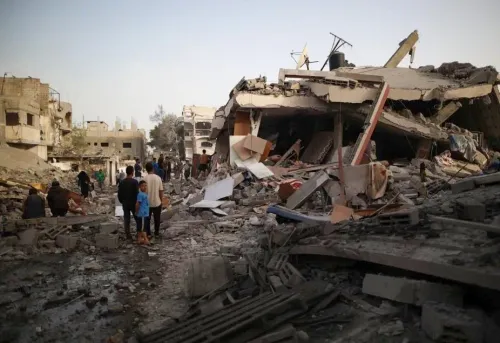
These diplomatic maneuvers have arisen amid heightened tensions following joint US-Israeli strikes on Iran starting on February 28, which prompted Iran and its regional allies to retaliate with attacks on Israeli and US interests throughout the Middle East.
Point of View
The ongoing diplomatic engagements by Egypt highlight a proactive approach to mitigate regional tensions. The emphasis on dialogue over military action reflects a commitment to peace and stability in the Middle East, which is essential for both regional and global security.
NationPress
29 Sept 2026
Frequently Asked Questions
What is the purpose of Egypt's recent diplomatic talks?
The main goal of Egypt's diplomatic talks is to de-escalate tensions in the Middle East and promote dialogue among key stakeholders to prevent chaos.
Who are the officials involved in these discussions?
Egypt's Foreign Minister Badr Abdelatty is engaging with counterparts from Saudi Arabia, Jordan, Germany, and officials from the European Commission.
What are the potential consequences of continued military escalation?
Continued military escalation could result in severe and lasting damage across the region, exacerbating divisions and leading to long-term social and psychological impacts.
How is Turkey involved in the situation?
Turkey, through its Foreign Minister Hakan Fidan, is actively calling for restraint and dialogue to prevent further military escalation in the Middle East.
What recent events have heightened tensions in the region?
The tensions have escalated following joint US-Israeli strikes on Iran, which were met with retaliatory actions from Iran and its allies against Israeli and US interests.