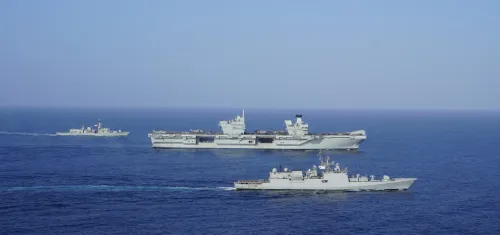
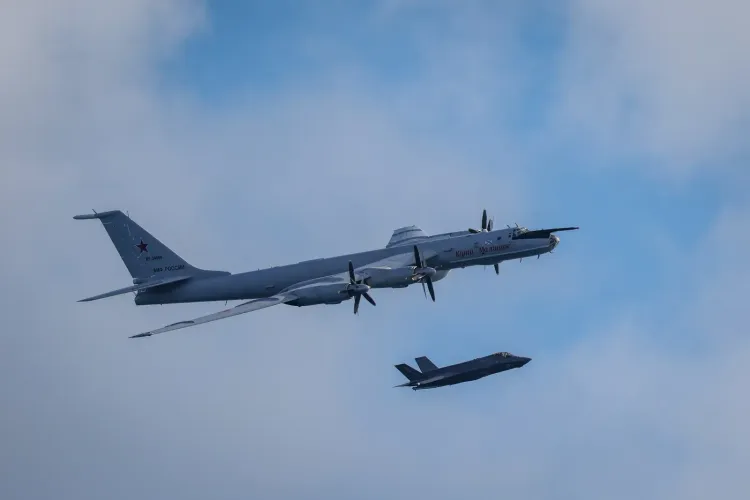
British F-35s intercept Russian Bear-F near HMS Prince of Wales in Norwegian Sea
Synopsis
British F-35 jets scrambled from HMS Prince of Wales to intercept a Russian Bear-F patrol aircraft that dropped sonobuoys near the carrier and refused to communicate on safety frequencies — a move London publicly branded 'unsafe and unprofessional'. The incident, during NATO's Operation FIRECREST, is a sharp reminder of how contested the High North has become.
Key Takeaways
Two British F-35 jets intercepted a Russian Bear-F maritime patrol aircraft near HMS Prince of Wales in the Norwegian Sea on 2 July 2025 .
The Russian aircraft dropped multiple sonobuoys near the carrier and failed to respond on international safety frequencies .
The British Ministry of Defence publicly labelled the conduct 'unsafe and unprofessional' in a post on platform X.
Russia had not issued any public response as of the time of reporting.
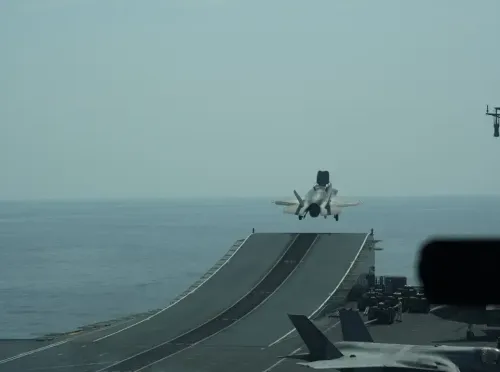
HMS Prince of Wales is deployed off Iceland under NATO command, conducting the alliance's first-ever deck-based air policing operations.
Defence Secretary Dan Jarvis and Icelandic Foreign Minister Thorgerdur Katrin Gunnarsdottir visited UK forces aboard the carrier during the deployment.
Two British F-35 fighter jets intercepted and escorted a Russian maritime patrol aircraft after it repeatedly approached HMS Prince of Wales in the Norwegian Sea, the British Ministry of Defence said on Monday, 7 July 2025. The incident, which took place on 2 July, marked a tense moment during the UK's ongoing Operation FIRECREST in the High North.
What Happened
The Russian Bear-F maritime patrol aircraft flew what the Ministry of Defence described as 'unnecessarily close' to the British carrier. The aircraft dropped multiple sonobuoys — air-deployed acoustic sensors used to detect and track submarines and underwater activity — in the vicinity, and crucially, failed to respond on international safety frequencies.
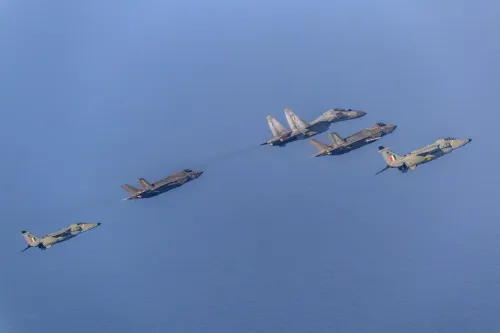
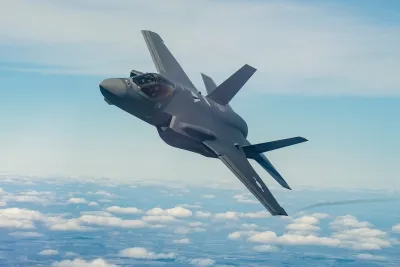
The two F-35 jets, operating directly from the deck of HMS Prince of Wales, were scrambled to intercept the Russian aircraft and escorted it until it departed the area.
What the Ministry Said
'While operating in the Norwegian Sea on Operation FIRECREST, the UK's Carrier Strike Group was repeatedly approached by a Russian Bear-F maritime patrol aircraft. The aircraft flew unnecessarily close to HMS Prince of Wales, dropped multiple sonobuoys nearby, and failed to respond on international safety frequencies. This activity was unsafe and unprofessional,' the Ministry stated in a post on social media platform X.
As of the time of reporting, Russia had not issued any public response to the British statement.
Broader Context: NATO Operations in the High North
The interception occurred in the middle of a significant NATO deployment. The British Carrier Strike Group, led by HMS Prince of Wales, is currently conducting NATO air policing operations from the carrier's deck — reportedly the first time this has been done. The group is operating alongside NATO allies with a focus on security in the Arctic and North Atlantic regions.
Notably, Defence Secretary Dan Jarvis MBE MP, accompanied by Icelandic Foreign Minister Thorgerdur Katrin Gunnarsdottir, visited UK forces aboard HMS Prince of Wales, which is deployed off Iceland under NATO command. The high-profile visit underscores the strategic weight London and its allies are placing on the mission.
Why This Matters
The Bear-F aircraft's deployment of sonobuoys near a carrier strike group is a pointed intelligence-gathering manoeuvre — one that signals Moscow's continued interest in monitoring NATO naval movements in the North Atlantic. This is not an isolated episode; Russian maritime patrol aircraft have a documented pattern of probing NATO carrier groups, particularly during high-profile exercises and deployments. The failure to communicate on international safety frequencies elevates the incident beyond routine surveillance into what the Ministry has explicitly called 'unsafe and unprofessional' conduct.
With NATO's northern flank under sharper focus since Finland and Sweden joined the alliance, incidents like this are likely to grow in frequency as both sides test operational boundaries. The UK's decision to publicise the event through an official X post — rather than through quiet diplomatic channels — signals a deliberate choice to put Russia's behaviour on the record.
Point of View
Rather than lodge a quiet diplomatic protest, is a calculated move to document Russian behaviour at a moment when NATO solidarity in the High North is under political scrutiny. The broader pattern is clear: as NATO's northern membership expands and carrier deployments intensify, Russian probing of alliance assets will continue, and the risk of a miscalculation on safety frequencies — where no response was given — is not trivial. The UK is right to name it; whether that naming changes Moscow's calculus is another question entirely.
NationPress
5 Oct 2026
Frequently Asked Questions
What happened between British F-35s and a Russian aircraft in the Norwegian Sea?
Two British F-35 fighter jets intercepted and escorted a Russian Bear-F maritime patrol aircraft after it repeatedly approached HMS Prince of Wales in the Norwegian Sea on 2 July 2025. The Russian aircraft dropped sonobuoys near the carrier and failed to respond on international safety frequencies, prompting the British Ministry of Defence to publicly call the conduct 'unsafe and unprofessional'.
What are sonobuoys and why does their use matter here?
Sonobuoys are air-deployed acoustic sensors used to detect and track submarines and other underwater activity. Their deployment near a NATO carrier strike group indicates active intelligence-gathering rather than a routine overflight, which is why the incident was treated as a serious provocation by the British Ministry of Defence.
What is Operation FIRECREST?
Operation FIRECREST is a British military deployment in the High North involving the UK's Carrier Strike Group, led by HMS Prince of Wales. The operation focuses on security in the Arctic and North Atlantic and includes NATO air policing missions conducted from the carrier's deck — reportedly the first time this has been done.
Has Russia responded to the British statement?
As of the time of reporting on 7 July 2025, Russia had not issued any public response to the British Ministry of Defence's statement regarding the Norwegian Sea incident.
Who visited HMS Prince of Wales during the deployment?
British Defence Secretary Dan Jarvis MBE MP and Icelandic Foreign Minister Thorgerdur Katrin Gunnarsdottir visited UK forces aboard HMS Prince of Wales while it was deployed off Iceland under NATO command.