Flash floods kill 20, leave 100+ missing in Nuristan, Afghanistan
Synopsis
Flash floods have killed at least 20 people and left over 100 missing in Nuristan — one of Afghanistan's most remote provinces — on 20 July, adding to a grim seasonal toll that already exceeded 300 deaths in just 10 weeks. With rescue teams still reaching cut-off areas, the final count could climb sharply.
Key Takeaways
Flash floods struck Nuristan province , eastern Afghanistan , on Monday, 20 July , killing at least 20 people .
Around 80 people were injured and more than 100 remain missing, with search-and-rescue operations ongoing.
Parun , the provincial capital of Nuristan, was identified as the worst-hit area, with widespread damage to homes and infrastructure.
ANDMA spokesperson Yousuf Hammad confirmed the casualties via a post on X ; final figures are pending damage assessment.
Afghanistan had already recorded at least 301 flood-related deaths and damage to 18,812 families in the 10 weeks prior to 9 June .
Afghanistan is among the world's most disaster-prone nations, with floods, landslides, and avalanches causing recurring mass casualties.
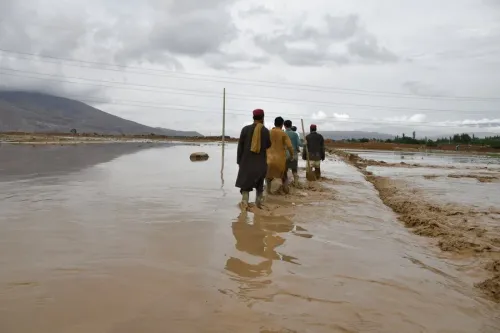
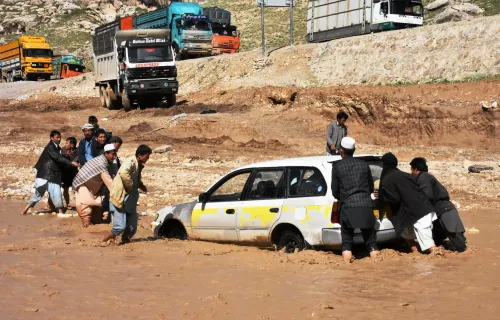
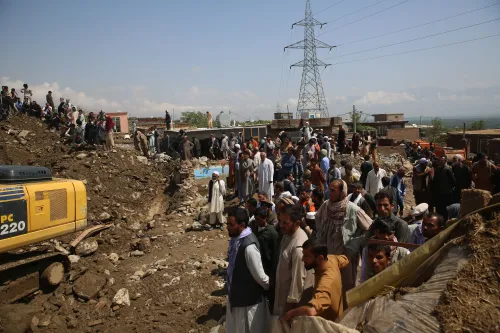
Flash floods triggered by heavy rainfall killed at least 20 people, injured around 80 others, and left more than 100 missing in Nuristan province in eastern Afghanistan on Monday, 20 July, according to a government official. The disaster struck one of the country's most remote and mountainous provinces, hampering early rescue efforts.
Scale of the Disaster
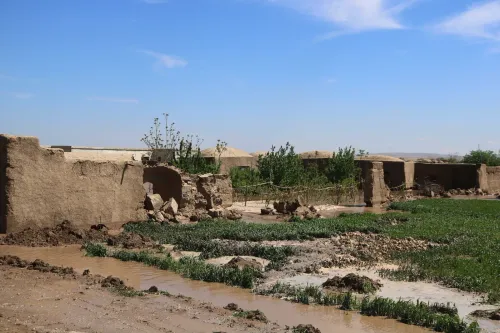
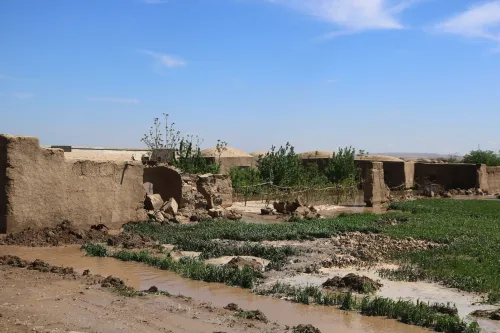
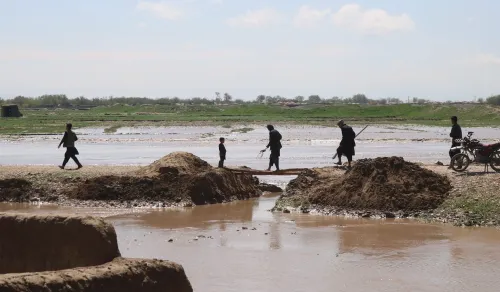
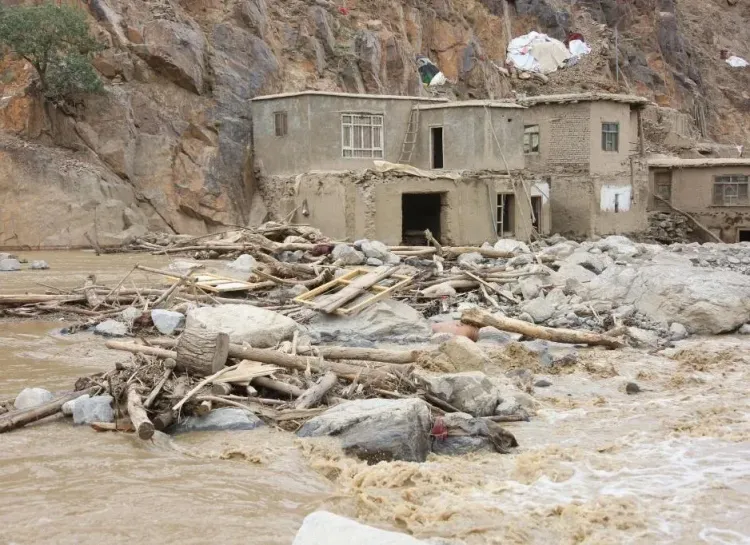
Parun, the provincial capital of Nuristan, was the worst-affected area, with numerous houses and infrastructure facilities damaged by the floodwaters, according to local authorities. Officials from the provincial disaster management department reached the affected zones and launched search-and-rescue operations, including recovery of victims' bodies and efforts to locate those still missing.
Yousuf Hammad, spokesperson for the Afghanistan National Disaster Management Authority (ANDMA), confirmed in a post on X that the floods caused heavy casualties in the province. He added that preliminary casualty and property-loss figures would be released only after investigations and damage assessments are completed.
Government Response
Zabihullah Mujahid, spokesperson for the Afghan government, separately posted on X expressing condolences to the families of those killed and called for an acceleration of ongoing search-and-rescue operations. The dual statements from senior officials signal the severity with which Kabul is treating the incident.
A Pattern of Recurring Catastrophe
Monday's disaster is not an isolated event. As recently as 9 June, Afghan authorities announced that at least 301 people had lost their lives and 385 sustained injuries from seasonal flash floods and related natural disasters across Afghanistan over just 10 weeks. That same period saw nearly 2,000 homes completely destroyed, with an additional 7,187 partially damaged. Around 580 km of roads were washed away, and agricultural produce across more than 30,300 acres of farmland was submerged or destroyed. A total of 18,812 families were affected nationwide, according to ANDMA.
Afghanistan's Vulnerability to Natural Disasters
Afghanistan ranks among the most disaster-prone countries in the world. Flash floods, landslides, droughts, and avalanches repeatedly claim lives, inflict substantial economic damage, and displace families — compounding the humanitarian crisis that has gripped the country for years. The recurrence of such events in Nuristan, a province with limited road access and sparse emergency infrastructure, makes relief operations particularly challenging. With search-and-rescue still under way, the death toll from Monday's floods could rise further as teams reach more remote areas.
Point of View
Not just weather. The Taliban administration's public response via X posts is visible, but the harder question is whether early-warning systems and pre-positioned relief supplies exist in provinces as remote as Nuristan. International humanitarian access remains constrained, meaning the gap between official statements and ground reality is likely wider than the numbers suggest.
NationPress
20 Oct 2026
Frequently Asked Questions
How many people were killed in the Afghanistan flash floods on 20 July 2025?
At least 20 people were killed in flash floods that struck Nuristan province in eastern Afghanistan on Monday, 20 July. Around 80 others were injured and more than 100 remain missing, with rescue operations still under way.
Which area was worst hit by the Nuristan floods?
Parun, the provincial capital of Nuristan, was identified by local authorities as the worst-affected area. Numerous houses and infrastructure facilities were damaged by the floodwaters.
What has the Afghan government said about the disaster?
ANDMA spokesperson Yousuf Hammad confirmed heavy casualties in a post on X and said preliminary damage figures would follow assessments. Afghan government spokesperson Zabihullah Mujahid separately expressed condolences and urged faster rescue operations.
How does this disaster compare to earlier 2025 flood deaths in Afghanistan?
As of 9 June, Afghan authorities had already recorded at least 301 deaths and 385 injuries from flash floods over 10 weeks. Monday's Nuristan floods add to that toll, underscoring the severity of Afghanistan's 2025 monsoon season.
Why is Afghanistan so vulnerable to flash floods?
Afghanistan ranks among the world's most disaster-prone countries due to its mountainous terrain, deforested hillsides, and limited drainage infrastructure. Flash floods, landslides, droughts, and avalanches recur seasonally, and provinces like Nuristan have restricted road access that slows relief delivery.