India sends flood relief to Afghanistan's Nuristan, 20 killed
Synopsis
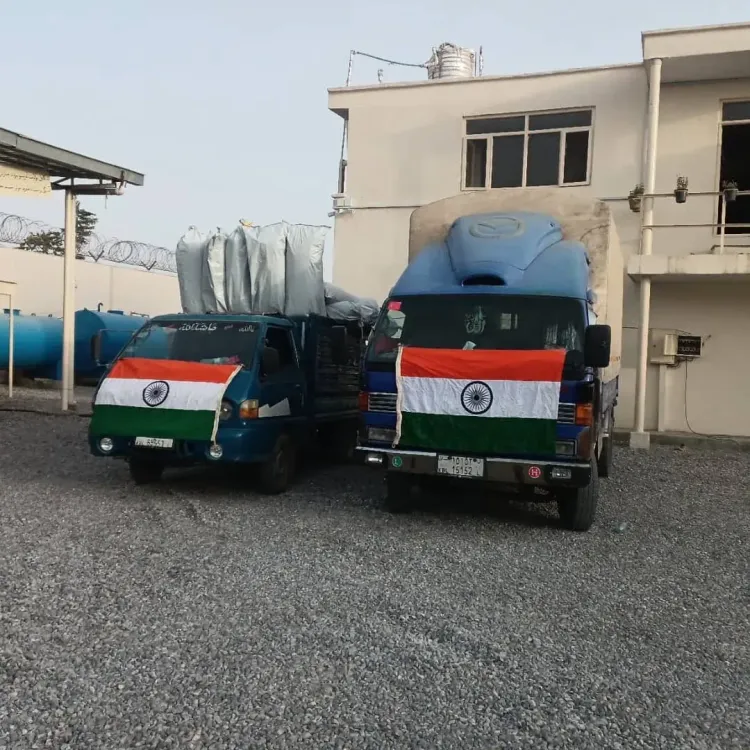
As flash floods tore through Nuristan's Parun city — killing at least 20, injuring 80, and leaving over 100 missing — India moved swiftly to deliver food and family tents to Afghanistan's disaster authority. The gesture signals New Delhi's continued humanitarian reach into Taliban-governed Afghanistan, even without formal diplomatic recognition.
Key Takeaways
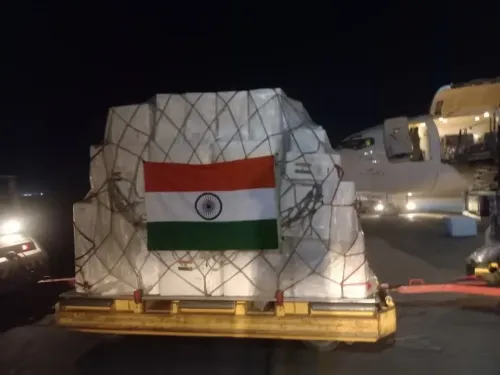
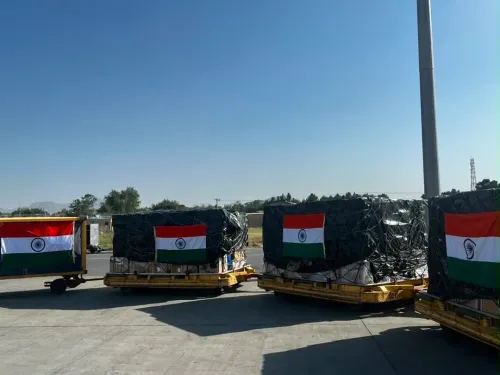
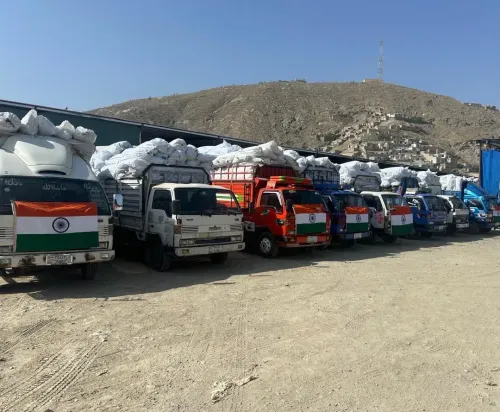
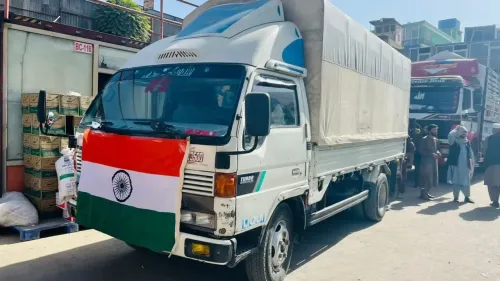
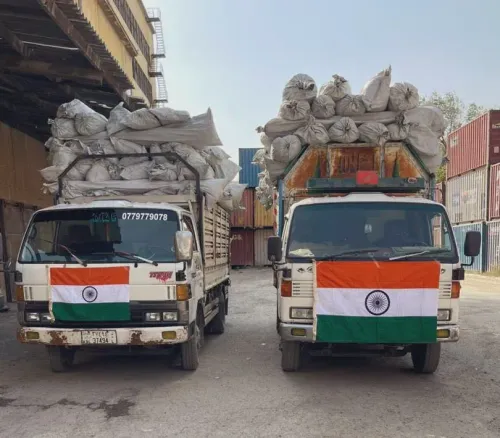
India delivered food items and family tents to Afghanistan's NDMA on 21 July in response to Nuristan floods.
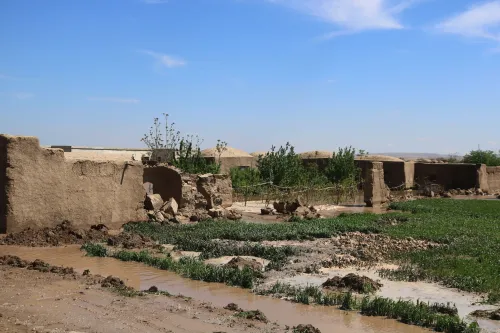
At least 20 people killed and more than 80 injured in flooding centred on Parun city, Nuristan province .
More than 100 people remain missing; NDMA spokesperson Hafiz Mohammad Yousuf Hamad warned the death toll could rise.
Mountainous terrain and poor road access are hampering search and rescue operations in Nuristan.
The Ministry of External Affairs (MEA) confirmed the aid delivery via an official post on X.
India on Tuesday, 21 July delivered emergency relief material — including food items and family tents — to Afghanistan's National Disaster Management Authority (NDMA) to support communities devastated by flash floods in Nuristan province. The delivery underscores New Delhi's continued humanitarian engagement with Kabul despite the complex diplomatic backdrop of Taliban governance.
What India Delivered and Why
The Ministry of External Affairs (MEA) confirmed the aid dispatch in a post on X, stating: 'In the wake of the devastating floods in Nuristan, India delivers relief materials, including food items and family tents, to Afghanistan's National Disaster Management Authority to support affected communities. India stands with the Afghan people at this difficult time.'
The relief was channelled directly through the Taliban-run NDMA — a pragmatic step that reflects India's policy of maintaining humanitarian corridors to Afghanistan even without formal diplomatic recognition of the Taliban administration.
Scale of the Disaster in Nuristan
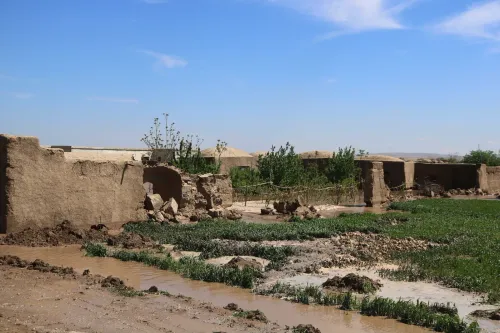
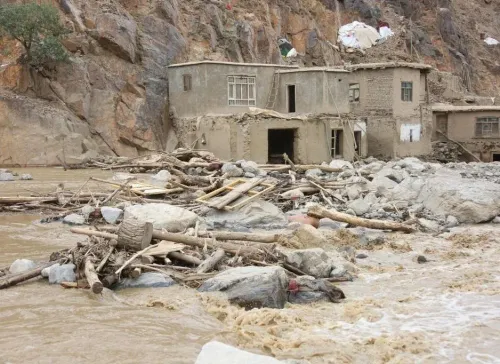
At least 20 people have been killed and more than 80 others injured following severe flooding in Parun city, the provincial capital of Nuristan, according to local media. The Taliban-run NDMA confirmed that heavy floods had struck Parun and several surrounding areas, causing significant casualties and widespread infrastructure damage.
More than 100 people remain missing, according to a statement highlighted by Afghanistan's Khaama Press news agency, citing Taliban authorities. Hafiz Mohammad Yousuf Hamad, head of information and spokesperson for the NDMA, said specialised rescue teams had been deployed to the affected zones to assess damage, search for survivors, and account for those swept away.
Hamad cautioned that casualty figures remain fluid, as search and rescue operations are ongoing in difficult terrain.
Why Rescue Operations Are Challenging
Nuristan's mountainous geography and limited road connectivity have significantly hampered relief efforts. The floods were triggered by heavy rainfall across the province — a recurring hazard in a region where infrastructure is sparse and early-warning systems are limited.
Residential homes, agricultural land, and commercial establishments were damaged or destroyed, causing what authorities described as heavy financial losses. With over 100 people still unaccounted for, officials fear the death toll could climb further as teams push deeper into remote areas.
Afghanistan's Vulnerability to Extreme Weather
Afghanistan is among the world's most climate-vulnerable nations, regularly battered by floods, landslides, and droughts. Nuristan — a mountainous northeastern province — is particularly exposed to seasonal flash floods, which have caused repeated loss of life and displacement in recent years.
This is not the first time India has extended disaster relief to Afghanistan; New Delhi has previously provided humanitarian assistance following earthquakes and other natural calamities, maintaining people-to-people ties even as formal bilateral relations navigate the post-2021 political transition.
What Happens Next
With rescue operations still active and the missing-persons count exceeding 100, authorities have not ruled out a significant rise in the confirmed death toll. International attention on the Nuristan floods is expected to intensify as the full extent of damage becomes clearer in the coming days.
Point of View
Regardless of recognition status. What mainstream coverage underplays is the pattern: New Delhi has now extended disaster relief to Afghanistan multiple times since 2021, building soft-power equity in a country where China and Pakistan are also competing for influence. The Nuristan floods also expose a structural gap — Afghanistan's disaster-response capacity remains critically under-resourced, and with over 100 people still missing in one province alone, the humanitarian situation is likely worse than current figures suggest.
NationPress
20 Oct 2026
Frequently Asked Questions
What relief did India send to Afghanistan for the Nuristan floods?
India delivered food items and family tents to Afghanistan's National Disaster Management Authority on 21 July 2025 to support communities affected by flash floods in Nuristan province. The Ministry of External Affairs confirmed the delivery in an official post on X.
How many people have been killed or injured in the Nuristan floods?
At least 20 people have been killed and more than 80 others injured due to flooding in Parun city, Nuristan province, according to local media reports. More than 100 people remain missing, and authorities warn the death toll could rise as rescue operations continue.
Why are rescue operations difficult in Nuristan?
Nuristan is a mountainous province with limited road access, making it hard for rescue teams to reach affected areas quickly. Heavy rainfall compounded the challenge, and specialised teams have been deployed to search for survivors and assess the full extent of damage.
What did Afghanistan's NDMA say about the floods?
The Taliban-run NDMA confirmed that heavy floods struck Parun and several surrounding areas of Nuristan, causing significant casualties and infrastructure damage. Spokesperson Hafiz Mohammad Yousuf Hamad said casualty figures remain subject to change as search and rescue operations are still ongoing.
Has India provided disaster relief to Afghanistan before?
Yes, India has extended humanitarian assistance to Afghanistan on previous occasions following natural disasters, including earthquakes, maintaining people-to-people ties even amid the complex diplomatic situation following the Taliban's return to power in 2021.