India delivers medicines to Kabul hospital, reaffirms Afghan health partnership
Synopsis
India's fourth publicly confirmed medical delivery to Afghanistan in three months — medicines to a Kabul government hospital — reveals a deliberate policy of sustained humanitarian engagement that sidesteps formal diplomatic recognition of the Taliban while keeping people-to-people health ties intact. The pattern, spanning vaccines, flood relief, and now consumables, is anything but ad hoc.
Key Takeaways
India delivered medicines and medical consumables to a government hospital in Kabul on 20 August .
In June , India had delivered 5 tonnes of essential medicines to Kabul.
On 22 May , India sent 20 tonnes of BCG and Td vaccine materials to support Afghanistan's child immunisation programme.
Last month, India delivered food items and family tents to Afghanistan's National Disaster Management Authority following floods in Nuristan .
MEA spokesperson Randhir Jaiswal confirmed India's engagement with Afghanistan has expanded across diplomacy, humanitarian aid, and development cooperation.
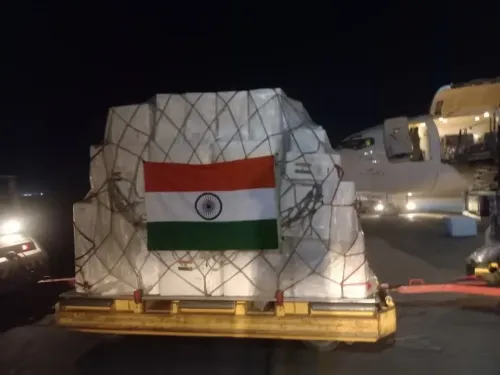
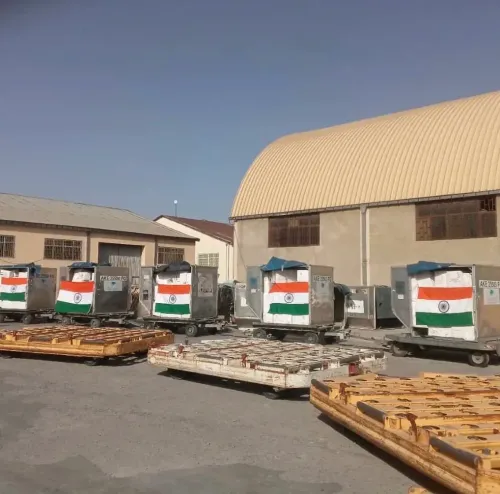
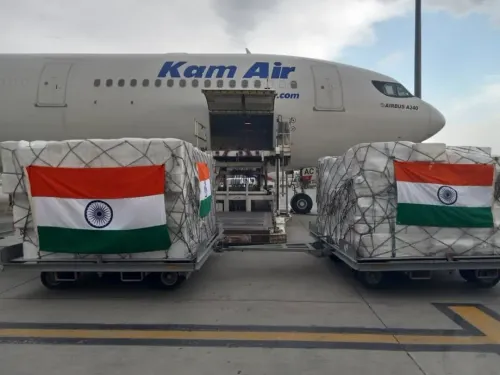
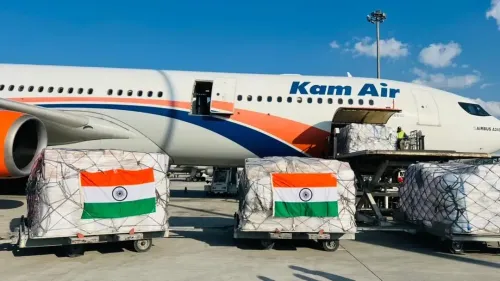
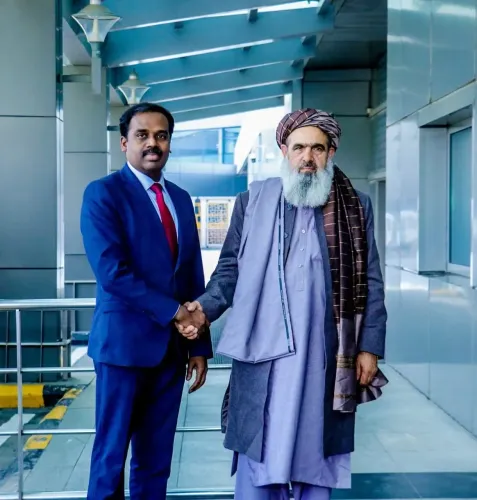
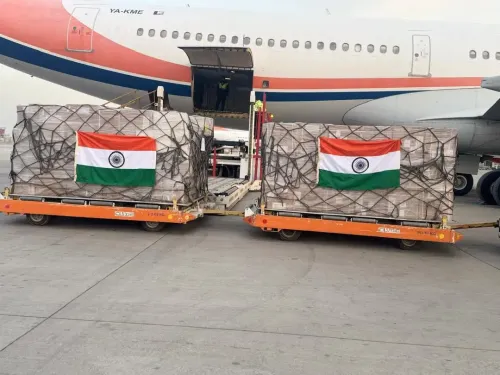
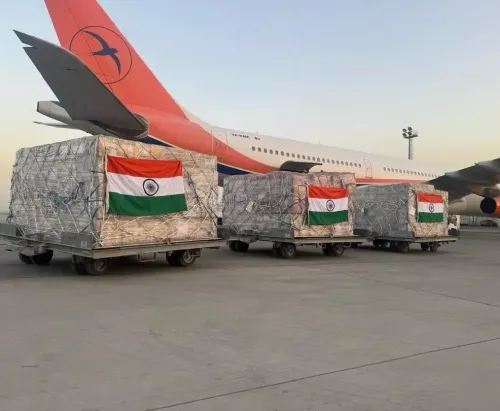
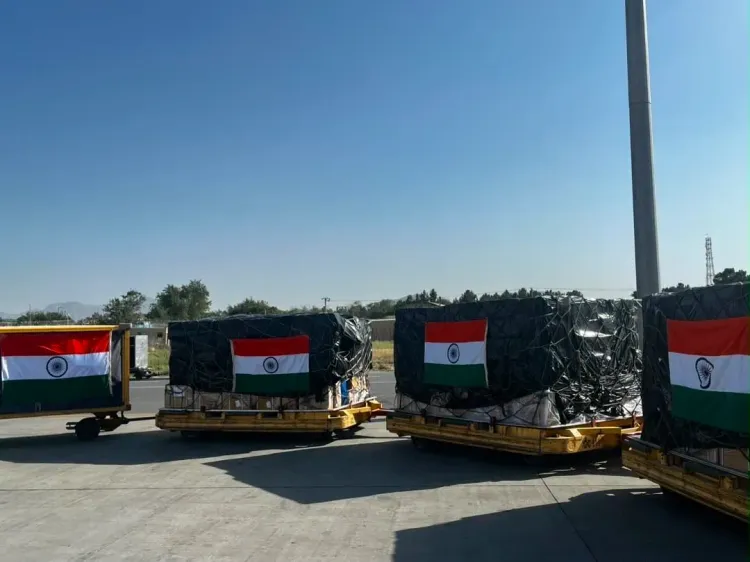
India on Thursday, 20 August delivered medicines and medical consumables to a government hospital in Kabul, continuing its sustained humanitarian engagement with Afghanistan. The Ministry of External Affairs (MEA) confirmed the delivery, describing it as a reaffirmation of India's enduring health partnership with the Afghan people.
What Was Delivered
The latest consignment comprises medicines and medical consumables dispatched to a government-run hospital in Kabul. The MEA, posting on X, said the delivery was aimed at 'augmenting Afghanistan's healthcare' and underscored India's commitment to the welfare of the Afghan people. Specific quantities were not disclosed in the official statement.
India's Expanding Humanitarian Footprint in Afghanistan
Thursday's delivery is part of a broader pattern of assistance that has accelerated over the past year. Earlier in June, India delivered 5 tonnes of essential medicines to Kabul. Before that, on 22 May, India sent 20 tonnes of critical dry materials for Bacillus Calmette-Guerin (BCG) and Tetanus and Diphtheria (Td) vaccines to bolster Afghanistan's child immunisation programme, with the MEA noting that 'more consignments are underway.'
Last month, following devastating floods in Nuristan, India also delivered relief materials — including food items and family tents — to Afghanistan's National Disaster Management Authority to support affected communities.
What the Government Said
MEA spokesperson Randhir Jaiswal, addressing a bi-weekly media briefing in New Delhi earlier this week, stated that India's engagement with Afghanistan has gained momentum over the past year across three pillars: diplomatic exchanges, humanitarian assistance, and development cooperation.
'India shares a long-standing relationship with the Afghan people. Our engagement with Afghanistan has gained momentum over the past year, including through diplomatic exchanges, humanitarian assistance that we have offered, as well as our development cooperation programmes. The nature and level of engagement with Afghanistan will continue to be guided by these priorities that I just outlined,' Jaiswal said.
Why This Matters
India's continued assistance to Afghanistan is notable given the complex diplomatic environment since the Taliban's return to power in 2021. New Delhi has chosen to maintain a humanitarian channel, prioritising people-to-people ties and public health outcomes over formal diplomatic recognition. This is the fourth publicly confirmed medical or relief delivery to Afghanistan in roughly three months, signalling a deliberate and consistent policy posture rather than one-off gestures.
With Afghanistan's healthcare system under severe strain and child immunisation coverage having declined sharply since 2021, India's vaccine and medicine deliveries address some of the most acute gaps on the ground. The trajectory of this engagement will be closely watched as India navigates its broader regional interests in South and Central Asia.
Point of View
Consistent aid channel, New Delhi keeps a foot in the door of Afghan public life without formally legitimising the Taliban government. The frequency of these consignments — four in roughly three months — suggests a calibrated escalation, not routine goodwill. What is missing from the official framing is any accountability mechanism: there is no public reporting on how supplies are distributed inside Afghanistan or whether they reach the intended beneficiaries. As India deepens this engagement, the absence of a transparent delivery-and-distribution framework is a credibility gap that could undermine the very trust it is trying to build.
NationPress
5 Oct 2026
Frequently Asked Questions
What did India deliver to Afghanistan on 20 August?
India delivered medicines and medical consumables to a government hospital in Kabul on 20 August. The Ministry of External Affairs confirmed the delivery as part of India's ongoing humanitarian health partnership with Afghanistan.
How much aid has India sent to Afghanistan in recent months?
India has made at least four publicly confirmed deliveries since May: 20 tonnes of BCG and Td vaccine materials on 22 May, 5 tonnes of essential medicines in June, flood relief including food and tents to the National Disaster Management Authority last month, and the latest medicine consignment on 20 August.
Why is India sending aid to Afghanistan given the Taliban's governance?
India has chosen to maintain a humanitarian channel with Afghanistan without formally recognising the Taliban administration. The government has framed its assistance as people-to-people support, prioritising public health and welfare of Afghan citizens over political considerations.
What has the MEA said about India's engagement with Afghanistan?
MEA spokesperson Randhir Jaiswal said India's engagement with Afghanistan has gained momentum over the past year, spanning diplomatic exchanges, humanitarian assistance, and development cooperation. He indicated this approach will continue to guide the relationship going forward.
What is the significance of India's vaccine delivery to Afghanistan in May?
On 22 May, India delivered 20 tonnes of dry materials for BCG and Tetanus and Diphtheria vaccines to Kabul to support Afghanistan's child immunisation programme. The MEA noted more consignments were underway, signalling a sustained commitment to reversing the decline in child vaccination coverage since 2021.