India delivers 20 tonnes of BCG, Td vaccines to Afghanistan for child immunisation
Synopsis
India's 20-tonne vaccine delivery to Kabul on 22 May is the third major health consignment in two months — BCG and Td materials for child immunisation following earlier TB vaccine supplies and post-earthquake relief. New Delhi is quietly running one of its most active humanitarian corridors to Afghanistan, all without formal diplomatic recognition of the Taliban.
Key Takeaways
India delivered 20 tonnes of BCG and Td vaccine dry materials to Kabul on 22 May 2025 .
MEA spokesperson Randhir Jaiswal confirmed the delivery and said more consignments are underway.
In April , India had already sent 13 tonnes of BCG vaccines to Afghanistan's Ministry of Public Health for TB immunisation.
On 5 April , India dispatched HADR materials — including hygiene kits, tarpaulins, and sleeping bags — after floods and earthquakes.
In March , India sent a 2.5-tonne emergency medical consignment for victims of the 16 March Pakistani strike on Kabul's Omid Addiction Treatment Hospital, which reportedly killed over 400 people .
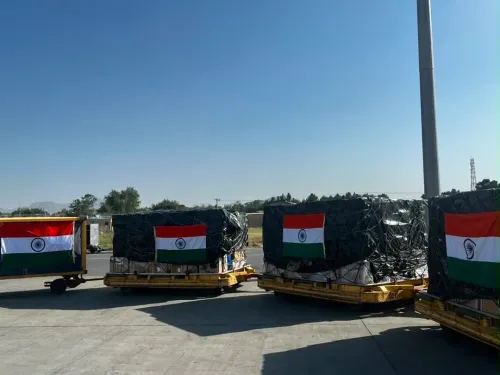
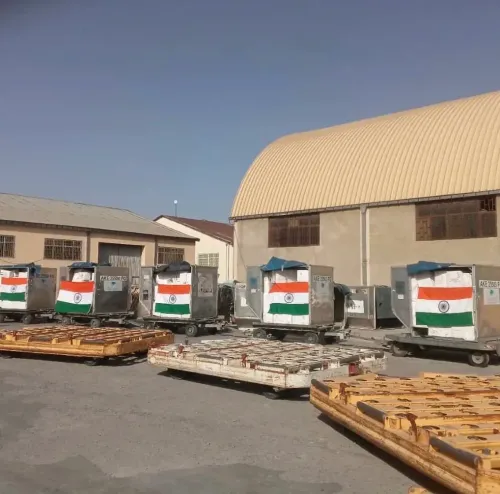
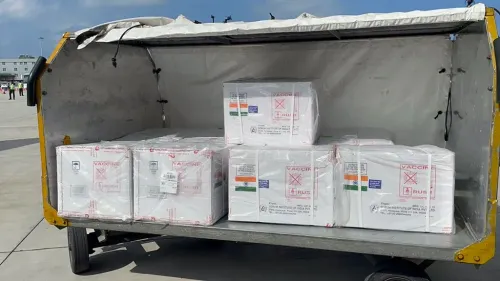
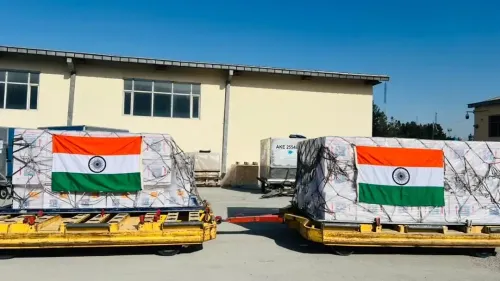
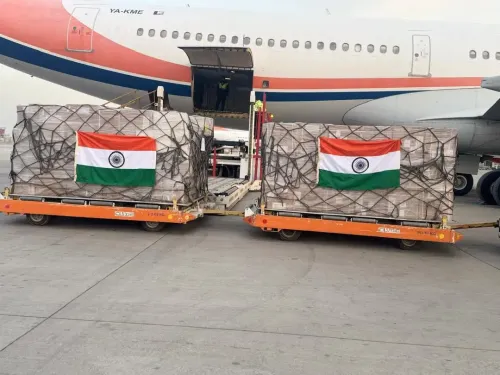
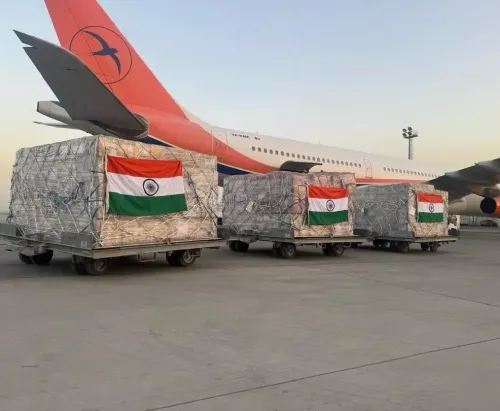
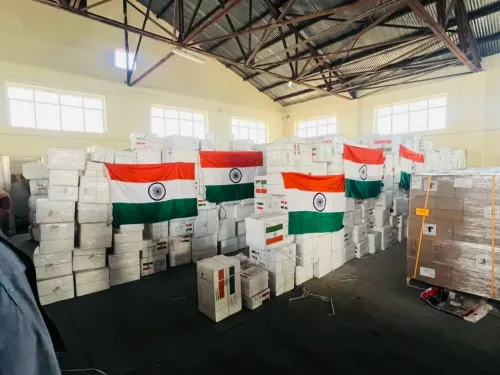
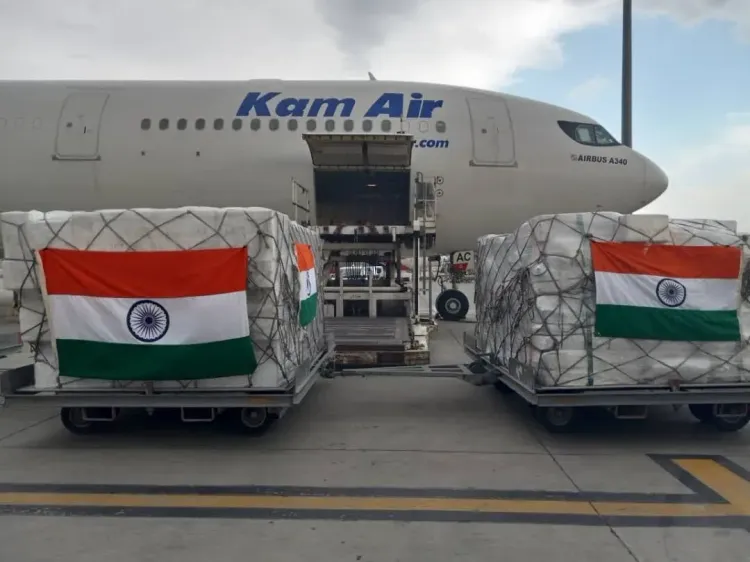
India on Friday, 22 May delivered 20 tonnes of critical dry materials for Bacillus Calmette–Guérin (BCG) and Tetanus and Diphtheria (Td) vaccines to Kabul, reinforcing New Delhi's ongoing humanitarian commitment to Afghanistan's child immunisation programme. The consignment is the latest in a series of health and relief shipments India has dispatched to the country in recent months.
What Was Delivered and Why It Matters
Ministry of External Affairs (MEA) spokesperson Randhir Jaiswal confirmed the delivery, stating: 'India delivers 20 tonnes of critical dry materials for BCG and Tetanus and Diphtheria (Td) vaccines to Kabul, to augment Afghanistan's Child Immunisation Programme. More consignments are underway. India is committed to support the friendly people of Afghanistan in the health sector.'
BCG vaccines protect children against tuberculosis, while Td vaccines guard against two potentially fatal bacterial infections. Afghanistan's immunisation infrastructure has been severely strained since 2021, making external supply chains critical to sustaining public health coverage for its youngest population.
A Pattern of Sustained Health Support
This delivery builds on a 13-tonne BCG vaccine consignment India sent in April to support Afghanistan's child immunisation drive against tuberculosis. Jaiswal had confirmed that shipment as well, noting it was directed to Afghanistan's Ministry of Public Health.
Notably, this is the third major health-related consignment India has dispatched to Afghanistan within roughly two months, signalling a deliberate and sustained engagement rather than one-off aid.
Broader Humanitarian Assistance in 2025
Beyond vaccines, India has extended multiple rounds of humanitarian support to Afghanistan this year. On 5 April, New Delhi sent Humanitarian Assistance and Disaster Relief (HADR) materials — including kitchen sets, hygiene kits, plastic sheets, tarpaulins, and sleeping bags — following devastating floods and earthquakes that displaced thousands of Afghans.
In March, India dispatched a 2.5-tonne consignment of emergency medicines, medical disposables, kits, and equipment to Kabul. The aid was specifically directed at supporting victims of a Pakistani strike on 16 March that targeted the 2,000-bed Omid Addiction Treatment Hospital in Kabul's Pul-e-Charkhi area, reportedly killing over 400 people and injuring more than 250 others. The MEA described the attack as 'heinous' and pledged continued support.
India's Strategic Posture on Afghanistan
India's repeated humanitarian outreach to Afghanistan comes despite the absence of formal diplomatic recognition of the Taliban administration. Analysts note that New Delhi's approach — channelling aid through health ministries and relief frameworks — allows it to maintain people-to-people ties and preserve long-term strategic interests in the region without conferring political legitimacy.
With more vaccine consignments reportedly underway, India's health diplomacy in Afghanistan appears set to deepen through the remainder of 2025.
Point of View
New Delhi maintains an active presence in Kabul without the political liability of formal Taliban recognition. The frequency — three major consignments in under two months — suggests a deliberate policy rather than reactive charity. What mainstream coverage misses is that this sustained engagement gives India leverage in any future Afghan political settlement, at minimal diplomatic cost today.
NationPress
26 Sept 2026
Frequently Asked Questions
What did India deliver to Afghanistan on 22 May 2025?
India delivered 20 tonnes of dry materials for BCG and Tetanus and Diphtheria (Td) vaccines to Kabul on 22 May 2025, aimed at augmenting Afghanistan's Child Immunisation Programme. MEA spokesperson Randhir Jaiswal confirmed the delivery and said further consignments are underway.
Why is India sending vaccines to Afghanistan?
India is supporting Afghanistan's child immunisation programme, which has been under severe strain. BCG vaccines protect against tuberculosis, while Td vaccines guard against tetanus and diphtheria — both critical for child health in a country with a fragile public health system.
What other humanitarian aid has India sent to Afghanistan in 2025?
In April 2025, India sent 13 tonnes of BCG vaccines for TB immunisation. On 5 April, it dispatched HADR materials including kitchen sets, hygiene kits, and sleeping bags after floods and earthquakes. In March, it sent a 2.5-tonne emergency medical consignment for victims of a Pakistani airstrike on a Kabul hospital.
What was the Pakistani strike on the Kabul hospital in March 2025?
On 16 March 2025, a Pakistani strike targeted the 2,000-bed Omid Addiction Treatment Hospital in Kabul's Pul-e-Charkhi area, reportedly killing over 400 people and injuring more than 250 others. India responded by sending emergency medicines and medical equipment to support the injured.
Does India formally recognise the Taliban government in Afghanistan?
India has not formally recognised the Taliban administration. However, it continues to extend humanitarian assistance through health ministries and relief frameworks, maintaining people-to-people engagement without conferring political legitimacy on the Taliban.