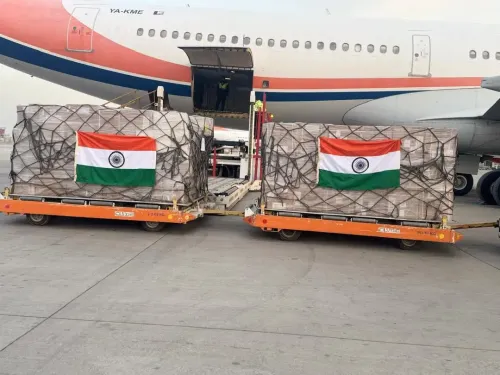
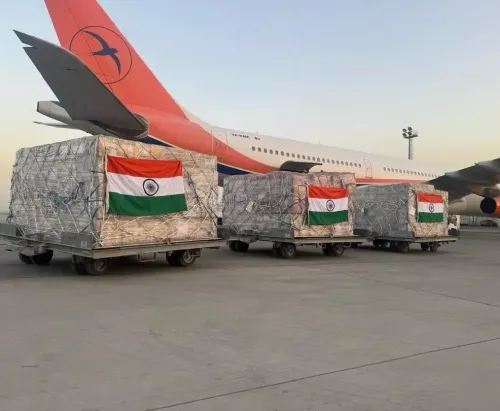
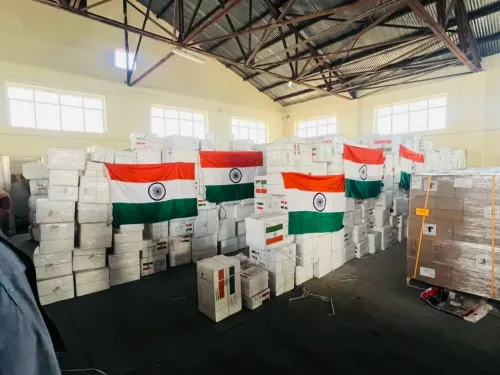
India sends another 5 tonnes of medicines to Afghanistan on 17 June
Synopsis
India has now delivered multiple medicine and vaccine consignments to Kabul in quick succession — 20 tonnes of BCG and Td vaccines on 22 May, and another 5 tonnes of essential medicines on 17 June. The pace signals that New Delhi is quietly deepening its humanitarian footprint in Afghanistan even as the diplomatic relationship with the Taliban government remains carefully managed.
Key Takeaways
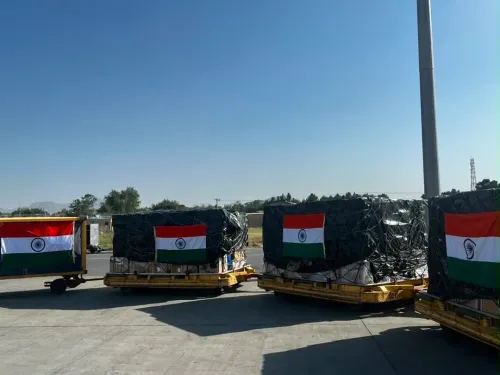
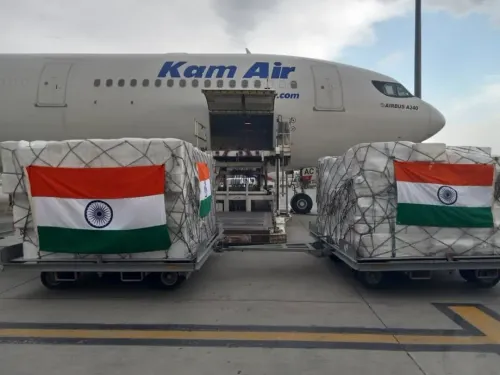
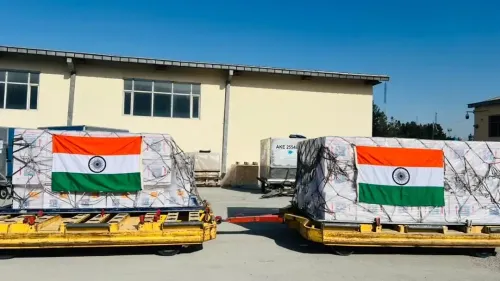
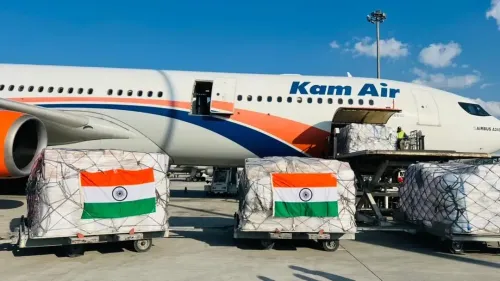
India delivered 5 tonnes of essential medicines to Kabul on 17 June 2025 .
MEA spokesperson Randhir Jaiswal confirmed the shipment via a post on X .
On 22 May , India had sent 20 tonnes of BCG and Tetanus and Diphtheria (Td) vaccine materials to bolster Afghanistan's child immunisation drive.
India's Permanent Representative reiterated the partnership at a UNAMA briefing in New York last week.
The MEA has indicated that further consignments are planned, covering food security, medicines, and health support.
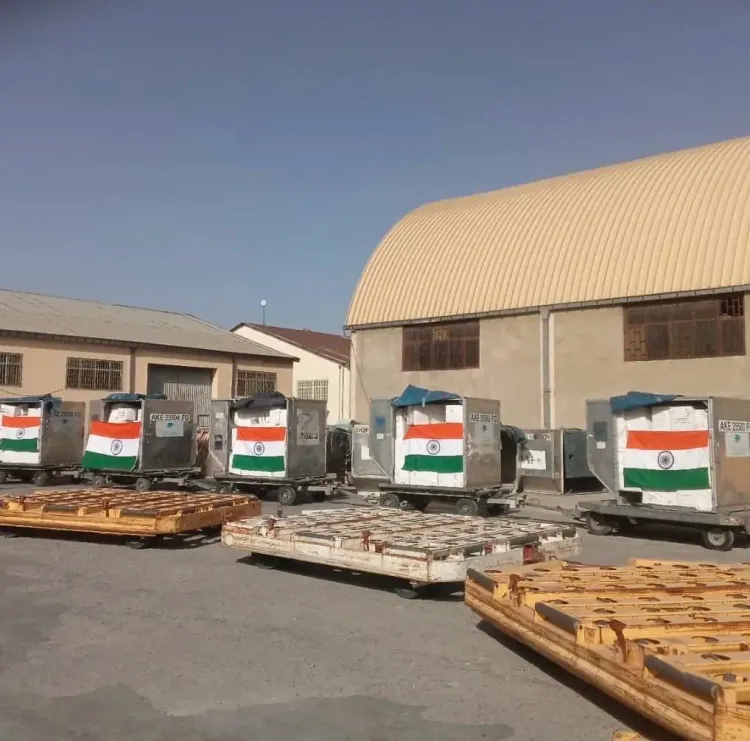
India on Wednesday, 17 June delivered another 5 tonnes of essential medicines to Kabul, continuing its sustained humanitarian assistance programme for Afghanistan. The consignment underscores New Delhi's long-standing commitment to the health and welfare of the Afghan people amid an ongoing aid partnership that spans food security, pharmaceuticals, and immunisation.
What Was Delivered
Ministry of External Affairs (MEA) spokesperson Randhir Jaiswal confirmed the delivery on X, stating: 'India delivers another 5 tonnes of essential medicines to Kabul, reaffirming its enduring commitment to humanitarian assistance and the well-being of the Afghan people.' The specifics of the medicines in this consignment were not detailed in official communications.
Part of a Broader Aid Pattern
This latest shipment is part of a series of deliveries that have accelerated in recent weeks. On 22 May, India sent 20 tonnes of critical dry materials for Bacillus Calmette–Guerin (BCG) and Tetanus and Diphtheria (Td) vaccines to Kabul to strengthen Afghanistan's Child Immunisation Programme. The MEA had noted at the time that 'more consignments are underway.'
India's Position at the UN
Last week, India's Permanent Representative to the United Nations made a statement at the UN Assistance Mission in Afghanistan (UNAMA) briefing in New York, reiterating the depth of bilateral ties. Addressing a weekly media briefing in New Delhi, Jaiswal elaborated: 'India and Afghanistan are contiguous neighbours. As civilisational states, our ties have spanned centuries. We stand in favour of peace and stability in Afghanistan and in the region so as to foster development and stability in the region.'
He further noted India's ongoing development cooperation covering food security, medicine, pharma support, and health — framing the aid not as emergency relief alone but as part of a durable partnership.
Why This Matters
Afghanistan continues to face a severe humanitarian crisis, with the health system heavily dependent on external support. India's repeated medicine and vaccine shipments position New Delhi as one of the few regional powers maintaining an active, on-ground aid presence in the country. Notably, this engagement continues despite the complex diplomatic context following the Taliban's return to power. India has consistently framed its assistance as people-centric, directed at Afghan citizens rather than the governing authority.
With the MEA signalling that further consignments are planned, India's health-sector partnership with Afghanistan is set to deepen through the remainder of 2025.
Point of View
While avoiding formal engagement with the Taliban. The framing of 'civilisational ties' and 'friendly people' is deliberate — it lets New Delhi sustain the relationship without conferring legitimacy on the governing authority. The real question is whether this soft-power investment will translate into any diplomatic leverage as Afghanistan's political future remains unresolved.
NationPress
26 Sept 2026
Frequently Asked Questions
What did India deliver to Afghanistan on 17 June 2025?
India delivered 5 tonnes of essential medicines to Kabul on 17 June 2025 as part of its continuing humanitarian assistance programme. The MEA confirmed the shipment through an official post on X.
What aid had India sent to Afghanistan before this consignment?
On 22 May 2025, India delivered 20 tonnes of dry materials for BCG and Tetanus and Diphtheria vaccines to Kabul to support Afghanistan's Child Immunisation Programme. The MEA had indicated at the time that more consignments were planned.
Why is India providing humanitarian aid to Afghanistan?
India frames its aid as support for the Afghan people, citing centuries-old civilisational ties and a long-standing development partnership covering health, food security, and pharmaceuticals. Officials have consistently stated that India stands for peace and stability in Afghanistan and the wider region.
What did India say at the UNAMA briefing?
India's Permanent Representative at the United Nations made a statement at the UNAMA briefing in New York last week, reiterating India's commitment to humanitarian assistance and development cooperation with Afghanistan. MEA spokesperson Randhir Jaiswal quoted the statement at a weekly media briefing in New Delhi.
Will India send more aid to Afghanistan?
Yes, the MEA has indicated that further consignments are underway, with India committed to supporting Afghanistan across health, medicine, pharma, and food security sectors.