Glasgow turns old police stations into homes as crime falls
Synopsis
Glasgow is quietly turning its old police stations into homes — and the 2026 Commonwealth Games has put an international spotlight on it. With crime down and Police Scotland needing fewer fixed stations, the city is converting symbols of enforcement into affordable housing, offering the clearest architectural proof yet that Glasgow's transformation from crime capital to regeneration story is real.
Key Takeaways
Glasgow is converting multiple former police stations into residential homes and affordable housing as part of a broader urban regeneration push.
Scotland has seen a sustained decline in many crime categories over the past two decades, reducing the need for traditional police stations.
Police Scotland has shifted toward community patrol policing, making many ageing, costly fixed stations redundant.
The redevelopments preserve the buildings' original stone facades and iron gates, retaining Glasgow's architectural heritage.
The conversions are drawing international attention during the 2026 Commonwealth Games , held in Glasgow.
Glasgow's former police stations — their iron gates and stone facades intact — are being converted into residential homes and affordable housing, marking one of the most striking urban transformations in the Scottish city's recent history. The redevelopments, unfolding as thousands of athletes and visitors arrive for the 2026 Commonwealth Games, signal a city redefining its identity from a centre of crime and enforcement to one of community-led regeneration.
Why the stations are closing
Scotland has recorded a sustained decline across many crime categories over the past two decades. Combined with advances in policing technology and a shift toward community patrol models, Police Scotland no longer requires the same number of traditional, fixed police stations it once did. Many of the ageing buildings have also become costly to maintain, making continued operation difficult to justify.
Rather than leaving these structures vacant and deteriorating, authorities have opted to repurpose them — some as affordable housing units, others as residential apartments — preserving Glasgow's architectural heritage while addressing the city's ongoing housing pressures.
What the conversions look like on the ground
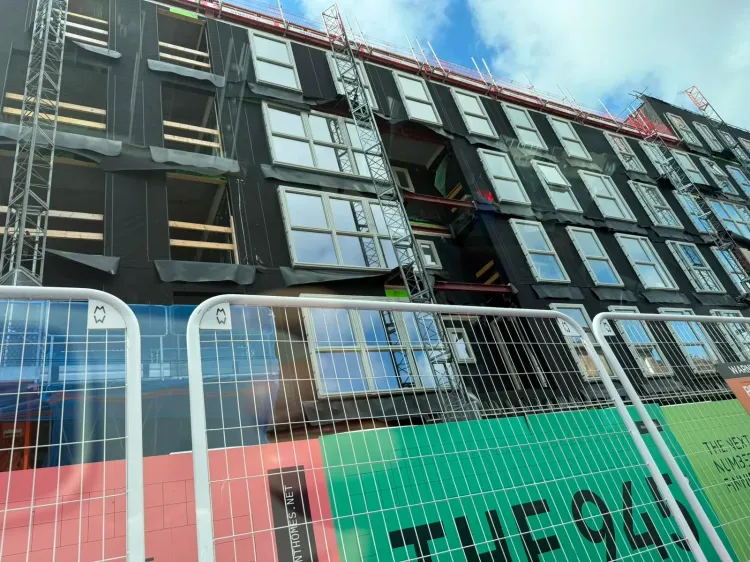
The physical fabric of the old stations has largely been retained. Imposing stone exteriors and heavy iron gates remain visible, now framing entrances to future homes rather than holding areas for suspects. Spaces once used as interrogation rooms and holding cells are being redesigned as living quarters where, as residents note, birthdays will be celebrated and children will grow up.
The contrast is deliberate. Authorities and developers have chosen to preserve the buildings' histories rather than erase them, allowing the architecture itself to tell the story of the city's evolution.
Residents and visitors react
'It's wonderful to see these old buildings being used again instead of lying empty,' said a resident living near one of the redeveloped sites. 'Years ago people associated these places with fear or trouble. Now they will become homes where children can grow up. That's a beautiful transformation.'
Another local resident connected the conversions to a broader shift in the city's character. 'Our city has changed enormously over the years,' he said. 'Crime isn't what it used to be, and policing has evolved. Turning old police stations into housing shows Glasgow is looking forward while respecting its history.'
Visitors arriving for the 2026 Commonwealth Games have also taken note. 'It's hard to imagine a former police station becoming someone's home,' said an Indian tourist in the city for the Games. 'It says a lot about how the city has progressed. You don't often see buildings with such a history getting such a positive future.'
Glasgow's broader urban shift
Once internationally associated with gang violence and organised crime, Glasgow has spent the past two decades investing in urban regeneration and public infrastructure. The police station conversions are, in many ways, the most visible symbol of that longer arc — not a city erasing its past, but one actively redefining it.
This comes amid the global spotlight of the Commonwealth Games, offering an unscripted narrative beyond the stadiums: a post-industrial city turning the architecture of law enforcement into the foundations of community life. As the Games conclude and visitors return home, these converted buildings will remain — quiet evidence of how far Glasgow has come.
Point of View
Or whether regeneration, as it so often does, ends up pricing them out. Symbolism is cheap; tenure terms are not.
NationPress
24 Oct 2026
Frequently Asked Questions
Why is Glasgow converting police stations into homes?
Glasgow is repurposing former police stations into residential housing because Scotland has seen a sustained fall in crime over two decades, and Police Scotland now requires fewer traditional fixed stations. Many of the ageing buildings had also become expensive to maintain, making conversion a practical and community-minded alternative to leaving them vacant.
Which city are these police station conversions happening in?
The conversions are taking place across Glasgow, Scotland. Several former police stations in the city are being redeveloped into affordable housing and residential apartments, preserving the buildings' original architecture.
How does this relate to the 2026 Commonwealth Games?
The 2026 Commonwealth Games are being held in Glasgow, bringing thousands of athletes and international visitors to the city. The police station conversions have drawn attention as an off-pitch story of urban transformation, offering visitors a glimpse of Glasgow beyond the sporting venues.
Has crime actually fallen in Glasgow and Scotland?
According to reports, Scotland has recorded a sustained decline across many categories of crime over the past two decades. This reduction, combined with modern policing methods and a move toward community patrol, has meant Police Scotland no longer needs as many fixed stations as it once did.
What happens to the original architecture of the converted stations?
The buildings' original stone facades and iron gates are being retained in the redevelopments. Authorities and developers have chosen to preserve the historic character of the structures rather than demolish them, allowing the architecture to reflect Glasgow's history even as the interiors are redesigned as homes.