Hawk Fire near Nevada-California border injures 6, forces 42,000 to evacuate
Synopsis
The Hawk Fire near Reno has torched over 13,000 acres, remains completely uncontained, and has pushed more than 87,000 people into evacuation or warning zones — with Nevada's governor declaring a state of emergency. It is the second major wildfire emergency in the western US within weeks, signalling an intensifying fire season.
Key Takeaways
The Hawk Fire near the Nevada-California border has burned more than 13,000 acres and is zero percent contained as of 24 August .
At least six people were injured — three civilians and three first responders.
42,000 residents were ordered to evacuate; an additional 45,000 are under evacuation warnings.
About 10,000 customers in Washoe County lost power on Sunday.
Nevada Governor Joe Lombardo declared a state of emergency for Washoe County on Saturday night.
The blaze follows the Summit Fire in Southern California in July, which burned nearly 2,700 acres near Llano.
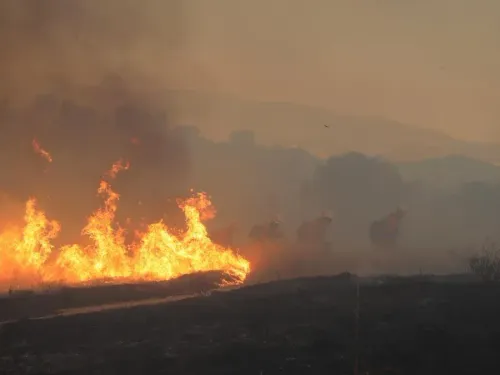
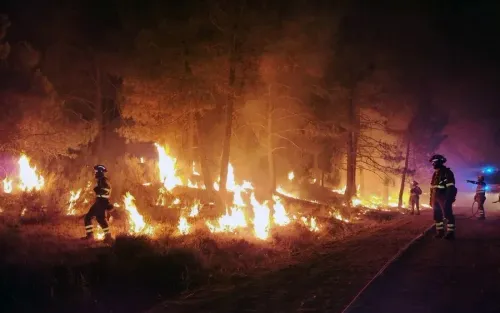
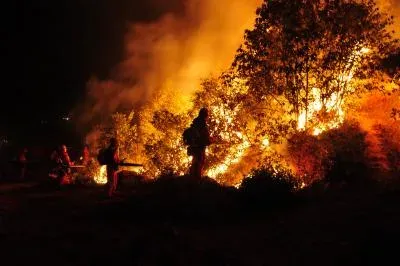
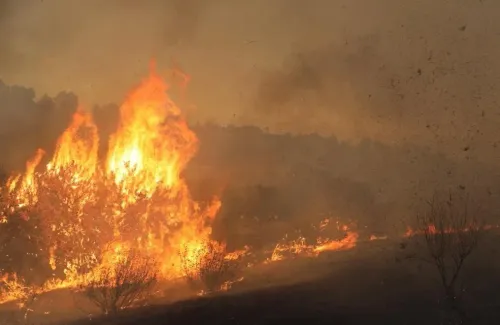
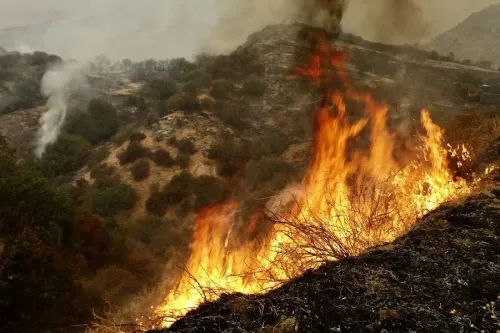
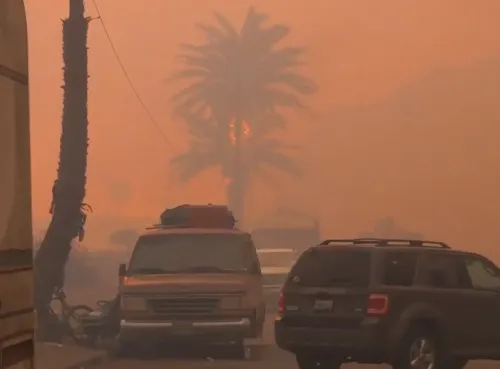
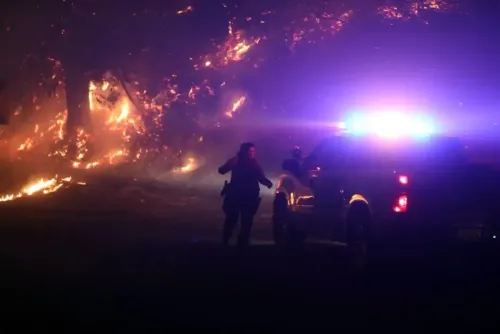
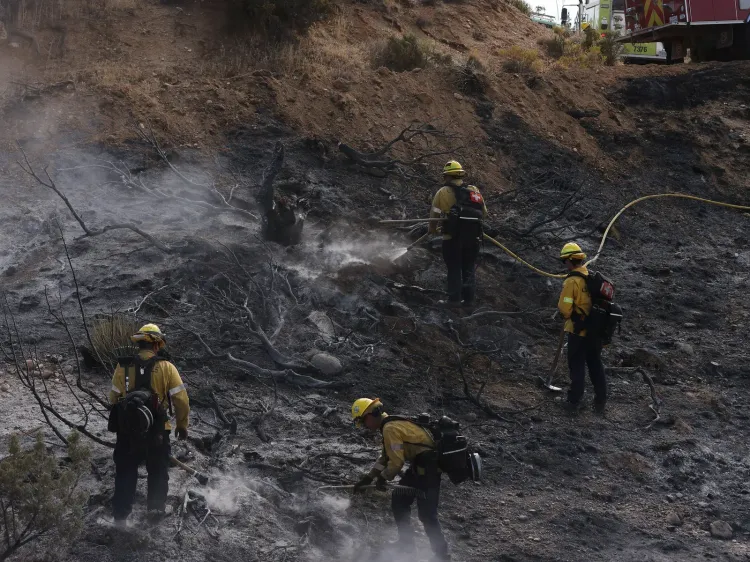
A fast-moving wildfire near the Nevada-California border has injured at least six people and forced 42,000 residents to evacuate as it surged toward Reno, the largest city in northwestern Nevada, on Sunday, 24 August. The blaze, known as the Hawk Fire, remained completely uncontained as authorities scrambled to protect lives and infrastructure.
Scale of the Fire
The Hawk Fire, which ignited on Saturday, had scorched more than 13,000 acres (approximately 53 square kilometres) by Sunday, fire officials confirmed at a press conference. The fire remained zero percent contained, with officials describing extreme fire behaviour driven by strong winds pushing flames through dry, light fuels at rapid speed.
Beyond those already evacuated, an additional 45,000 people were placed under evacuation warnings, meaning the total population at immediate risk exceeded 87,000. Several structures have been confirmed destroyed, though a full damage assessment was not immediately available.
Casualties and Power Outages
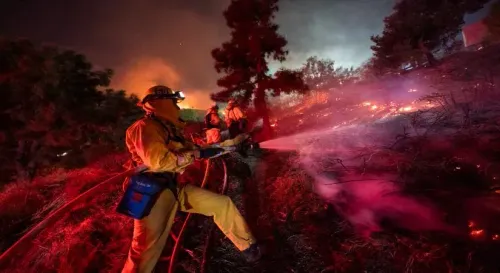
Of the six injured, three were civilians and three were first responders. Approximately 10,000 customers in Washoe County were without power on Sunday. Reno serves as the county seat and most populous city of Washoe County, placing it at the centre of the crisis.
State of Emergency Declared
Nevada Governor Joe Lombardo declared a state of emergency for Washoe County on Saturday night, mobilising state resources alongside local authorities and first responders. In an official statement, Lombardo said: 'This is an active and rapidly evolving situation, and I urge everyone in the affected areas to remain vigilant and follow the direction of local officials. The state is fully engaged, and we are working alongside local authorities and first responders to deploy every available resource to protect lives, safeguard communities, and keep Nevadans out of harm's way.'
The governor reinforced his warning on Sunday morning, urging residents in affected areas to 'stay vigilant and keep yourself informed.'
Broader Pattern of Western US Wildfires
The Hawk Fire comes weeks after a separate wildfire in Southern California — dubbed the Summit Fire — exploded to nearly 2,700 acres (approximately 10.9 square kilometres) in July, forcing evacuations amid a dangerous heat wave. That blaze was reported near Llano, a small community near the Los Angeles and San Bernardino county line, and was also zero percent contained as of Saturday morning, according to the California Department of Forestry and Fire Protection. This is the second major wildfire emergency in the western United States within weeks, underscoring the region's escalating fire season risk driven by prolonged drought and extreme heat conditions.
What Comes Next
Containment efforts are ongoing, with wind conditions remaining a critical variable. Residents in evacuation zones are advised to follow official directives and avoid returning until authorities issue the all-clear. Fire officials have not yet provided a timeline for containment.
Point of View
Fast-moving western US wildfires driven by drought, heat, and wind. What stands out is the speed of spread: 13,000 acres in under 48 hours with zero containment is an extreme fire behaviour metric that emergency planners dread. With 87,000 people in the risk zone and Reno — a mid-sized urban centre — directly in the fire's path, this carries serious urban-wildland interface risk. The state of emergency declaration was necessary, but the harder question is whether Nevada's pre-positioning of resources was adequate, given that the Summit Fire in California just weeks earlier offered a clear warning signal.
NationPress
8 Oct 2026
Frequently Asked Questions
What is the Hawk Fire and where is it burning?
The Hawk Fire is a fast-moving wildfire burning near the Nevada-California border, spreading toward Reno in northwestern Nevada's Washoe County. It ignited on Saturday and had grown to more than 13,000 acres by Sunday, 24 August, with zero containment reported.
How many people have been evacuated due to the Hawk Fire?
At least 42,000 residents have been ordered to evacuate, with an additional 45,000 placed under evacuation warnings, bringing the total population at immediate risk to over 87,000. Several structures have already been destroyed.
Has Nevada declared a state of emergency over the Hawk Fire?
Yes. Nevada Governor Joe Lombardo declared a state of emergency for Washoe County on Saturday night, mobilising state resources to support local authorities and first responders protecting affected communities.
Who has been injured in the Hawk Fire?
At least six people have been injured — three civilians and three first responders. Fire officials confirmed the injuries at a press conference on Sunday; no fatalities have been reported as of the latest update.
How does the Hawk Fire compare to recent wildfires in the region?
The Hawk Fire follows the Summit Fire in Southern California, which burned nearly 2,700 acres near Llano in July and was also zero percent contained at one point. The two fires reflect an intensifying wildfire season across the western United States driven by heat, drought, and wind conditions.