Could the Global HIV Fund Cuts Endanger Prevention and Treatment Programs in Pakistan?
Synopsis
The recent cuts to the global HIV fund are raising alarms about their impact on prevention and treatment programs in Pakistan. With rising infection rates and funding reductions, the future of HIV services hangs in the balance. This situation necessitates immediate attention to avoid a public health crisis.
Key Takeaways
The global HIV fund cuts have reduced Pakistan's funding by $4 million.
Only 21% of people living with HIV in Pakistan know their status.
Community-based organizations are feeling the impact of reduced funding.
Stigma continues to be a barrier to effective HIV treatment and prevention.
Continued outreach and prevention funding is crucial to avert a public health crisis.
Islamabad/New Delhi, Jan 6 (NationPress) The recent reduction in funding from the global HIV fund is having a significant impact on HIV prevention and support initiatives in Pakistan, potentially reversing years of progress, as highlighted by a media report.
While the HIV epidemic in Pakistan is relatively small in comparison to global hotspots, it is among the fastest-growing epidemics in Asia. The funding cuts are expected to have a profound effect on the country, according to Arab News.
For nearly twenty years, the Global Fund to Fight AIDS, Tuberculosis, and Malaria (GFFATM) has been a crucial supporter of Pakistan's HIV programs.
The organization has decreased its total allocation to Pakistan from $250.8 million to $223.6 million under its Grant Cycle 7 (2023-2025), resulting in a $4 million reduction from the national HIV/AIDS budget.
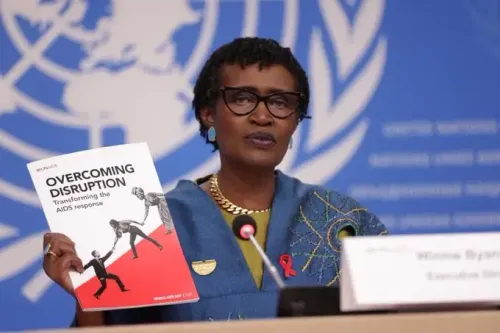
According to the United Nations Development Program (UNDP), which has been the principal recipient of Global Fund financing since 2021, “The funding squeeze has already started to impact outreach services for key populations.”
“Community-based organizations that focus on outreach to crucial population groups are feeling the effects of these cuts,” remarked Richard Cunliffe, GFFATM project manager at UNDP Pakistan, in an interview with Arab News.
The UNAIDS report indicates that low testing rates and the concentration of infections within marginalized communities are contributing to a rise in new HIV cases in Pakistan. Therefore, sustained funding for prevention and outreach is critical to averting a broader public health crisis.
Estimates from the Joint United Nations Program on HIV/AIDS (UNAIDS) suggest that approximately 350,000 individuals are living with HIV in Pakistan. However, only 21 percent of these individuals are aware of their status, and merely 15 percent of those diagnosed are receiving treatment.
The scenario may be more precarious than the official figures indicate.
“When funding cuts occur globally, treatment often takes precedence. However, testing, counseling, prevention, and community services are typically the first to be impacted,” stated Asghar Satti, national coordinator of the Association of People Living with HIV (APLHIV).
“The decline in testing leads to more undiagnosed infections,” Satti explained, presenting a serious public health risk.
Stigma and the lack of consistent public awareness campaigns further complicate the situation.
“HIV and those living with HIV face significant stigma and vulnerability,” Cunliffe noted.
“This disease predominantly affects key population groups that are often stigmatized and criminalized,” he added.
Point of View
I firmly believe that the funding cuts to HIV programs pose a significant threat to public health in Pakistan. The progress we've made over the years is in jeopardy, and immediate action is required to support marginalized communities and ensure comprehensive healthcare is accessible to all.
NationPress
30 Sept 2026
Frequently Asked Questions
What are the current statistics regarding HIV in Pakistan?
Approximately 350,000 individuals are living with HIV in Pakistan, with only 21% aware of their status and 15% receiving treatment.
How have the funding cuts impacted HIV services?
The reductions have led to decreased outreach services for key populations, which could result in a rise in undiagnosed infections.
What role does stigma play in HIV treatment?
Stigma surrounding HIV significantly hampers testing and treatment efforts, making it harder for individuals to seek help and access necessary services.