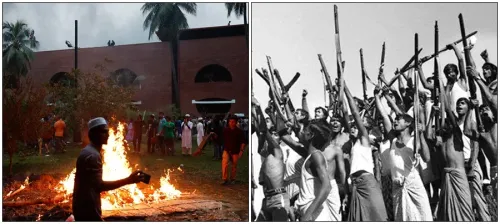
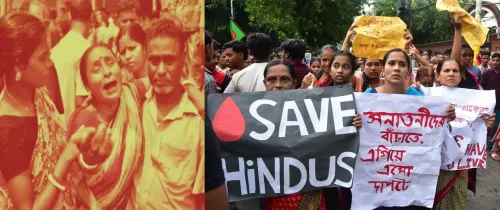
1971 Bangladesh genocide debate: HRWF urges UN to recognise religious persecution of Hindus
Synopsis
Fifty-plus years after the 1971 Bangladesh Liberation War, a Brussels-based rights group is pressing the UN to do something it has never done: formally recognise that Pakistani forces systematically targeted Hindus and other minorities on religious grounds. HRWF argues this is not about relitigating history — it is about preventing the same patterns from repeating today.
Key Takeaways
Human Rights Without Frontiers (HRWF) raised the issue of religious persecution during the 1971 Bangladesh Liberation War at the 62nd session of the UN Human Rights Council on 3 July .
HRWF Director Willy Fautre argued that Hindu communities were disproportionately and systematically targeted on religious grounds by Pakistani forces during the conflict.
The organisation contends that the absence of formal recognition creates 'a fragmented historical narrative' that undermines minority protections today.
Religious minorities in Bangladesh — including Hindus , Buddhists , and Christians — reportedly continue to face land dispossession and communal violence.
HRWF frames genocide recognition not as a symbolic act but as 'a mechanism of prevention' against future identity-based violence.
A Brussels-based human rights organisation has renewed calls at the United Nations to formally recognise the religious dimension of atrocities committed during the 1971 Bangladesh Liberation War, arguing that the systematic persecution of Hindu and other minority communities by Pakistani forces remains insufficiently acknowledged in international discourse. The intervention came during the 62nd session of the UN Human Rights Council, following a statement issued on 3 July by Human Rights Without Frontiers (HRWF).
What HRWF Presented to the UN
HRWF Director Willy Fautre framed the issue not as a matter of retrospective classification alone, but as a live concern for present-day religious freedom. According to reports, Fautre argued that accountability for historical atrocities is inseparable from the protection of rights today — a position gaining traction within global governance circles.
The organisation noted that Hindu communities were disproportionately targeted during the 1971 conflict, persecuted on the basis of their religious identity rather than solely their political affiliations. HRWF contends that the absence of formal recognition has produced what it calls 'a fragmented historical narrative', leaving minority experiences vulnerable to being overlooked.
The Argument for Formal Recognition
According to the HRWF statement, recognition in this context 'is not simply symbolic. It functions as a mechanism of prevention. By formally acknowledging that the violence of 1971 included systematic persecution on religious grounds, the international community would reinforce norms against identity-based violence.'
The organisation further argued that formal acknowledgement 'would send a clear signal that such crimes — whether past or present — will not be overlooked or minimised.' Notably, this is not the first time the question of genocide recognition has been raised at international forums, but its re-emergence at the UN Human Rights Council reflects a broader shift in global human rights discourse toward addressing historical injustices that shape present-day vulnerabilities.
Ongoing Challenges for Minorities in Bangladesh
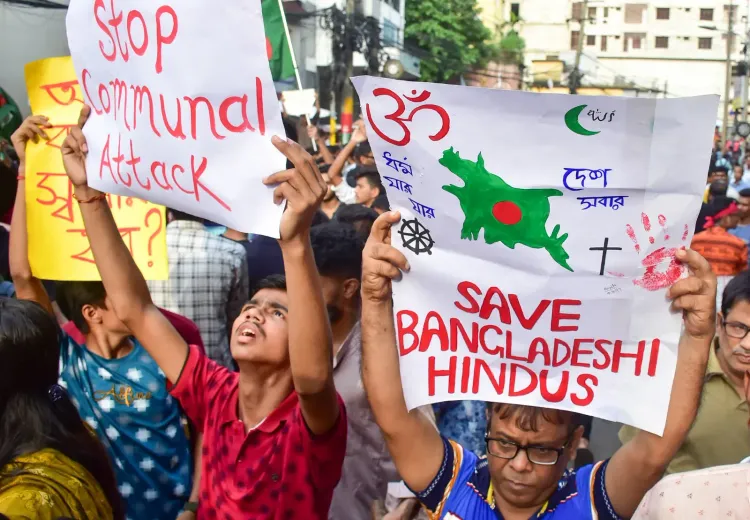
The HRWF report also drew attention to the current situation of religious minorities in Bangladesh, including Hindus, Buddhists, and Christians, who reportedly continue to face persistent challenges ranging from land dispossession to periodic outbreaks of communal violence.
Fautre argued that addressing these present-day vulnerabilities requires confronting their historical roots. The failure to fully recognise the religious dimension of the 1971 atrocities, HRWF contends, undermines efforts to strengthen protections for minority communities today.
The Broader Geopolitical Challenge
The re-emergence of the Bangladesh case at the UN underscores a persistent tension in international relations: reconciling the pursuit of historical justice with prevailing political realities. The debate over whether the 1971 Liberation War killings constitute genocide has remained contested for decades, with Pakistan consistently resisting such classification.
As global debates over historical accountability gain momentum, the HRWF intervention offers what it describes as an opportunity — for the international community to move toward 'a more consistent and principled approach to both memory and prevention.' Recognising the 1971 violence as genocide, the organisation argues, is ultimately about defining the standards by which present and future conduct will be judged. Whether the UN Human Rights Council moves toward any formal position remains to be seen.
Point of View
What precisely does the international community gain by continuing to avoid the word 'genocide'? The answer is largely political — and that gap between principle and practice is exactly what organisations like HRWF exist to expose.
NationPress
10 Oct 2026
Frequently Asked Questions
What did HRWF present to the UN regarding the 1971 Bangladesh Liberation War?
Human Rights Without Frontiers (HRWF) issued a statement on 3 July calling on the UN Human Rights Council to formally recognise that Pakistani forces systematically persecuted Hindu and other minority communities on religious grounds during the 1971 Bangladesh Liberation War. HRWF Director Willy Fautre argued this recognition is essential for preventing present-day identity-based violence.
Why does HRWF say formal recognition of the 1971 atrocities matters today?
HRWF argues that the absence of formal recognition leaves a fragmented historical narrative that undermines protections for minority communities in Bangladesh today. The organisation contends that acknowledging the religious dimension of the 1971 violence reinforces international norms against identity-based persecution and serves as a mechanism of prevention.
Which minority communities in Bangladesh does HRWF say remain at risk?
According to HRWF, religious minorities in Bangladesh — including Hindus, Buddhists, and Christians — continue to face persistent challenges such as land dispossession and periodic communal violence. The organisation links these present-day vulnerabilities to the unresolved historical legacy of 1971.
Has the 1971 Bangladesh Liberation War been recognised as genocide internationally?
The question of formally classifying the 1971 killings as genocide remains contested internationally. Pakistan has consistently resisted such classification. While the debate has surfaced periodically at international forums, no binding UN recognition has been issued, and the HRWF statement at the 62nd session of the UN Human Rights Council represents the latest effort to revive the issue.
What is Human Rights Without Frontiers (HRWF)?
Human Rights Without Frontiers (HRWF) is a Brussels-based international human rights organisation. It monitors religious freedom and minority rights globally and engages with UN bodies including the Human Rights Council to advocate for formal accountability on issues of persecution and identity-based violence.