ICJ finds Myanmar guilty of Rohingya genocide; Sheikh Hasina hails verdict
Synopsis
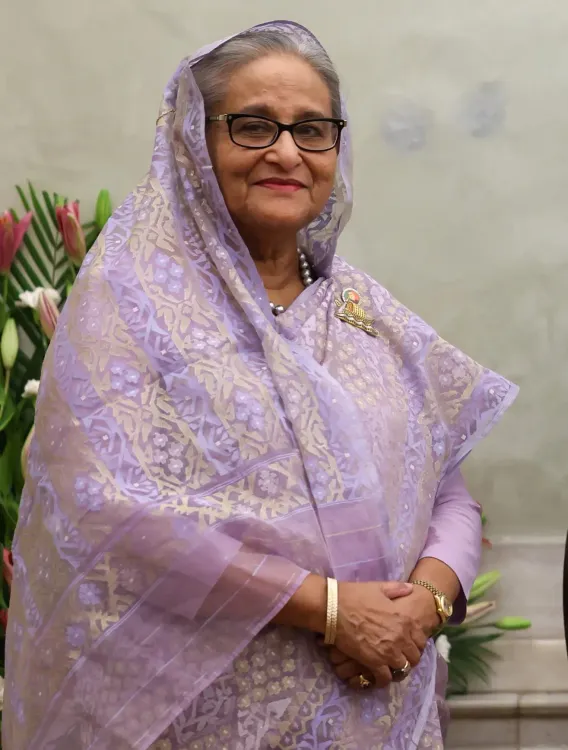
The ICJ has formally found Myanmar responsible for genocide against the Rohingya — a verdict nearly seven years in the making. Former Bangladesh PM Sheikh Hasina, who sheltered close to a million refugees and helped build the OIC's legal case, called it a proud moment for Bangladesh, even as she delivered a pointed critique of the country's current political direction.
Key Takeaways
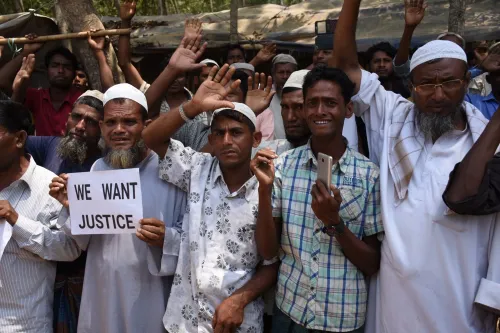
The ICJ ruled on 20 November 2026 that Myanmar is responsible for genocide against the Rohingya in northern Rakhine State during the 2017 clearance operations .
The case — The Gambia v.
Myanmar — was filed on 11 November 2019 by The Gambia on behalf of the 57-member OIC .
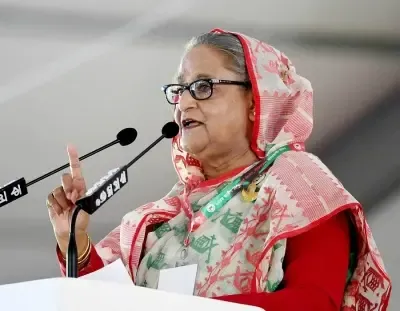
Former Bangladesh PM Sheikh Hasina welcomed the verdict and urged all UN member states to ensure Myanmar respects the ruling.
Bangladesh hosted close to 1 million Rohingya refugees since 2017 and played a central role in gathering evidence for the case.
A parallel ICC arrest warrant for crimes against humanity was issued in 2024 , following a referral by Bangladesh under Hasina's tenure.
Hasina separately criticised the current Bangladesh government over alleged human rights abuses and political persecution.
The International Court of Justice (ICJ) on 20 November 2026 delivered a landmark ruling in the case The Gambia v. Myanmar, finding Myanmar responsible for committing genocide against the Rohingya community in northern Rakhine State during the 2017 clearance operations — a violation of obligations under the Convention on the Prevention and Punishment of the Crime of Genocide. Former Bangladesh Prime Minister Sheikh Hasina welcomed the judgment and called on all UN member states to ensure Myanmar respects it.
The ICJ Ruling Explained
The case was originally filed on 11 November 2019 by The Gambia, acting on behalf of the 57-member Organisation of Islamic Cooperation (OIC), which alleged that Myanmar had failed to prevent and punish acts of genocide against the Rohingya as required under the Genocide Convention. Thursday's verdict, with 11 states intervening, marks the culmination of a nearly seven-year legal battle at the world's highest court for the resolution of inter-state disputes.
The ruling constitutes a binding declaration of state responsibility — a significant step in international humanitarian law, even as enforcement mechanisms at the ICJ remain limited to diplomatic and political pressure through the UN Security Council.
Sheikh Hasina's Response
In a formal statement, Hasina said: 'I am pleased that the ICJ has today issued its Judgement in The Gambia v Myanmar case, finding Myanmar responsible for genocide against the Rohingya minority. This is an important step forward for international justice and the return of the Rohingya to their homes in Rakhine State. I call upon all UN Member States to uphold this Judgment and ensure that it is respected by Myanmar.'
Hasina also highlighted Bangladesh's role in the case, noting that during her tenure as Prime Minister, the country had sheltered close to 1 million Rohingya refugees who fled Myanmar during the 2017 ethnic cleansing operations. She added that she had directed her counsel, Professor Payam Akhavan, to pursue a parallel track at the International Criminal Court (ICC) — which led to an arrest warrant being issued in 2024 for crimes against humanity.
Bangladesh's Central Role in the Case
According to Hasina, Bangladesh played a pivotal part in investigations by facilitating the gathering of evidence from witnesses and survivors located in refugee camps on its soil. She further stated that she had worked within the OIC framework to secure the necessary diplomatic and financial backing for The Gambia to bring the case before the ICJ.
'Those efforts have now come to a successful conclusion. This is a proud moment for Bangladesh. I remain committed to supporting the cause of international justice,' she said.
A Sharp Critique of Current Bangladesh
Hasina used the occasion to sharply criticise the political climate in Bangladesh since her departure from office. 'It is unfortunate that from its position of leadership on these issues, Bangladesh today is mired in human rights abuses and political persecution, chaos and decline,' she said, without naming specific actors or incidents.
She expressed hope that Bangladesh would recover and resume its role as a constructive voice in multilateral forums, contributing to 'building a stronger UN and global governance in betterment of humankind's future.'
What Comes Next
While the ICJ ruling establishes Myanmar's legal responsibility, enforcement remains a challenge. Myanmar's military government — which has been under international sanctions — has historically resisted ICJ oversight. Rights groups and the OIC are expected to push for the UN Security Council to take action, though a veto by any permanent member could stall enforcement. The ICJ verdict, however, strengthens the legal foundation for further accountability measures, including future reparations claims and expanded ICC proceedings.
Point of View
But enforcement is where the story will be won or lost — and that remains deeply uncertain. Myanmar's military junta has shown no inclination to cooperate with international legal processes, and a Security Council referral for enforcement could be vetoed by China or Russia. What the ruling does achieve is a legally authoritative record of state responsibility, which strengthens the hand of ICC prosecutors and future reparations claimants. Sheikh Hasina's statement, while legally and diplomatically substantive, also carries unmistakable political subtext: she is positioning herself as the architect of a historic justice victory while casting her successors as a retreat from Bangladesh's global standing — a framing that deserves scrutiny as much as the judgment itself.
NationPress
20 Nov 2026
Frequently Asked Questions
What did the ICJ rule in The Gambia v. Myanmar case?
The ICJ found Myanmar responsible for committing genocide against the Rohingya minority in northern Rakhine State during the 2017 clearance operations, in violation of the Genocide Convention. The ruling is binding but enforcement depends on broader UN and diplomatic mechanisms.
Who filed the case against Myanmar at the ICJ and when?
The Gambia filed the case on 11 November 2019 on behalf of the 57-member Organisation of Islamic Cooperation, alleging Myanmar failed to prevent and punish genocide against the Rohingya. Eleven additional states intervened in the proceedings.
What role did Bangladesh play in the ICJ case?
Bangladesh hosted close to one million Rohingya refugees since 2017 and facilitated investigations by gathering evidence from witnesses and survivors in refugee camps. Former PM Sheikh Hasina also worked within the OIC to secure diplomatic and financial support for The Gambia's case.
What is the significance of the 2024 ICC arrest warrant mentioned by Hasina?
In 2024, the International Criminal Court issued an arrest warrant for crimes against humanity related to the Rohingya crisis, following a referral initiated by Bangladesh under Hasina's tenure through her counsel Professor Payam Akhavan, based on Bangladesh's ICC jurisdiction. This runs parallel to, but separately from, the ICJ's state responsibility ruling.
Can the ICJ ruling force Myanmar to act?
The ICJ ruling is legally binding on Myanmar, but the court has no independent enforcement mechanism. Enforcement would require UN Security Council action, which could be blocked by a veto from permanent members sympathetic to Myanmar. Rights groups are expected to press for multilateral diplomatic and sanctions pressure.