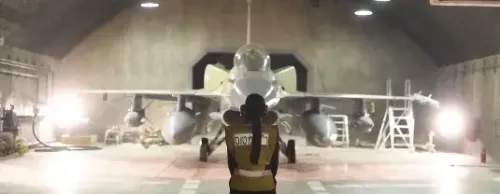
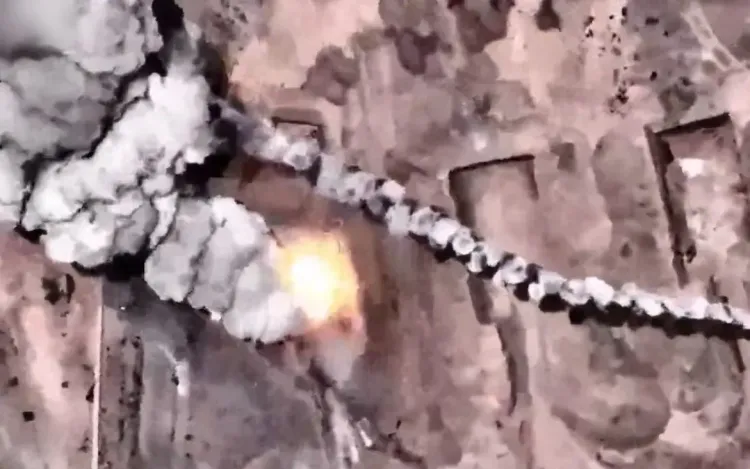
Israel releases IDF footage of strikes on Iran missile storage in Maheshwar
Synopsis
Israel released footage of a strike on an Iranian missile storage facility in Maheshwar, southwestern Iran, as part of Operation Harry's Roar — the most serious escalation since an April ceasefire. Dozens of warplanes were involved, secondary explosions confirmed missiles were present, and the strikes also hit a petrochemical complex linked to Iran's ballistic missile programme.
Key Takeaways
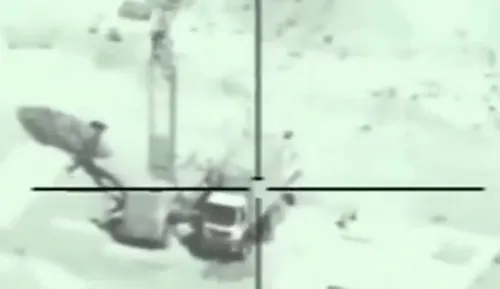
The IDF released footage on 8 June of strikes on a missile storage facility in Maheshwar , southwestern Iran .
Secondary explosions confirmed that missiles were present in launchers at the time of the attack, according to the Israeli Defence Ministry .
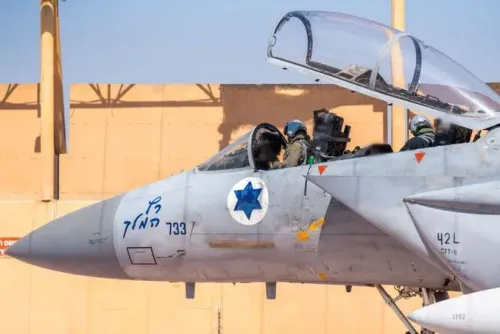
Dozens of Israeli Air Force warplanes took part in the large-scale operation.
The strikes also targeted a petrochemical complex used to produce raw materials for ballistic missiles .
The escalation follows Israeli airstrikes in Beirut on Sunday that killed at least two people , and an Iranian missile barrage in response.
The attack is part of Operation Harry's Roar , the most serious flare-up since the April ceasefire .
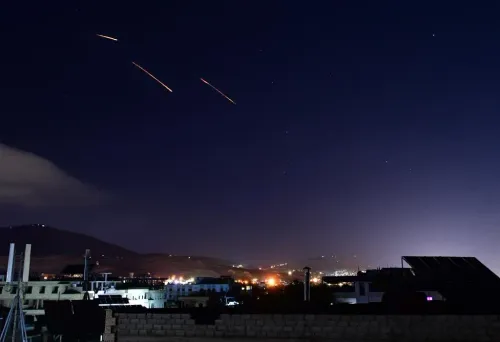
The Israel Defence Forces (IDF) on Monday, 8 June released footage of a strike on an Iranian facility in Maheshwar, southwestern Iran, which the military claimed stored missiles designed to target aircraft. The attack forms part of Operation Harry's Roar, a sustained Israeli campaign against Iranian military infrastructure, and marks the most serious escalation between the two countries since an April ceasefire.
What the IDF Said
'The IDF is now publishing colour documentation of the destruction of one of the systems, which stored missiles intended to hit aircraft. After the attack, secondary explosions were detected indicating that the missiles were in the launcher,' read a statement issued by the Israeli Defence Ministry.
The ministry added: 'The destruction of the systems further expands the Air Force's air superiority over Iranian skies, with the aim of continuing to remove threats to the citizens of the State of Israel.'
Petrochemical Complex Targeted
According to the IDF, the Israeli Air Force, acting under precise guidance from the Intelligence Directorate, struck several infrastructures within a petrochemical complex in Maheshwar on Monday morning. The military said the targeted sites were used by Iranian armed forces to produce and export raw materials for weapons.
'The attacked infrastructure produced unique materials that serve as essential components for the development of ballistic missiles, which pose a direct threat to the State of Israel and its citizens,' the IDF stated. The strikes, it added, targeted 'critical components of the existing production infrastructure at the complex for the Iranian terrorist regime's missile programme.'
Large-Scale Air Operation
Dozens of Israeli Air Force warplanes took part in the operation, the military confirmed. The strikes also targeted strategic air defence systems that had reportedly been dismantled during a US-Israeli attack launched on 28 February and had since been redeployed across Iran as part of Tehran's efforts to restore its detection and defence capabilities.
Notably, this was not an isolated strike — the IDF said Monday's attack joins several previous operations carried out against the same compound under Operation Harry's Roar.
Regional Context and Escalation
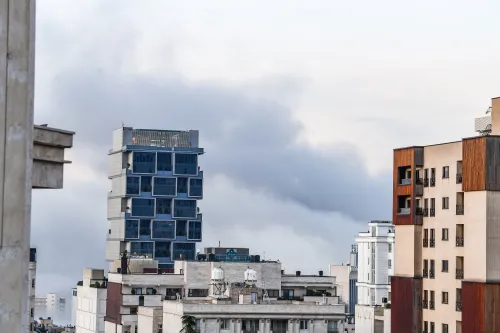
The strikes came amid ongoing US-Iran diplomatic talks and followed Israeli airstrikes in Beirut, Lebanon, on Sunday that reportedly killed at least two people. Iran responded with a barrage of missiles, and Israel retaliated early Monday with strikes targeting sites in western and central Iran — a rapid cycle of action and counter-action that has alarmed regional observers.
This comes amid a broader pattern of Israeli operations aimed at degrading Iranian missile production and air defence capabilities, with Monday's strikes representing a significant escalation in both scale and stated objective. The release of footage is itself a deliberate signal, underscoring Israel's intent to project deterrence publicly.
What Comes Next
With US-Iran talks ongoing, the timing of Monday's strikes adds pressure to any diplomatic track. Analysts will be watching whether Iran escalates further or exercises restraint to preserve negotiating space. The international community, including the United Nations, is expected to call for de-escalation.
Point of View
Washington, and its own domestic audience simultaneously. The targeting of a petrochemical complex linked to ballistic missile production, rather than a purely military site, suggests Israel is now applying pressure on Iran's industrial base, not just its deployed assets. The timing — during active US-Iran talks — is deliberate: it limits diplomatic manoeuvre room for both Washington and Tehran. The April ceasefire has effectively collapsed, and the cycle of strikes and counter-strikes now risks outpacing any diplomatic framework meant to contain it.
NationPress
25 Sept 2026
Frequently Asked Questions
What did Israel strike in Iran on 8 June?
Israel struck a missile storage facility in Maheshwar, southwestern Iran, as well as a petrochemical complex used to produce raw materials for ballistic missiles. The IDF said the facility stored missiles intended to target aircraft, and secondary explosions confirmed missiles were present in launchers.
What is Operation Harry's Roar?
Operation Harry's Roar is an ongoing Israeli military campaign targeting Iranian military infrastructure. Monday's strikes in Maheshwar are part of several attacks carried out against the same compound under this operation.
Why did Israel release footage of the strikes?
The IDF released colour footage to publicly document the destruction of the missile storage system and confirm the presence of missiles in launchers via secondary explosions. The release is also a deliberate signal of Israeli air superiority over Iranian skies.
What triggered the latest Israel-Iran escalation?
The escalation followed Israeli airstrikes in Beirut, Lebanon, on Sunday that reportedly killed at least two people. Iran responded with a missile barrage, and Israel retaliated early Monday with strikes on sites in western and central Iran — the most serious flare-up since an April ceasefire.
What is the significance of the petrochemical complex targeted?
According to the IDF, the petrochemical complex in Maheshwar produced unique materials that are essential components for developing ballistic missiles, making it a critical node in Iran's missile production infrastructure. Striking it is aimed at degrading Iran's long-term missile manufacturing capacity.