IMF monitoring Venezuela earthquake impact, weighs recovery support
Synopsis
The IMF has moved to closely monitor Venezuela following a devastating earthquake, expressing sympathy and signalling readiness to assist — but committing to nothing yet. With Venezuela also navigating a fresh debt restructuring, the disaster adds acute pressure to one of the world's most fragile economies, and the Fund's next move will be closely watched.
Key Takeaways
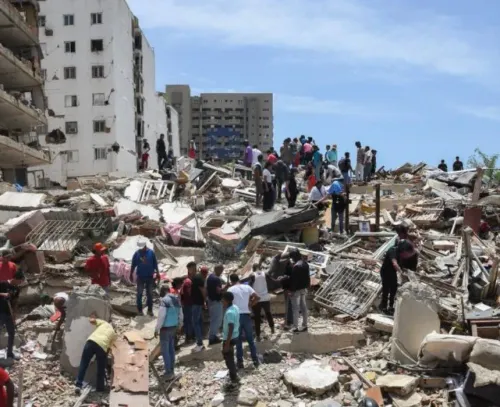
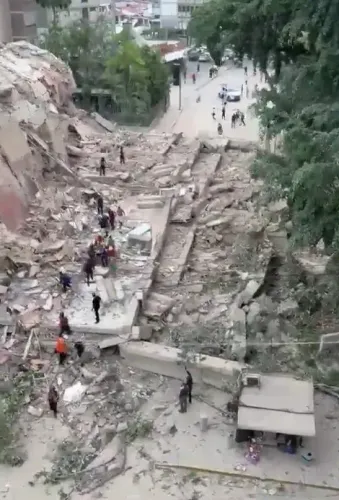
The IMF expressed condolences and confirmed close engagement with Venezuelan authorities following a devastating earthquake on 25 June .
Julie Kozack , IMF Communications Director, said it is too early to determine the scale of any financial assistance.
The IMF said it stands 'ready to assist' once recovery needs are fully assessed.
The Fund confirmed it is not involved in Venezuela's ongoing debt restructuring negotiations between the government and its creditors.
The IMF typically provides macroeconomic frameworks and debt sustainability analyses in restructuring cases, but is never a direct party to creditor negotiations.
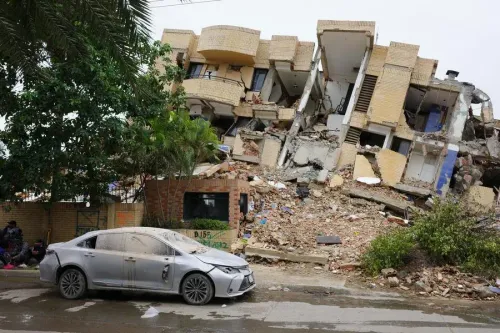
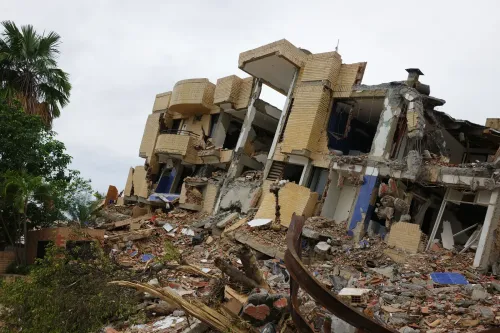
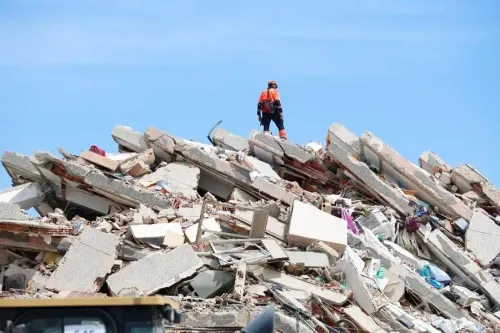
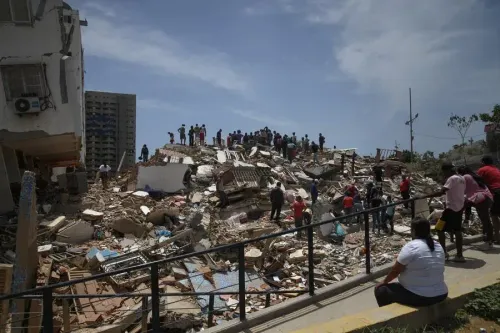
The International Monetary Fund (IMF) on Thursday, 25 June expressed condolences to victims of the devastating earthquake in Venezuela and confirmed it is working closely with Venezuelan authorities to assess the disaster's economic impact and chart a path for recovery assistance. The Fund stopped short of committing specific resources, noting that evaluations remain at an early stage.
What the IMF Said
Julie Kozack, Director of the IMF's Communications Department, made the remarks at a regular press briefing in Washington. 'We're deeply saddened by the impact of the earthquake on Venezuela. We express our deep sympathy to all of those affected, and our thoughts are with the people of Venezuela at this very difficult time for the country,' she said.
Kozack confirmed that the Fund had maintained close contact with Venezuelan officials since the disaster struck. 'We've been closely engaged with the Venezuelan authorities, and we will remain closely engaged with them as they assess the economic impact and the recovery needs for Venezuela,' she added.
Scale of Assistance Still Unclear
When asked whether the IMF would make emergency resources immediately available, Kozack indicated that discussions were still in early stages and that it was too soon to determine the scale of any potential assistance. The Fund said it stood 'ready to assist the authorities as needed' once a clearer picture of recovery needs emerged.
IMF's Role in Venezuela's Debt Restructuring
Separately, Kozack addressed questions about Venezuela's recently announced debt restructuring, clarifying that the IMF was not a party to negotiations between the government and its creditors. 'So far, the Fund has not been involved in the debt restructuring process that has been announced by Venezuela,' she said.
She explained that while debt restructuring often takes place under an IMF-supported programme, this is not always a requirement. 'The IMF is never a party to the negotiations and the discussion,' Kozack noted. Instead, the Fund typically provides a macroeconomic framework and debt sustainability analysis to help determine whether any creditor agreement can restore long-term fiscal stability. 'In this case, it's a bit different,' she said, reiterating the IMF's readiness to assist as the restructuring process unfolds.
Context and What Comes Next
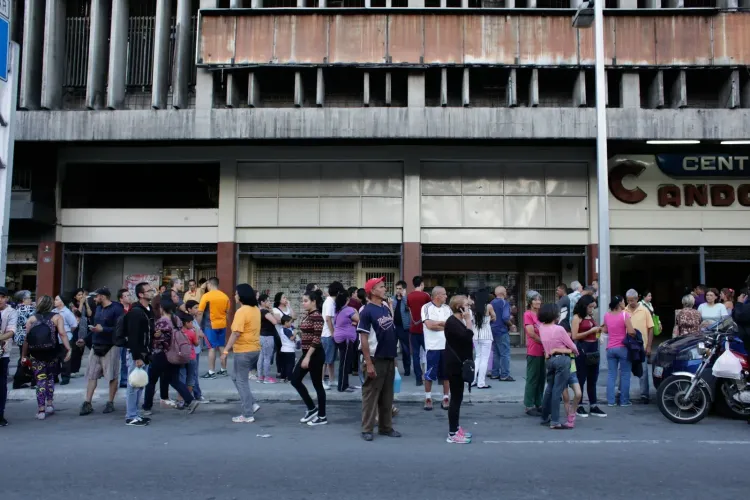
Venezuela has long faced a complex economic crisis, compounded by years of hyperinflation, sanctions, and political instability. A major earthquake adds acute humanitarian pressure to an already strained fiscal environment. The IMF's engagement signals institutional concern, though the absence of a formal programme means any support pathway will require additional negotiation. Observers will watch closely for whether the disaster accelerates a broader IMF re-engagement with Caracas — a relationship that has been limited for years. The next steps hinge on the authorities' own damage and needs assessments, which are still ongoing.
Point of View
Making any re-engagement politically and technically complex. The earthquake creates a humanitarian opening, but the debt restructuring running in parallel complicates the calculus: the Fund cannot easily extend emergency support while a creditor process it has not endorsed is underway. What mainstream coverage misses is that the IMF's readiness to provide a 'macroeconomic framework' for the restructuring — even without being a party — is itself a form of quiet influence that could shape creditor expectations significantly.
NationPress
24 Sept 2026
Frequently Asked Questions
What is the IMF doing after the Venezuela earthquake?
The IMF has expressed condolences and confirmed it is closely engaged with Venezuelan authorities to assess the earthquake's economic impact and recovery needs. However, the Fund has not yet committed specific financial assistance, saying evaluations are still at an early stage.
Will the IMF provide emergency funds to Venezuela?
No decision has been made yet. IMF spokesperson Julie Kozack said on 25 June that it was too early to determine the scale of any assistance, and that the Fund would remain engaged as authorities completed their damage and needs assessments.
Is the IMF involved in Venezuela's debt restructuring?
No. The IMF confirmed it has not been involved in Venezuela's recently announced debt restructuring process. The Fund clarified that it is never a direct party to creditor negotiations, though it can provide macroeconomic frameworks and debt sustainability analyses to inform any agreement.
Who spoke on behalf of the IMF about Venezuela?
Julie Kozack, Director of the IMF's Communications Department, addressed the issue at a regular press briefing in Washington on 25 June, delivering the Fund's official position on both earthquake relief and the debt restructuring question.
Why is Venezuela's situation particularly complex for the IMF?
Venezuela faces overlapping crises — a long-running economic emergency, a fresh debt restructuring, and now earthquake damage. The IMF's limited programme engagement with Venezuela in recent years means any new support pathway would require fresh negotiations and a credible macroeconomic framework, which takes time to establish.