IMF Issues Caution on Energy Subsidies Amid Global Supply Shock

Synopsis
The IMF warns that broad energy subsidies could worsen financial instability as the world faces supply shocks from the Middle East conflict. Instead, they recommend targeted, temporary support measures for vulnerable populations to avoid exacerbating economic pressures.
Key Takeaways
The IMF warns against broad energy subsidies.
Targeted and temporary support measures are recommended.
Fiscal resources are currently constrained due to past interventions.
Excessive government spending can destabilize financial markets.
Current global energy issues stem from supply shortages.
Washington, April 14 (NationPress) The International Monetary Fund (IMF) has advised that governments should steer clear of broad energy subsidies and instead implement targeted and temporary support measures as the global economy faces a new supply shock from the ongoing conflict in the Middle East.
During a press briefing with reporters from India, Japan, the UAE, the Netherlands, and Chile, IMF Chief Economist Pierre-Olivier Gourinchas emphasized the importance of maintaining a cautious fiscal response amidst rising inflation and constrained policy options.
“We have some concerns about this,” Gourinchas remarked, in reference to government initiatives aimed at alleviating the burden on households and businesses through subsidies and price controls.
He acknowledged that such actions are reasonable but cautioned that they could lead to negative repercussions if not implemented with care.
“It’s understandable for governments to seek to protect segments of their population and businesses from external shocks,” he stated.
However, he pointed out that fiscal resources have become increasingly limited following numerous interventions in recent years, including those for the Covid-19 pandemic and previous energy crises.
“Fiscal resources are much more constrained now,” he noted, highlighting the challenge governments face in rebuilding financial buffers while responding to new shocks.
Gourinchas referenced the scale of previous interventions as a warning.
“The fiscal measures in the past were significantly costly, amounting to approximately 2 to 3 percent of GDP,” he explained, adding that this spending was largely funded through deficits and increasing national debt.
“Given the current environment, adding 2 to 3 percent is not advisable,” he cautioned.
He warned that excessive governmental spending could disrupt financial markets.
“This could create a scenario where markets become jittery, leading to rising interest rates and potential financial instability,” he said.
Instead, the IMF advocates for a more measured approach, concentrating assistance on vulnerable populations.
“Support should be highly targeted and temporary,” Gourinchas asserted.
He stressed the necessity of measures that automatically phase out.
“Implement them for three or six months, then let them expire on their own,” he advised.
Another significant concern is the relationship between fiscal and monetary policy during a period of rising inflation.
“If fiscal authorities increase fiscal stimulus, that could exacerbate inflationary pressures,” he remarked, complicating central banks' efforts to maintain price stability.
Gourinchas reiterated that the current shock is fundamentally a supply issue.
“There is an energy shortfall, so the demand must decrease to align with supply,” he stated.
He added that measures that artificially suppress prices do not resolve the underlying imbalance.
“Any attempt to maintain stable prices does not address the root problem,” he concluded.
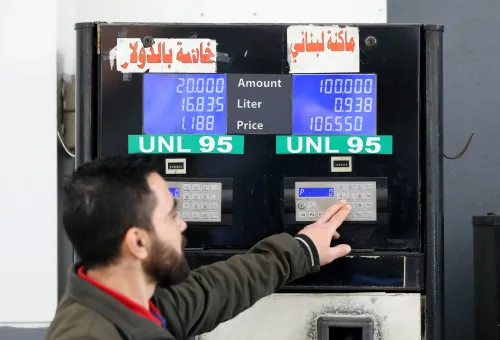
The IMF's warning arrives as several nations contemplate or enact measures to protect consumers from escalating fuel and energy costs linked to the Middle East conflict.
While such policies may seem politically necessary in the short term, they could elevate public debt levels and threaten financial stability if prolonged.
Point of View
It is crucial to recognize that while the IMF's advice promotes fiscal responsibility, governments must also consider the immediate needs of their populations amid economic stressors. A balanced approach is necessary to safeguard both financial stability and public welfare.
NationPress
19 Sept 2026
Frequently Asked Questions
What does the IMF suggest regarding energy subsidies?
The IMF advises against broad energy subsidies and recommends targeted, temporary support measures to assist vulnerable populations.
Why are large-scale subsidies considered risky?
Large-scale subsidies can lead to significant financial instability, increase public debt, and may not effectively address the underlying issues of supply shortages.
What is the current economic situation prompting these warnings?
The ongoing conflict in the Middle East is causing new supply shocks, which are raising inflation and straining fiscal resources globally.
How should governments respond to rising energy costs?
Governments should focus on targeted measures that provide short-term relief without exacerbating long-term financial instability.
What are the implications of excessive government spending?
Excessive spending could lead to nervous financial markets, increased interest rates, and potential instability in the economy.