Why is the Outcry Over Imran Khan's Medical Care Intensifying?
Synopsis
In a passionate press conference, Allama Ali Hasnain Husaini condemned the Pakistani government for its treatment of opposition leaders and highlighted the dire situation regarding Imran Khan's eye condition. The protests continue as tensions rise, igniting concerns over the treatment of political figures in Pakistan.
Key Takeaways
Protests continue against the government’s treatment of opposition leaders.
Access to basic necessities for leaders has been denied.
Imran Khan's health condition is a major concern.
History serves as a warning against oppressive governance.
Public sentiment is growing against the current administration.
Quetta, Feb 16 (NationPress) Allama Ali Hasnain Husaini, a provincial leader of Majlis Wahdat-i-Mulimeen (MWM), criticized the Pakistani government for its inadequate response to peaceful demonstrations led by prominent opposition figures. He emphasized that the authorities would be held fully accountable if any harm befell the protesters, according to local media reports on Monday.
Husaini condemned the lack of access to food, water, and essential medications for Senate Opposition Leader Allama Raja Nasir Abbas Jafri and National Assembly Opposition Leader Mahmood Khan Achakzai, labeling it as an undemocratic and inhumane act, as reported by Pakistan's leading daily, Dawn.
During a press conference, Husaini noted that basic necessities had been denied to senior political leaders for three consecutive days and highlighted the health risks faced by Raja Nasir Abbas Jafri.
He remarked that Allama Raja Nasir Abbas Jafri is engaged in a peaceful struggle while battling diabetes, insisting that uninterrupted access to his medications is a fundamental human right.
Husaini warned that the government would bear full responsibility if any leaders suffered harm due to these restrictions, as noted by Dawn.
He described the government's actions in Islamabad as incompetent and announced that protests against these measures, particularly in Balochistan, would persist.
He stated, “History does not forgive oppressive rulers,” adding that the current inhumane measures would have repercussions.
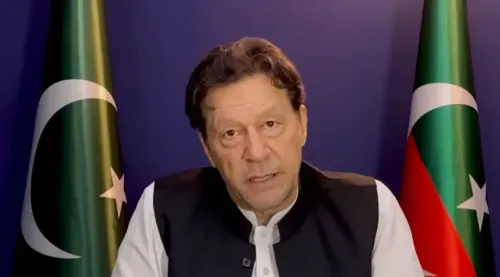
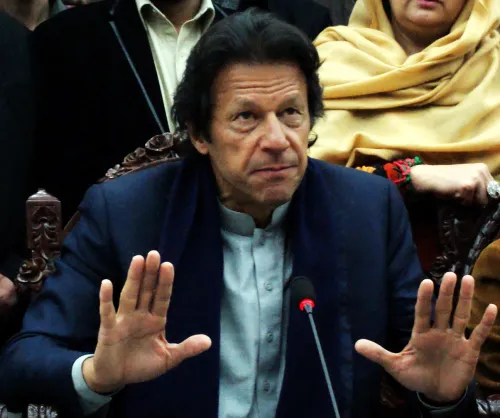
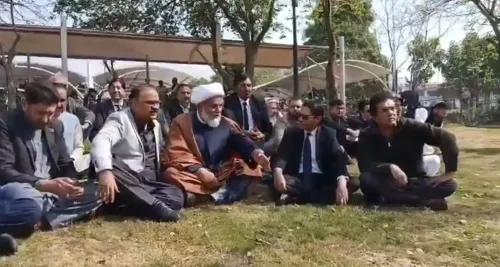
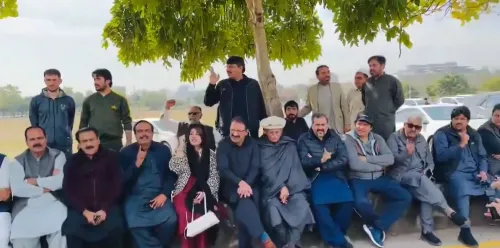
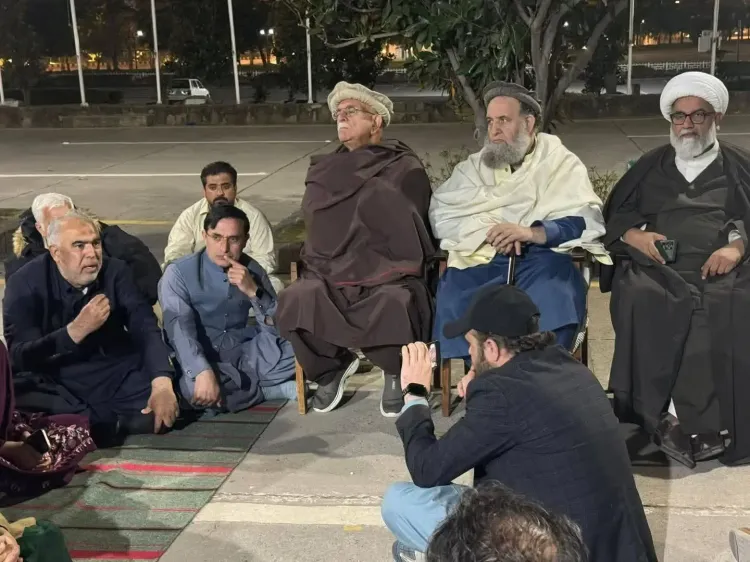
Opposition lawmakers have continued their sit-in outside the Parliament House and the Khyber Pakhtunkhwa House for a third day, demanding that Pakistan Tehreek-e-Insaf (PTI) founder Imran Khan receive medical treatment for his eye condition.
The protests, which began on Friday, have continued despite government assurances, as reported by another leading daily, The Express Tribune.
Lawmakers, led by Mahmood Khan Achakzai and Allama Nasir Abbas, declared that the sit-in would remain until Khan was taken for specialist care.
Protesters have cited reports indicating that his right-eye vision has deteriorated and have called for treatment to occur in the presence of his family and personal doctors.
Police have erected barbed wire and blocked access routes to the Khyber Pakhtunkhwa House, preventing media personnel from entering the protest areas. Protesters have claimed that basic necessities such as food and water have been restricted for lawmakers inside the Parliament House.
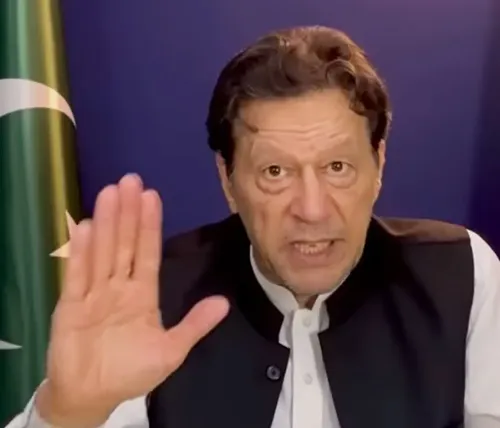
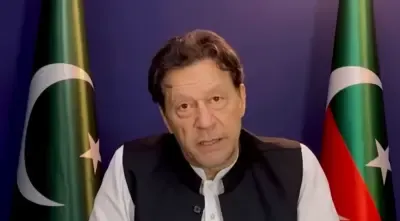
In a medical report submitted to the Supreme Court, Imran Khan stated that he has only 15 percent vision left in his right eye.
A detailed seven-page report submitted by PTI lawyer Salman Safdar to the Supreme Court concerning his visit to Adiala Jail indicated, “According to the Petitioner (Imran), he was diagnosed with a blood clot that caused severe damage, and despite the treatment administered [including an injection], he has been left with only 15 percent vision in his right eye.”
The court appointed Safdar as amicus curiae (friend of the court), directing him to meet Imran Khan and submit a report on February 11, as reported by Pakistan's leading Geo News network.
Recently, Imran Khan was taken to the Pakistan Institute of Medical Sciences (PIMS) for an eye procedure, with PTI claiming that neither the party founder's family nor party leadership were informed about his treatment.
Point of View
It is crucial to remain unbiased while addressing the grievances of opposition leaders and the government's responses. The ongoing protests underscore the importance of upholding human rights and the consequences of neglecting the well-being of political figures.
NationPress
20 Sept 2026
Frequently Asked Questions
What are the key issues raised by Allama Ali Hasnain Husaini?
Husaini criticized the government's denial of essential supplies to opposition leaders and emphasized their right to medical treatment.
What condition is Imran Khan facing?
Imran Khan reportedly has only 15 percent vision left in his right eye due to a blood clot.
What actions are being taken by the opposition?
Opposition lawmakers are engaged in sit-ins demanding adequate medical care for Imran Khan.