How are India and Canada Disrupting the Khalistani Extremism Ecosystem?
Synopsis
India and Canada's recent intelligence-sharing agreement marks a pivotal moment in the fight against Khalistani extremism, potentially reshaping the landscape of security cooperation and disrupting operations that have long thrived on transnational anonymity.
Key Takeaways
Real-time intelligence sharing between India and Canada is set to target Khalistani networks effectively.
This collaboration is expected to disrupt funding sources and recruitment processes for Khalistani extremists.
The meeting marks a significant shift from estrangement to security cooperation.
Challenges remain, particularly regarding domestic political dynamics in Canada.
Both nations aim to distinguish between legitimate activism and extremism.
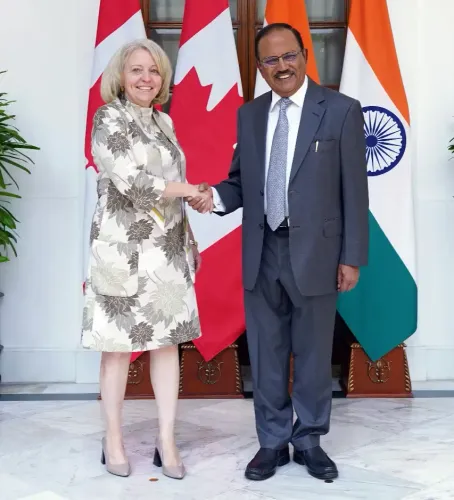
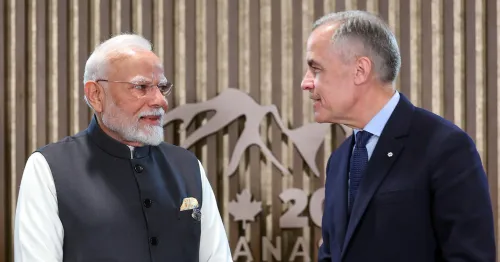
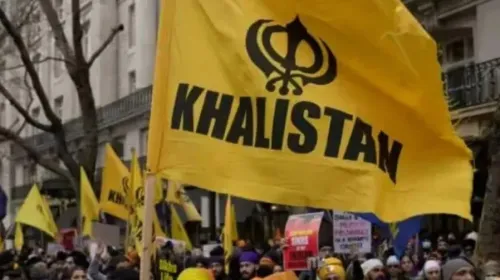
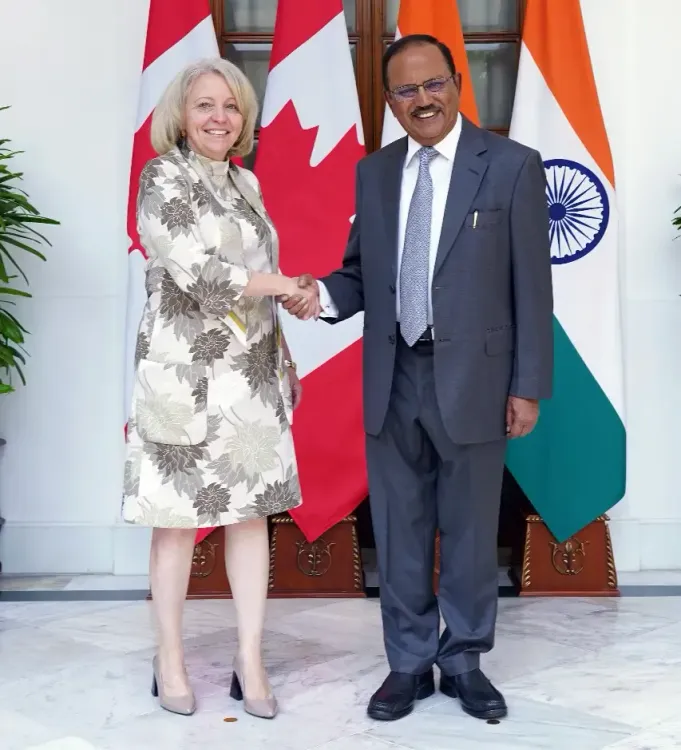
New Delhi: National Security Advisor (NSA) Ajit Doval's recent visit to Canada has occurred at a pivotal moment. With Pakistan's ISI actively trying to resurrect Khalistani militancy in Punjab, this interaction with his Canadian counterpart Nathalie Drouin transcends mere diplomatic gestures – it holds the potential to significantly reshape the transnational framework supporting Khalistani extremism. The meeting, characterized in strategic discussions as "constructive" and "productive", signals a transition from estrangement to enhanced security collaboration. For the Khalistan movement, which has long leveraged Canada as an operational base, this realignment of relations presents considerable hurdles.
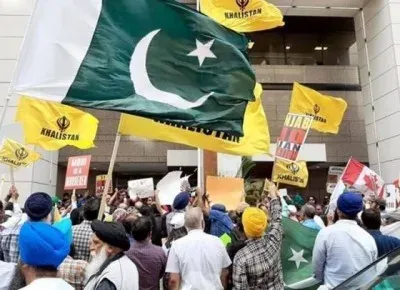
Canada has served as a refuge for the Khalistani network, with orchestrators of targeted killings in Punjab operating from Toronto and Vancouver with little fear of repercussions. Diaspora-driven Khalistani factions have exploited Canadian territory to issue threats against India, coordinate targeted assassinations in Punjab, and maintain drug trafficking networks that smuggle narcotics and arms from Pakistan. The Khalistani extremist-criminal alliance is intricate, with narcotics funding separatist ambitions, all underpinned by Pakistan’s support. The political dynamics within the diaspora and their lobbying in Canada have fostered a climate where security concerns are often sacrificed for electoral gains.
A key outcome of the NSA Doval-Drouin meeting is the commitment to share real-time intelligence across four critical areas - Khalistani extremism, drug trafficking, cyber threats, and cross-border smuggling. This shift from reactive monitoring to proactive intervention aims to dismantle the Khalistani network by pinpointing key operatives, fundraisers, and radicalizers, alongside their financial streams; countering narcotics threats; tracking cyber dangers, including online radicalization; and differentiating between legitimate diaspora concerns and separatist mobilization.
The strategic ramifications are vast, representing a functional approach to disrupt networks that thrive on international anonymity. Intelligence collaboration bridges gaps that previously enabled planning on Canadian soil to be executed in Punjab, posing operational challenges for Khalistani extremists, particularly those in Pakistan. For India, accessing Canadian intelligence in real time could be crucial in taking action against operatives who have evaded justice for years. However, the political will in Ottawa will be vital to ensure this cooperation extends beyond NSA commitments - a critical consideration given the complexities of Canadian domestic politics.
The immediate repercussions of this visit are likely to manifest in several domains.
Real-time intelligence sharing would empower agencies in both Canada and India to track Khalistani operatives, leading to increased surveillance, arrests, and disruptions of networks in both nations, thereby constraining Khalistani activities.
Enhanced oversight will make fundraising and recruitment more perilous, while potential arrests will serve as a deterrent for extremists. The logistical hurdles of transferring funds, arms, and personnel will also increase, and crackdowns on drug trafficking and arms smuggling will disrupt the financial foundation of Khalistani groups, complicating their efforts to revive militancy in Punjab.
The narrative battle will shift as diminished platforms for pro-Khalistan propaganda will not only allow moderate Sikhs to reclaim the narrative but also address Punjab’s pressing issues like drug addiction and unemployment.
Blocking radicalization pathways targeting Sikh diaspora youth could instigate a paradigm shift, revealing how Khalistani networks exploit legitimate grievances.
In the medium term, this may lead to decreased support for militancy among the diaspora. Over the long term, it could weaken Khalistani movements globally, despite the ongoing geographic threat of ISI expansion into the UK, US, and Australia. India has the opportunity to leverage this breakthrough and forge a broader coalition against the transnational Khalistani framework. India anticipates that Canada will differentiate between legitimate diaspora activism and extremist actions that jeopardize bilateral relations. If Canada curbs extremist propaganda, it could restrict the global influence of Khalistani ideology and the recruitment of disaffected youth in Punjab.
The timing of this security reset is crucial, given intelligence reports indicating that the ISI has initiated a significant plan to rejuvenate the Khalistan movement in Punjab. Historically, the Pakistani strategy has relied on exploiting the Sikh diaspora for operational advantages, allowing for plausible deniability while instigating low-intensity conflict through external safe havens. Intelligence sharing directly threatens this model. By eliminating Canadian sanctuaries, India compels the ISI to operate with diminished strategic depth and increased risk, undermining the international aspect of Pakistani hybrid warfare.
A realistic assessment must acknowledge potential obstacles. Canadian electoral politics and diaspora voting considerations may hinder the implementation process. While judicial independence may constrain executive actions, resource allocation remains uncertain. The existing trust deficit could also impact the operationalization of this initiative. Key questions remain: Will this diplomatic reset lead to a tangible degradation of the pro-Khalistani network endangering India's security? Can cooperation withstand electoral cycles? Will the Canadian government resist domestic lobbying from diaspora groups, and will there be administrative support beyond the NSA level?
NSA Doval's visit to Canada was not merely a diplomatic engagement; it was a strategic intervention aimed at dismantling the transnational ecosystem that enables Khalistani extremism. By resetting relations and institutionalizing intelligence cooperation, India and Canada are sending a clear message: Khalistani activities will no longer be tolerated under the guise of diaspora politics. Transforming this diplomatic breakthrough into operational success will necessitate ongoing political commitment from Ottawa and continued intelligence sharing. Short- to medium-term indicators will be arrests, asset freezes, drug seizures, and the deportation of extremists.
For the pro-Khalistani ecosystem, this security alignment between India and Canada signifies a major concern. Their safe havens will diminish, their funding sources are under threat, and their propaganda will face heightened scrutiny. For India, this represents a step towards safeguarding Punjab from attempts to reignite militancy and narco-terrorism. For Canada, it provides an opportunity to disrupt the pro-Khalistani networks that have operated with impunity and reaffirm its commitment to global security standards.
The battle against Khalistani extremism is far from over, but the NSA Doval-Drouin meeting marks a significant turning point. If sustained cooperation follows, it could greatly disrupt the extremist network that has long capitalized on diaspora politics to destabilize Punjab.
(Kanchan Lakshman is a Delhi-based national security analyst. Views expressed are personal)
Point of View
It is essential to underscore that the collaboration between India and Canada in addressing Khalistani extremism is a crucial step toward ensuring national security. This partnership not only aims to disrupt harmful networks but also highlights the importance of international cooperation in combating transnational threats. By fostering a united front, both nations can better protect their interests and uphold democratic values.
NationPress
19 Sept 2026
Frequently Asked Questions
What is the significance of the Doval-Drouin meeting?
The Doval-Drouin meeting signifies a strategic commitment between India and Canada to share intelligence and disrupt Khalistani extremism, addressing a long-standing security concern.
How does this cooperation impact Khalistani operations?
This cooperation is expected to enhance surveillance and disrupt funding and recruitment efforts of Khalistani networks, making it more difficult for them to operate.
What are the potential challenges to this collaboration?
Challenges include Canadian domestic politics, potential trust deficits, and the need for sustained political will beyond initial commitments.