India-Australia cultural repatriation: Artefacts to return, First Nations ancestor repatriated
Synopsis
In a rare mutual cultural exchange, India agreed to repatriate an Australian First Nations ancestor held at the Government Museum of Chennai — while Australia committed to returning artefacts from its national galleries to India. The swap, announced by both prime ministers in Melbourne, signals that the India-Australia partnership is deepening well beyond trade and defence into the more sensitive terrain of heritage and reconciliation.
Key Takeaways
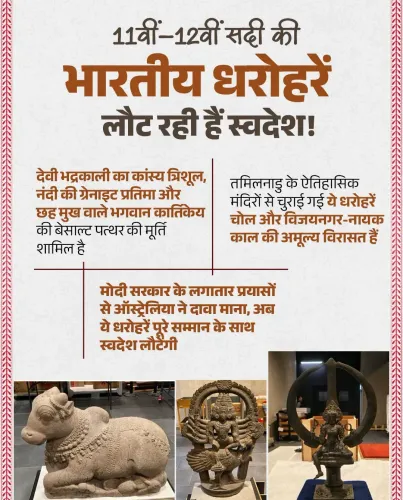
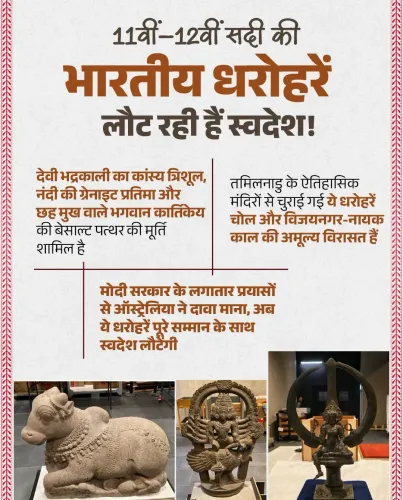
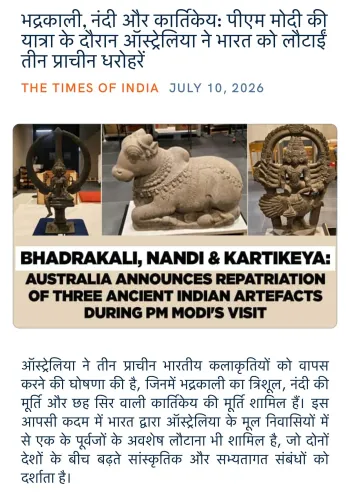
Australian PM Anthony Albanese announced on 9 July that artefacts from the National Gallery of Australia and the Art Gallery of New South Wales will be voluntarily returned to India .
India will repatriate an Australian First Nations ancestor held at the Government Museum of Chennai to their traditional custodians, unconditionally and voluntarily.
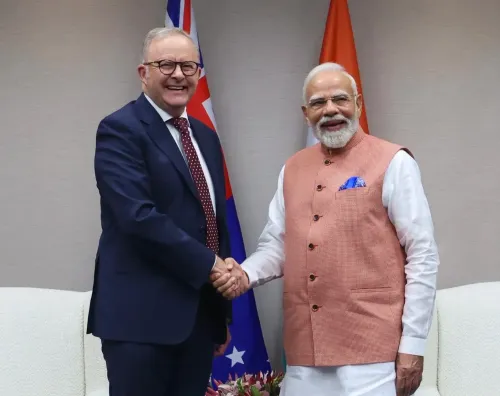
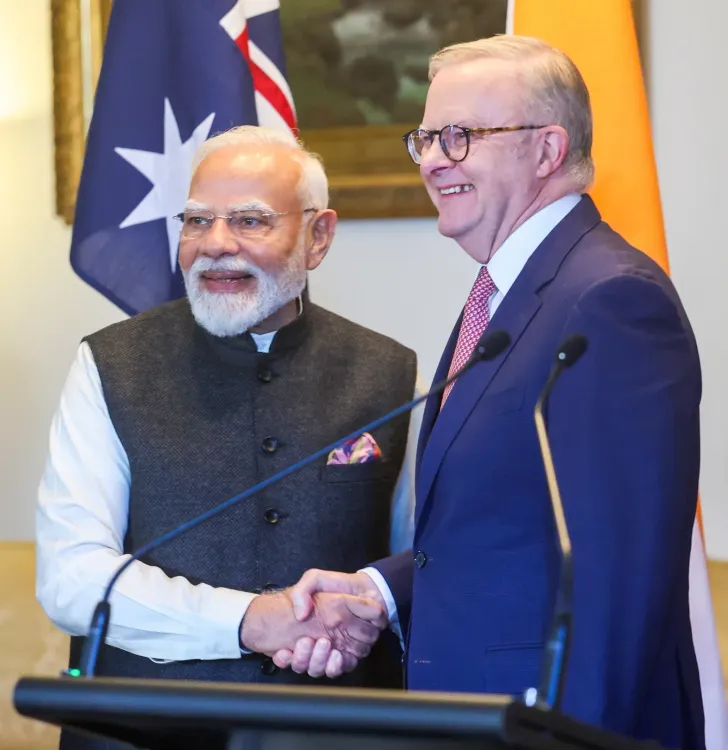
The announcement was made at a joint press conference following delegation-level talks between PM Modi and PM Albanese in Melbourne .
Australian Minister for the Arts Tony Burke and Minister for Indigenous Australians Malarndirri McCarthy both welcomed the development as an expression of shared values.
Timelines for the physical transfers have not yet been disclosed; both governments are expected to formalise the process through their cultural ministries.
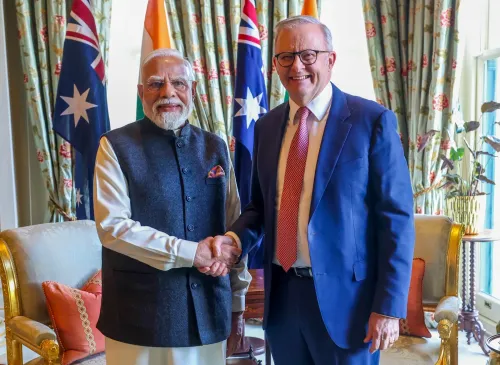
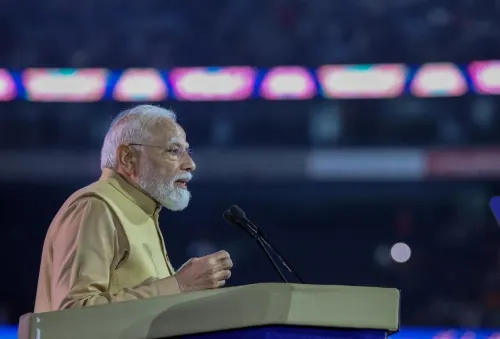
Australian Prime Minister Anthony Albanese on Thursday, 9 July announced that several items of cultural significance to India, currently held in Australian museum collections, will be voluntarily returned to India — even as he welcomed India's decision to repatriate an Australian First Nations ancestor held at the Government Museum of Chennai. The dual announcement came at a joint press conference with Prime Minister Narendra Modi following delegation-level talks in Melbourne.
What Was Announced
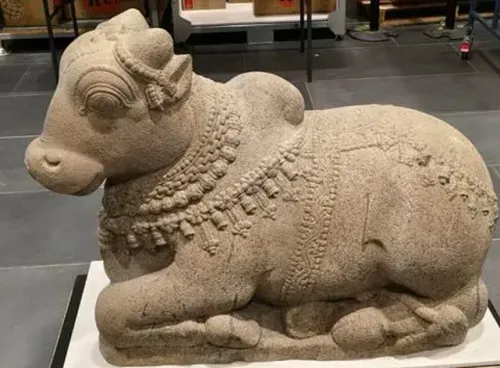
Albanese confirmed that artefacts previously held in the collections of the National Gallery of Australia and the Art Gallery of New South Wales will be voluntarily returned to India. In turn, India will repatriate the remains of an Australian First Nations ancestor from the Government Museum of Chennai to their traditional custodians — unconditionally and voluntarily, according to Albanese.
'In the spirit of friendship, Australia will voluntarily return several items of cultural significance to India, previously held in the collections of the National Gallery of Australia and the Art Gallery of New South Wales,' Albanese said at the joint press conference.
What the Leaders Said
Albanese was effusive in his praise of Modi's decision, framing the repatriation of the First Nations ancestor as an act of healing and reconciliation. 'I welcome progress to repatriate the remains of an Australian First Nations ancestor held in the Government Museum of Chennai. The ancestor will be voluntarily and unconditionally repatriated by India to their traditional custodians,' he said.
He added: 'The repatriation of First Nations ancestor promotes healing, justice, and reconciliation. I commend Prime Minister Modi for the decision to repatriate Australian First Nations ancestor to their Traditional Custodians.'
Albanese also underscored the depth of the bilateral relationship: 'While we are separated by an ocean, we are indeed the closest of friends. Today marks the next year in our partnership, as we are reminded that we need to continue our ongoing work.'
Ministerial Reactions in Australia
Australian Minister for the Arts Tony Burke described the twin moves as a reflection of shared values. 'The repatriation of ancestors and the voluntary return of items of cultural significance are both examples of the values shared between Australia and India,' Burke said.
Australian Minister for Indigenous Australians Malarndirri McCarthy called the development a moment of truth-telling. 'Every repatriation of ancestors from overseas is an act of truth-telling and righting wrongs of the past. I welcome India's repatriation efforts as we continue to work to return First Nations ancestors to their country and their people,' McCarthy said.
Broader Context and Significance
The exchange sits within a wider pattern of India's growing engagement on cultural repatriation — the country has, in recent years, facilitated the return of antiquities to multiple nations, including the United States and United Kingdom. Notably, this is among the first such bilateral cultural exchange with Australia, and it signals a maturing of the India-Australia Comprehensive Strategic Partnership beyond trade and defence.
The repatriation of First Nations remains carries particular weight in the Australian context, where reconciliation with Indigenous communities is an ongoing national priority. India's willingness to participate in that process — voluntarily and without conditions — is being read in Canberra as a significant gesture of goodwill.
What Comes Next
Timelines for the physical transfer of the artefacts and the First Nations ancestor have not yet been made public. Both governments are expected to work through their respective cultural and heritage ministries to formalise the handover process. The Melbourne talks are likely to accelerate the diplomatic groundwork required for these transfers.
Point of View
And India's unconditional cooperation hands Albanese a tangible reconciliation win ahead of any future referendum or treaty debate. For India, this is also a template — using cultural diplomacy to build goodwill that trade negotiations alone cannot generate. The absence of disclosed timelines, however, means the announcements remain political signals for now; the real test is whether the transfers actually happen within a defined window.
NationPress
7 Oct 2026
Frequently Asked Questions
What cultural artefacts is Australia returning to India?
Australia will voluntarily return several items of cultural significance to India that were previously held in the collections of the National Gallery of Australia and the Art Gallery of New South Wales. Specific details of the artefacts have not been publicly disclosed.
What is the First Nations ancestor repatriation announced at the Melbourne talks?
India has agreed to repatriate the remains of an Australian First Nations ancestor currently held at the Government Museum of Chennai to their traditional custodians in Australia. The repatriation will be voluntary and unconditional, according to Australian PM Anthony Albanese.
Why does the repatriation of a First Nations ancestor matter to Australia?
Reconciliation with Indigenous communities is a central political and moral issue in Australia. The return of ancestral remains from overseas is considered an act of truth-telling and justice, and India's willingness to participate unconditionally is seen as a significant gesture of goodwill.
When will the artefacts and ancestor be physically transferred?
Timelines for the physical transfers have not yet been made public. Both governments are expected to work through their cultural and heritage ministries to formalise the handover process following the Melbourne summit.
How does this fit into India's broader cultural repatriation record?
India has in recent years facilitated the return of antiquities to multiple countries including the United States and United Kingdom. The Australia exchange is among the first such bilateral cultural repatriation with Canberra, marking a new dimension in the India-Australia Comprehensive Strategic Partnership.