India-China border trade resumes via Lipulekh, Shipki La, Nathu La: MEA
Synopsis
India and China are moving from diplomatic agreements to ground-level action — border trade through Lipulekh, Shipki La, and Nathu La Pass is now being operationalised, the MEA confirmed. Backed by a flurry of high-level meetings from New Delhi to Manila to Beijing, this is the most concrete economic signal yet that the two countries are serious about normalising ties strained since the 2020 Galwan crisis.
Key Takeaways
The MEA confirmed on 28 July that India and China are implementing the August 2025 agreement to resume border trade.
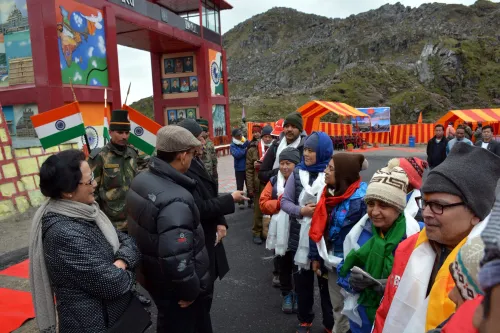
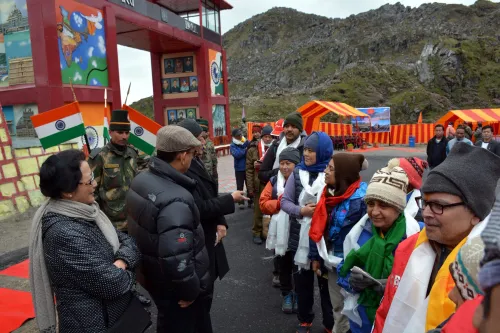
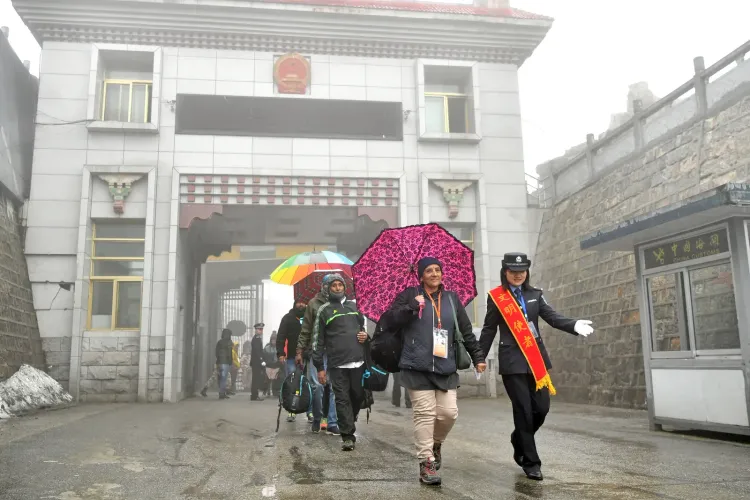
Trade will resume through three designated passes: Lipulekh (Uttarakhand), Shipki La (Himachal Pradesh), and Nathu La (Sikkim).
Foreign Secretary Vikram Misri met China's Vice Minister Hua Chunying in Beijing on Monday, reaffirming border peace commitments.
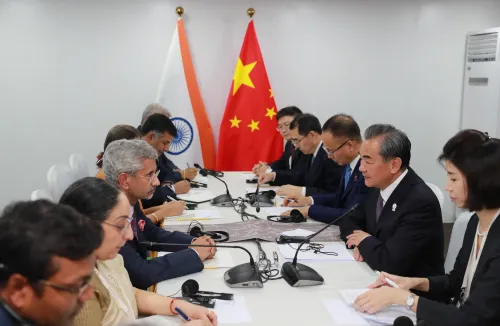
EAM Jaishankar met Wang Yi in Manila last week on the sidelines of ASEAN meetings, calling border peace a 'prerequisite' for normal ties.
The diplomatic push has been ongoing since October 2024 , with multiple high-level engagements between the two sides.
The Ministry of External Affairs (MEA) on Tuesday, 28 July confirmed that India and China are actively implementing their agreed plan to resume border trade through three designated crossing points — Lipulekh Pass, Shipki La Pass, and Nathu La Pass. The move follows a bilateral understanding reached in August 2025 and marks a concrete step in the ongoing normalisation of ties between the two neighbours.
The August 2025 Agreement
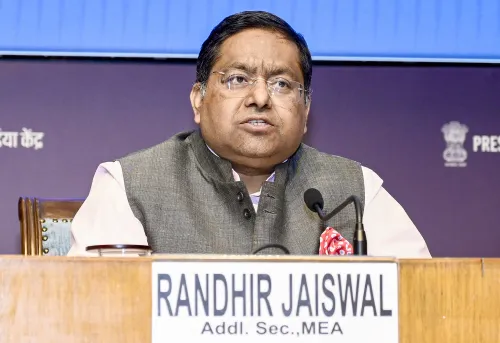
MEA spokesperson Randhir Jaiswal, speaking at the bi-weekly media briefing in New Delhi, traced the decision to a press release issued on 19 August 2025. 'Both sides had agreed that border trade through three designated trading points, namely Lipulekh, Shipki La, and Nathu La Pass would be resumed. It is a decision which was taken at that time, and we had informed you as and when these discussions took place. And now those things are being taken forward,' Jaiswal said.
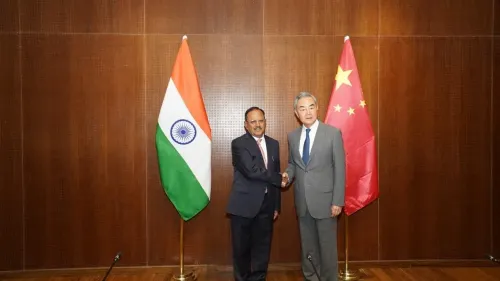
The original agreement was reached during a high-stakes diplomatic visit in which National Security Advisor (NSA) Ajit Doval met Chinese Foreign Minister Wang Yi in New Delhi for a fresh round of Special Representatives (SR) dialogue on the boundary question. During the same visit, Wang Yi held bilateral talks with External Affairs Minister (EAM) S. Jaishankar and called on Prime Minister Narendra Modi.
Recent Diplomatic Momentum
The border trade announcement is backed by an intensifying diplomatic calendar. On Monday, Foreign Secretary Vikram Misri, currently on an official visit to Beijing, called on China's Vice Minister of Foreign Affairs, Hua Chunying. According to a statement posted on X by the Embassy of India in China, the two sides 'reviewed the entire gamut of bilateral relations' and 'discussed means of advancing the vision of the two leaders that India and China are partners and development opportunities for each other, including through mutually beneficial outcomes across trade and economic ties, culture, and people-to-people exchanges.'
The statement added that 'both sides acknowledged the importance of maintaining peace and tranquillity in the India-China border areas.'
Jaishankar's Manila Meeting with Wang Yi
Last week, EAM Jaishankar met Wang Yi in Manila on the sidelines of the ASEAN meetings, where discussions covered bilateral relations, border stability, and key regional and global developments. In his opening remarks, Jaishankar described peace and tranquility in the border areas as a 'prerequisite' for normal ties.
'Peace and tranquility in the border areas is obviously the prerequisite for normal ties. Since October 2024, both sides have engaged to ensure that important objective. This will continue to need our constant attention. Relevant mechanisms in this domain must be given full support and strong encouragement,' Jaishankar said.
Context: A Relationship in Cautious Recovery
The resumption of border trade is the most tangible economic signal yet of a relationship that had been severely strained since the Galwan Valley clash of 2020. Trade through these mountain passes had been suspended as diplomatic and military tensions escalated. The three passes — Lipulekh in Uttarakhand, Shipki La in Himachal Pradesh, and Nathu La in Sikkim — have historically served as vital arteries for cross-border commerce and cultural exchange.
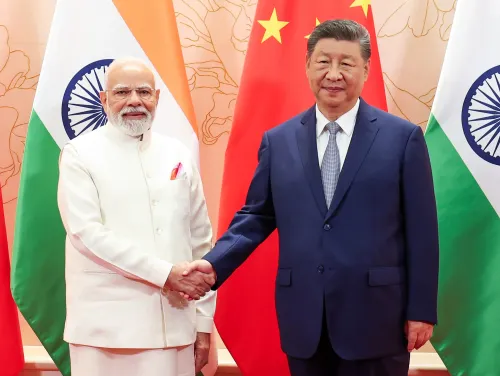
In June, Wang Yi had also called on Prime Minister Modi in New Delhi during the meeting of BRICS National Security Advisers and High Representatives on National Security, further signalling Beijing's intent to stabilise the bilateral relationship. The pace of high-level engagements since October 2024 suggests both capitals have made a deliberate choice to decouple border normalisation from broader geopolitical competition.
The next phase will test whether operational implementation on the ground matches the diplomatic momentum at the top.
Point of View
But the harder question is speed and scale. These passes have been shut for over four years, and local border communities — traders, transporters, and pastoralists on both sides — have borne the cost. The diplomatic calendar is impressively full: Doval-Wang Yi, Jaishankar-Wang Yi in Manila, Misri-Hua Chunying in Beijing, and Modi-Wang Yi in New Delhi. Yet the pattern since 2020 has been that high-level optics have outpaced ground-level change. The real test is whether customs infrastructure, permit systems, and goods lists are updated to reflect the new reality — and how quickly.
NationPress
28 Jul 2026
Frequently Asked Questions
Which border trade points are being reopened between India and China?
India and China are resuming trade through three designated mountain passes: Lipulekh Pass in Uttarakhand, Shipki La Pass in Himachal Pradesh, and Nathu La Pass in Sikkim. These passes had been suspended amid diplomatic and military tensions following the 2020 Galwan Valley clash.
When was the India-China border trade agreement originally reached?
The agreement to resume border trade was reached on 19 August 2025, when NSA Ajit Doval met Chinese Foreign Minister Wang Yi in New Delhi for Special Representatives dialogue. EAM Jaishankar and Wang Yi formalised the understanding during bilateral talks the same day.
What did Foreign Secretary Vikram Misri discuss during his Beijing visit?
Foreign Secretary Vikram Misri met China's Vice Minister of Foreign Affairs Hua Chunying in Beijing, reviewing the full range of bilateral relations. Both sides discussed advancing trade, economic ties, cultural links, and people-to-people exchanges, and acknowledged the importance of maintaining peace and tranquillity along the border.
What did EAM Jaishankar say about India-China ties at the ASEAN sidelines meeting?
At a meeting with Wang Yi in Manila on the sidelines of ASEAN meetings, Jaishankar described peace and tranquillity in the border areas as a 'prerequisite for normal ties.' He noted that both sides had been engaged on this objective since October 2024 and called for full support to relevant border management mechanisms.
Why does the India-China border trade resumption matter?
Border trade through these Himalayan passes had been suspended since the 2020 Galwan crisis, cutting off commerce and people-to-people ties in border communities. Resumption signals a meaningful step in bilateral normalisation and could benefit traders and local economies in Uttarakhand, Himachal Pradesh, and Sikkim.