How is India Responding to the Second Phase of the Gaza Peace Deal?
Synopsis
As the second phase of the Gaza peace deal unfolds, India's recognition of US efforts to resolve the ongoing conflict highlights the international community's engagement. The situation in Gaza presents both challenges and opportunities for reconstruction and peace, while India's humanitarian aid contributions continue to play a significant role.
Key Takeaways
India appreciates US efforts in the Gaza peace process.
Second phase focuses on transitional administration and reconstruction.
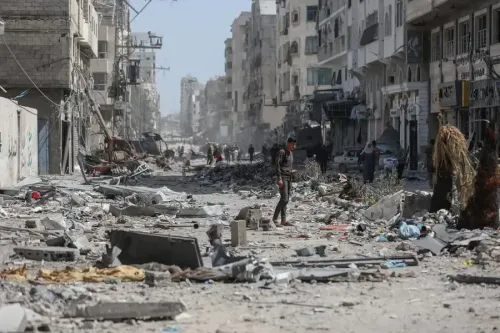
Estimated 60 million tonnes of rubble presents a significant challenge.
India's humanitarian aid totals over $170 million.
Support for a two-state solution remains a priority.
United Nations, Jan 29 (NationPress) As the Gaza peace agreement transitions into its second phase, India has lauded the efforts of the United States in seeking an end to the ongoing conflict.
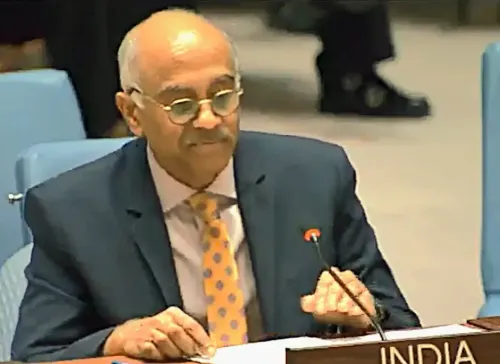
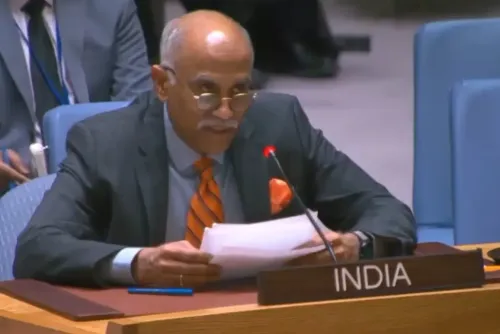
During a Security Council discussion regarding the Middle East situation, India’s Permanent Representative condemned terrorism without specifically naming Hamas, which instigated the Gaza crisis with its assaults on Israel in 2023.
“It is essential to understand that terrorism has no place in civilized societies and deserves condemnation in every form,” he emphasized.
Harish highlighted the advancements made in executing the Council resolution from November concerning Gaza, expressing gratitude towards the United States for addressing this enduring issue.
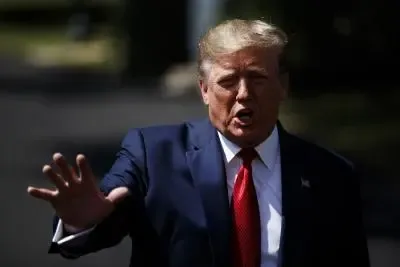
While he refrained from mentioning US President Donald Trump, who has claimed personal credit for the conflict resolution efforts, he acknowledged the ceasefire's relative stability and the commencement of the second phase of the 20-point peace framework. This initiative aims to establish “a transitional technocratic Palestinian administration,” initiate the complete demilitarization of Hamas and similar organizations, and begin Gaza's reconstruction.
“The reconstruction and economic revitalization of Gaza, along with the resumption of public services and humanitarian aid, is an enormous challenge,” he stated, urging international support to fulfill the “aspirations of the Palestinian people.”
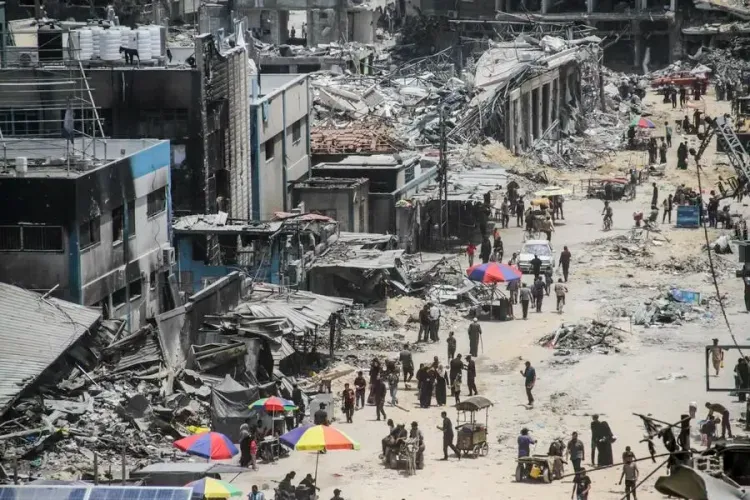
To illustrate the scale of the required efforts, he referenced an estimate from the UN Office for Project Services indicating that approximately 60 million tonnes of rubble remain from the conflict, asserting that “an innovative approach with technological precision is necessary” due to hazardous materials in the debris.
Over the past two years, India has played a role in humanitarian aid, contributing nearly 135 metric tonnes of medical supplies and essentials.
Moreover, ongoing Indian initiatives are valued at $40 million, he noted.
“In total, our support for the Palestinian populace now exceeds $170 million,” he added.
Harish reiterated India’s endorsement of a two-state solution, envisioning an independent Palestine alongside Israel.
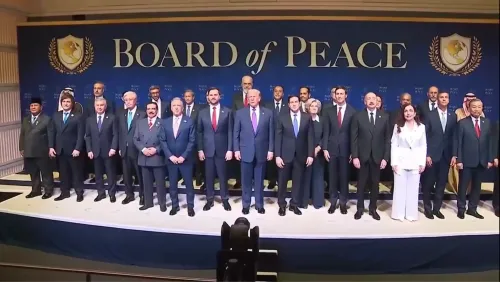
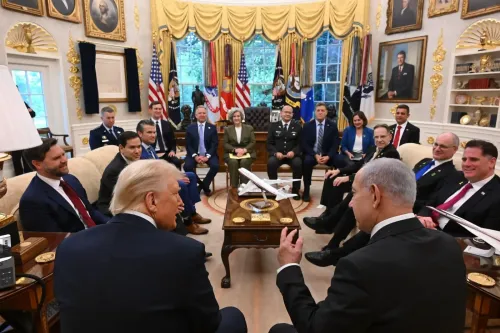
A significant aspect of the Gaza peace agreement is the establishment of the Board of Peace, tasked with executing the phased approach to restoring peace and rebuilding the territory ravaged by Israeli responses to Hamas's aggression.
Trump extended an invitation to India to join the Board, but India has yet to respond.
Trump has since expressed a desire to broaden the Board's role, which is viewed as an attempt to create an alternative to the UN.
Earlier this week, during a Council debate, Harish conveyed his apprehension regarding this development.
“Discussions have shifted towards parallel plurilateral frameworks, some engaging private sector participants, to achieve peace and security outcomes outside the United Nations framework,” he remarked, criticizing the Council's inaction.
UN Deputy Special Coordinator for the Middle East Peace Process, Ramiz Alakbarov, described the announcement of the second phase of the peace agreement as “a crucial step,” stating, “We are presented with a potential turning point for Gaza, offering a real opportunity for a brighter future.”
US Permanent Representative Mike Walz emphasized that the United States “remains steadfastly committed to collaborating closely with Israel, key Arab and Muslim-majority nations, and the global community to provide peace, prosperity, security, and dignity for the region’s inhabitants.”
(Arul Louis can be reached at arul.l@ians.in)
Point of View
It is crucial to recognize the multifaceted nature of the Gaza peace deal. India's supportive role, coupled with the US initiatives, reflects a broader commitment to addressing humanitarian crises. The emphasis on a two-state solution and the need for international collaboration are vital for lasting peace in the region.
NationPress
24 Sept 2026
Frequently Asked Questions
What is the current status of the Gaza peace deal?
The Gaza peace deal has entered its second phase, focusing on creating a transitional Palestinian administration and initiating the reconstruction of Gaza.
How is India involved in the Gaza conflict resolution?
India has commended US efforts in the peace process and has provided significant humanitarian aid to the Palestinian people.
What are the key challenges in Gaza's reconstruction?
The reconstruction of Gaza faces challenges such as 60 million tonnes of rubble and the need for innovative solutions to handle hazardous debris.
What is the role of the Board of Peace?
The Board of Peace is established to implement a phased approach to restore peace and rebuild Gaza following the conflict.
What is the significance of the two-state solution?
The two-state solution aims to establish an independent Palestine alongside Israel, which is viewed as essential for lasting peace in the region.